
Beautiful Plants For Your Interior
Beautiful Plants For Your Interior
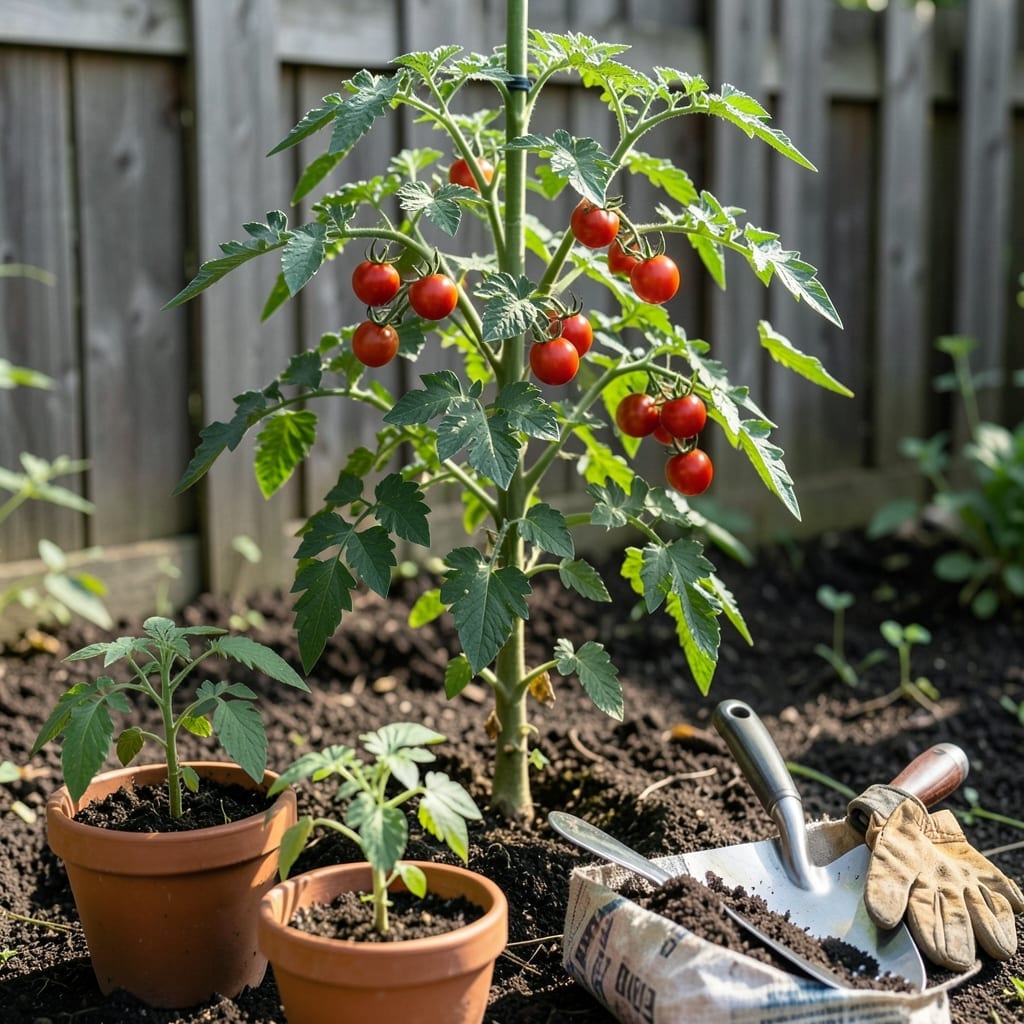
Planning your garden around Zone 6b’s unique climate can mean the difference between a mediocre harvest and a bumper crop. This 2025 schedule helps you time every seed and transplant for peak growth.
I’ve seen firsthand how timing impacts yield, and getting it right transforms your garden. The 🌱 General Vegetable thrives when planted during its ideal window, but many gardeners miss this crucial detail.
This guide breaks down exactly when to start seeds indoors, transplant, and direct sow for maximum success. No more guessing or relying on outdated advice.
Discover how to adjust for microclimates and weather variations that could make or break your season. Let’s get your garden off to its best start yet.

In Zone 6B, your 2025 planting schedule starts with understanding the last frost date—typically around April 15. This is your green light for warm-season crops.
I always mark my calendar for soil temperature checks. 60°F soil is ideal for most seeds, but cool-season veggies tolerate 40-50°F just fine.
| Month | Plant Type | Action |
|---|---|---|
| March | Peas, Spinach | Direct sow outdoors |
| April | Lettuce, Carrots | Direct sow after frost |
| May | Tomatoes, Peppers | Transplant seedlings |
| June | Beans, Cucumbers | Direct sow in warm soil |
| September | Kale, Radishes | Direct sow for fall harvest |
For early starts, I begin tomato seeds indoors 6-8 weeks before the last frost. This gives them a head start for May transplanting.
Succession planting is key in Zone 6B. After harvesting spring lettuce, I immediately sow bush beans for a summer crop.
Don’t forget herbs! Basil and cilantro thrive when planted after the soil warms. I usually wait until mid-May for these.
For fall crops, count backward from your first frost date—around October 15. Broccoli needs 80-100 days, so plant in late July.
I’ve found that mulching helps retain moisture during summer heat. It also suppresses weeds, which compete with your plants for nutrients.
Perennials like asparagus and rhubarb can go in early spring or fall. They’ll establish roots before winter and come back stronger.
Always harden off seedlings before transplanting. I do this by setting them outside for a few hours each day, gradually increasing exposure.
With this 2025 schedule, you’ll maximize your Zone 6B garden like never before. Happy planting! 🌱
In Zone 6B, some plants just thrive better than others. I’ve tested dozens of vegetables, herbs, and flowers to find the real winners for our climate.
Warm-season stars like tomatoes, peppers, and cucumbers need that post-frost warmth to flourish. Cool-season crops such as kale and spinach actually prefer the chill.
Herbs like basil and dill love the heat but hate frost. I plant them after soil reaches 60°F, usually in mid-May.
For flowers, zinnias and marigolds are my go-to annuals. They attract pollinators and bloom all summer when planted after the last frost.
Perennials such as asparagus and rhubarb are long-term investments. Plant them in early spring or fall for best results.
I always include a few fast growers like radishes and lettuce. They’re perfect for filling gaps between slower crops and give quick satisfaction.
With these Zone 6B favorites, you’ll have a productive garden from spring through fall. Happy growing! 🌿