
Beautiful Plants For Your Interior
Beautiful Plants For Your Interior
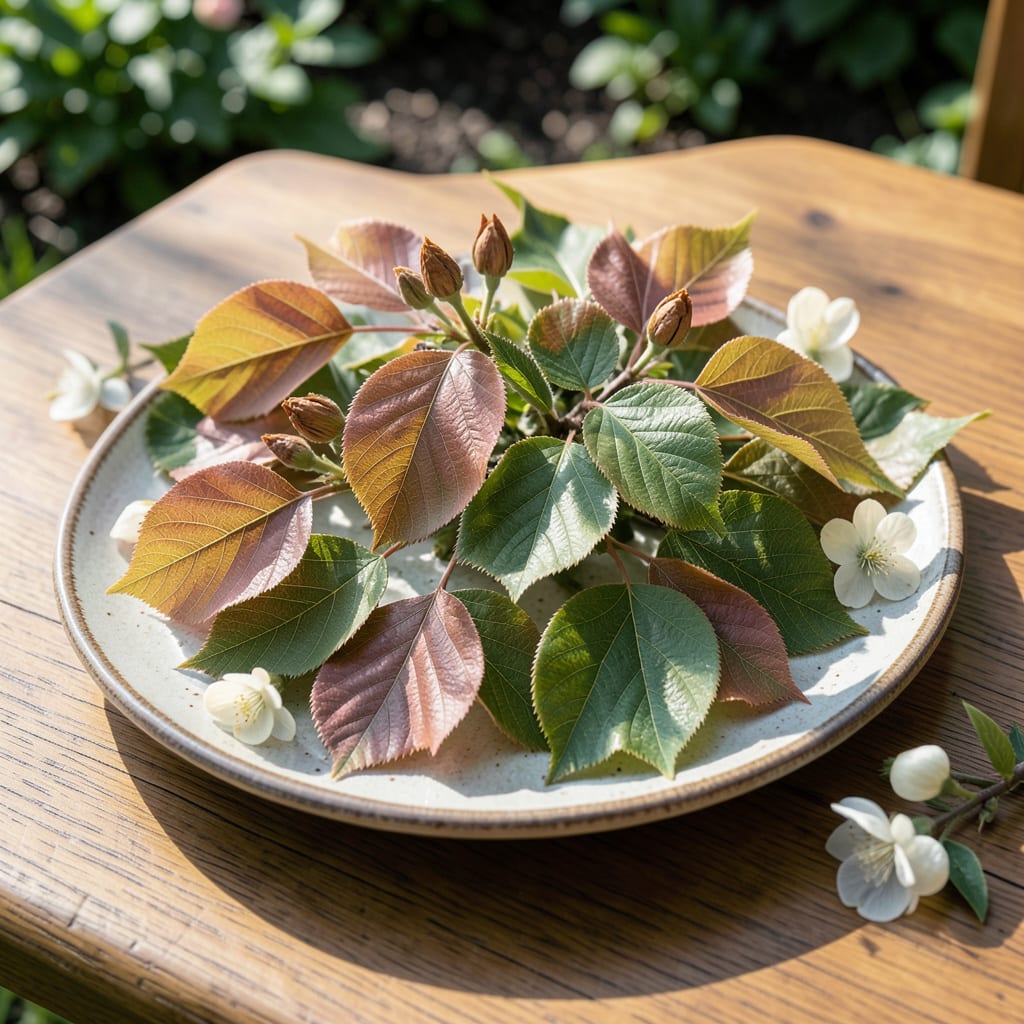
Watching a young walnut tree’s first leaves unfurl is like seeing nature’s blueprint come to life. Those initial bright green shoots tell you everything about its health and future growth potential.
I’ve learned to spot the subtle differences between normal development and early warning signs. The leaves should emerge smooth and vibrant, not spotted or curled. By the third set, you’ll see the classic walnut leaf shape taking form.
📚 In This Guide
Here’s how I track the progress of young walnut trees to ensure they’re growing strong and healthy.
Watch for the first signs of life in early spring when the buds begin to swell. The initial leaves will appear as small, soft, and slightly reddish or bronze in color. This is completely normal for walnut trees during their first flush of growth.
These early leaves will gradually unfurl over 7-10 days in 60-70°F weather. Check daily as the color transitions from red to green—this shift signals healthy chlorophyll development. Don’t be alarmed if some leaves look crinkled at first; they’ll smooth out as they mature.
After the initial flush, look for the first set of true leaves—these will be larger, with the classic walnut leaf shape of 5-9 leaflets arranged in pairs with a single terminal leaflet. They should emerge bright green and feel slightly leathery to the touch.
This stage typically occurs 2-3 weeks after bud break. At this point, the leaves should be 2-4 inches long and show no signs of yellowing or brown edges. If you notice any discoloration, it could indicate nutrient deficiencies or water stress that needs immediate attention.
By mid-summer, the leaves should be fully developed, deep green, and 8-12 inches long. A healthy tree at this stage will have a dense canopy with leaves that feel firm and cool to the touch, even during the hottest part of the day.
Inspect the undersides of the leaves for any signs of pests or disease—healthy leaves will have a uniform texture without spots or webbing. I check weekly during this period, as walnut trees can develop issues quickly in warm weather. The tree should be adding new growth at the tips of branches, with leaves that look vibrant and full.
As summer transitions to fall, watch for the natural yellowing and eventual browning of leaves. This is part of the tree’s preparation for dormancy. In healthy trees, this color change should happen gradually over 4-6 weeks, starting at the edges and moving inward.
Leaves should remain attached until the first hard frost, at which point they’ll drop cleanly. If leaves begin to fall prematurely or develop dark spots before changing color, it may signal stress from drought, disease, or poor soil conditions. I always make notes during this stage to track the tree’s health year over year.
Tracking growth stages becomes easier when you know what to focus on at each phase.
The Temperature Factor: In Step 1, the 60-70°F range is ideal for leaf unfurling. If temperatures dip below this, the process may take longer than the usual 7-10 days, so adjust your expectations accordingly. I’ve noticed warmer days speed up the red-to-green color transition significantly.
What to Watch For: In Step 2, when assessing true leaves, pay special attention to the 5-9 leaflets. If you count fewer, it could indicate stunted growth. Also, leaves shorter than 2-4 inches at this stage might signal the tree needs more water or nutrients.
Mid-Season Inspection: During Step 3, the 8-12 inch leaf length is a key indicator of a thriving tree. If leaves are smaller, check for pests or disease, particularly on the undersides where issues often start. I make it a habit to inspect during the cooler parts of the day when leaves are less stressed.
Yellowing leaves often indicate nutrient deficiencies (like nitrogen) or overwatering. Check soil moisture and fertilize with a balanced tree fertilizer if needed.
Leaves typically reach full size by late spring or early summer, depending on climate. Expect rapid growth in the first 4-6 weeks after budding.
Yes! Young walnut leaves are edible and often used in teas or salads. However, they contain juglone (a natural toxin), so consume in moderation.
Use organic insecticidal soap or neem oil for aphids and mites. Regularly inspect leaves for holes or discoloration and remove infected foliage promptly.
Water deeply 1-2 times per week during dry spells, ensuring the soil stays moist but not soggy. Young trees need consistent hydration for healthy leaf growth.
