
Beautiful Plants For Your Interior
Beautiful Plants For Your Interior
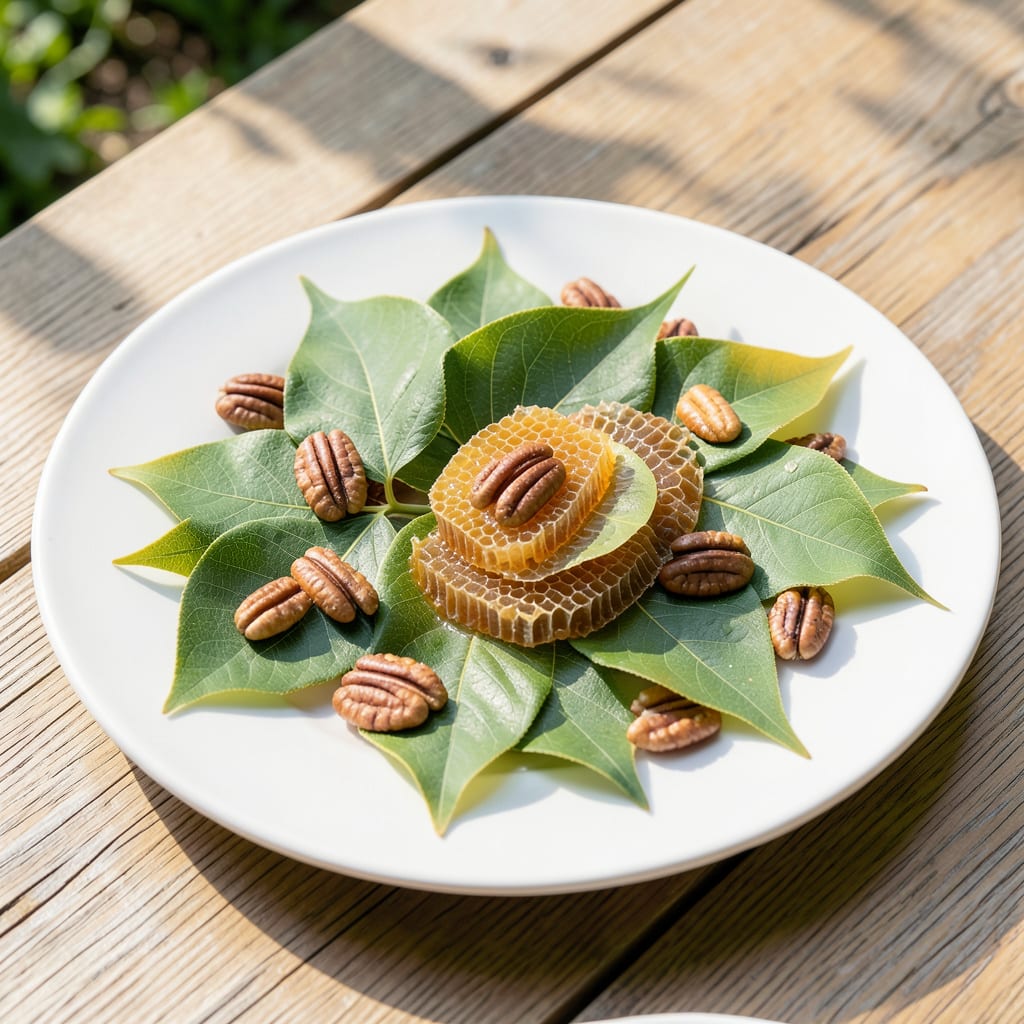
Nothing beats the satisfaction of watching your young pecan tree push out its first leaves. I check mine daily in spring, looking for that bright green flush that signals healthy growth.
Those early leaves should be smooth-edged and slightly fuzzy—a sign your sapling is establishing well. If they’re curled or spotted, it’s time to adjust water or check for pests. This stage sets the foundation for years of shade and nuts.
📚 In This Guide
Here’s how I spot the early signs of thriving growth in your new sapling.
Healthy young pecan leaves start as a vibrant bright green that deepens slightly as they mature. Avoid any yellowing, which often signals nutrient deficiency or overwatering. I check the underside too—it should be a slightly lighter green but still uniform.
If you notice brown spots or edges, your tree might be struggling with drought stress or disease. The color should look rich and consistent across all leaves, not patchy or faded.
Young pecan leaves are compound, with 9-17 leaflets arranged alternately along a central stem. Each leaflet should be 2-4 inches long, smooth-edged, and slightly pointed at the tip. Smaller or misshapen leaflets can indicate poor health or environmental stress.
I look for symmetrical growth—leaflets should be evenly spaced and similar in size. Asymmetric or stunted growth often means the tree needs better light or nutrients.
New leaves emerge in clusters at the tips of branches. Healthy saplings produce 3-5 new leaves per growth flush during the growing season. If you see only one or two, the tree might be under stress from lack of water or extreme temperatures.
The stem connecting the leaflets should be sturdy and green, not brittle or discolored. I gently bend new growth to test its flexibility—healthy stems snap back without breaking.
Run your fingers along the leaves to feel for bumps, holes, or sticky residue, which are signs of pests like aphids or pecan scab. Healthy leaves feel smooth and clean. I use a magnifying glass to check the undersides, where pests often hide.
Look for webbing or discoloration that might indicate mites or fungal issues. Early intervention prevents long-term damage, so I address any problems immediately with organic sprays or improved air circulation.
In spring, new leaves should unfurl within 2-3 weeks of bud break. By mid-summer, they’ll darken and toughen up. If leaves drop prematurely or turn color too early, it could signal disease or environmental stress.
I track these changes weekly during the first growing season. Consistent, predictable patterns confirm your pecan sapling is establishing itself well and on track for long-term health.
Here’s what I’ve learned from years of monitoring saplings and catching issues early.
Color Check: That vibrant bright green in Step 1 is your first clue to good health. If you see yellowing, it’s often overwatering rather than underwatering—most beginners get this backwards. I always check both sides of the leaf, as the underside can reveal problems the top hides.
Size Matters: In Step 2, those 2-4 inch leaflets are non-negotiable. If they’re consistently smaller, your tree might be root-bound or lacking nutrients. I once had a sapling with tiny leaves that turned out to be planted too shallow—depth matters more than you’d think.
Growth Pattern: The 3-5 new leaves per flush mentioned in Step 3 is your growth barometer. If you’re only seeing 1-2, don’t panic—check your watering schedule first. I’ve found that inconsistent moisture is the culprit 90% of the time.
Seasonal Timing: That 2-3 week unfurling window in Step 5 is your early warning system. If leaves aren’t emerging by week 3, I’d investigate the soil temperature—pecans need warmth to break dormancy. A simple soil thermometer can save you weeks of guessing.
Yellowing leaves often indicate nutrient deficiencies (like nitrogen) or overwatering. Check soil moisture and fertilize with a balanced tree food if needed. Rule out pests or fungal issues too.
Leaves typically emerge in late March to April, depending on your climate. Warmer regions see earlier growth, while cooler areas may take until May. Patience is key—saplings focus on root growth first!
Monitor for aphids, mites, or pecan scab. Use horticultural oil or neem oil for minor infestations. Keep the area clean and avoid overhead watering to prevent fungal diseases.
Water deeply 1–2 times per week for the first year, ensuring the soil stays moist but not soggy. Reduce frequency as the tree matures, but increase during droughts.
Not ideal! Pecan trees have deep taproots and need ample space. Dwarf varieties might work in large pots temporarily, but they’ll eventually need planting in the ground for long-term health.
