
Beautiful Plants For Your Interior
Beautiful Plants For Your Interior
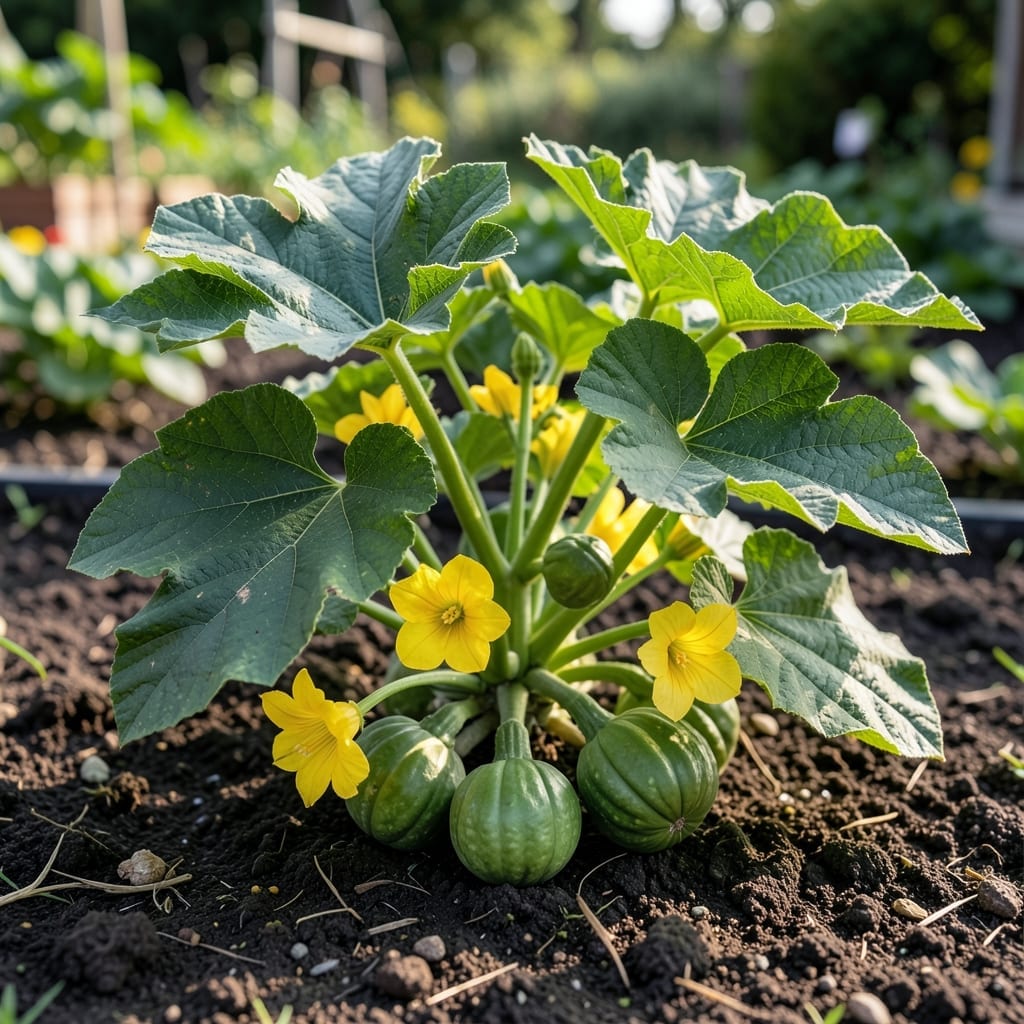
Watching a young Acorn Squash plant emerge from the soil is one of gardening’s most exciting moments. Those first tender leaves promise a bountiful harvest ahead.
But here’s the thing: these early days are critical. Without the right care, your 🎃 seedlings can struggle against pests, weather, or poor soil before they ever bear fruit.
Discover the essential steps to nurture your plants through this vulnerable stage. I’ll walk you through what works—and what to avoid—for healthy growth from the start.

The first 30 days are make-or-break for your young acorn squash plant. These tender seedlings need consistent care to establish strong roots and healthy vines. I’ve found that proper watering and sunlight exposure are the top priorities during this stage.
Start by ensuring your seedlings get 6-8 hours of direct sunlight daily. Without enough light, they’ll grow leggy and weak. A south-facing location is ideal for maximizing sun exposure. 🌱
| Requirement | Specification |
|---|---|
| Sunlight | 6-8 hours daily |
| Water | 1-2 inches weekly |
| Soil Temp | 60°F minimum |
| Soil Type | Well-draining, rich in compost |
| Fertilizer | 5-10-10 NPK, every 4-6 weeks |
Water your young acorn squash deeply once a week, providing 1-2 inches of water each time. Morning watering is best to prevent fungal diseases. Always water at the base of the plant to keep leaves dry.
Soil temperature is another critical factor. These plants won’t thrive if the soil is below 60°F. Use a soil thermometer to check, and consider black plastic mulch to warm the soil faster in spring.
For the best start, plant your seedlings in well-draining soil enriched with compost or aged manure. This provides the nutrients they need for rapid growth. Avoid heavy clay soils, which can suffocate young roots.
I always add a 2-3 inch layer of organic mulch around my plants. This helps retain moisture, suppresses weeds, and keeps soil temperatures stable. Straw or shredded leaves work particularly well.
Pests can be a major issue for young acorn squash plants. Watch for squash bugs and cucumber beetles, which love to attack tender seedlings. I use row covers early on to protect my plants without chemicals.
Another tip: thin your seedlings if they’re too crowded. Each plant needs 2-3 feet of space to spread out. Crowded plants compete for resources and are more susceptible to disease.
Finally, monitor for signs of stress like yellowing leaves or wilting. These often indicate overwatering or nutrient deficiencies. Adjust your care routine as needed to keep your plants on track for a productive season. 🌿
Spotting stress signs early can save your young acorn squash plant from long-term damage. I check mine daily for subtle changes that indicate problems. Yellowing leaves often signal overwatering or nutrient deficiencies in the soil. 🌱
Wilting during daylight usually means underwatering, while wilting at night might point to root rot. Stunted growth could be from cool soil or poor nutrition. Each symptom has a specific fix if caught quickly.
For yellow leaves, first check your watering schedule. If the soil is soggy, reduce water and improve drainage. If it’s dry, increase watering to 1-2 inches weekly. A soil test can reveal nitrogen deficiencies if water isn’t the issue.
White powdery spots on leaves indicate powdery mildew, a common fungal disease. Improve air circulation and apply baking soda spray (1 tbsp baking soda, 1 quart water, few drops of soap) to treat it naturally.
If your plant has hole-riddled leaves, look for beetle damage. Handpick pests early in the morning when they’re sluggish. For severe infestations, pyrethrin-based sprays work well but should be a last resort.
Leggy seedlings stretch toward light when they’re not getting enough. Move them to a sunnier spot or supplement with grow lights. This prevents weak stems that can’t support future fruit.
Remember, prevention is easier than treatment. I maintain consistent care and regular inspections to catch problems before they escalate. Healthy plants are always more resistant to pests and diseases. 🌿