
Beautiful Plants For Your Interior
Beautiful Plants For Your Interior
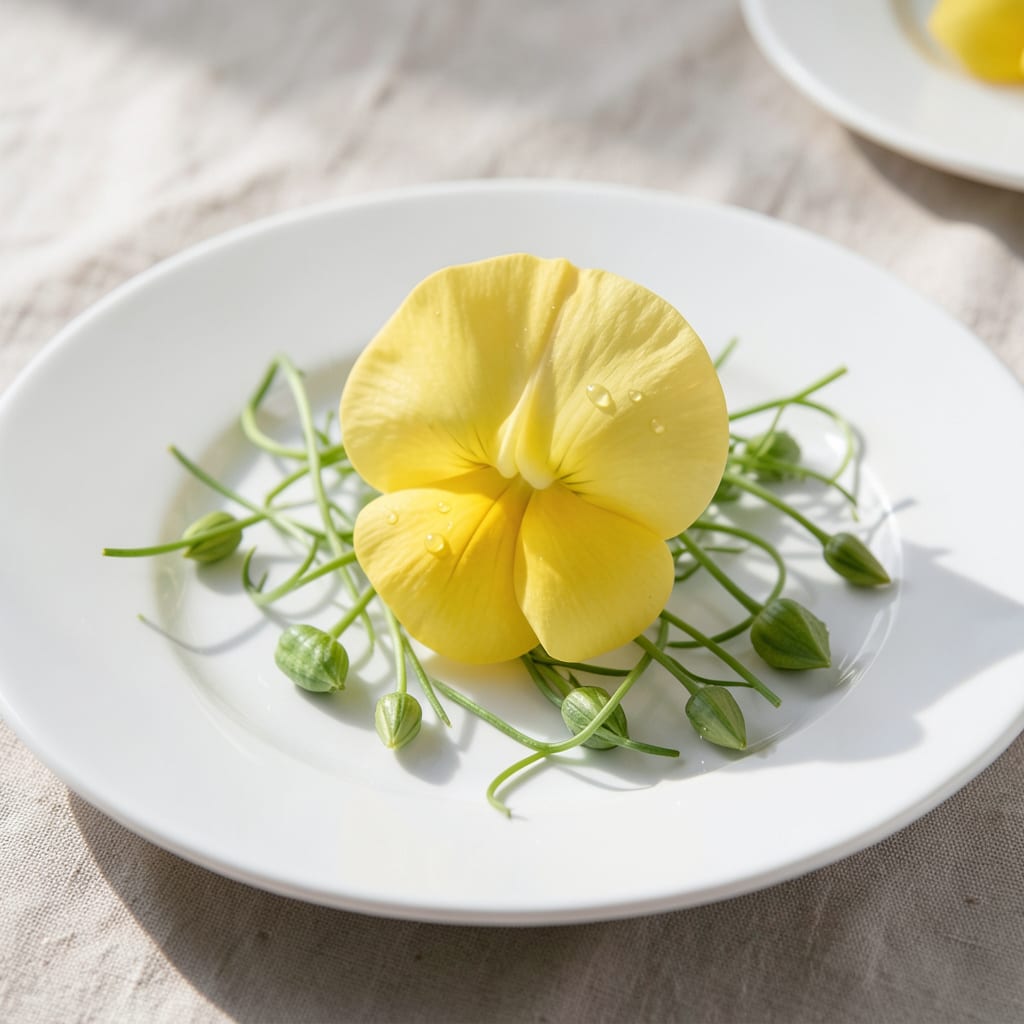
Sunny yellow sweet peas bring cheerful color and a honey-like scent to any garden. I fell for these climbers when I saw how bees and butterflies swarmed my first patch.
They thrive in cool weather with full sun and well-draining soil. Plant seeds in early spring or fall for blooms that keep coming, adding vertical interest to borders and trellises.
📚 In This Guide
Here’s the method I use to grow these cheerful blooms every season, with minimal fuss and maximum pollinator appeal.
Select a spot with full sun to partial shade—sweet peas thrive in 6+ hours of sunlight but tolerate afternoon shade in hotter climates. I always pick a location with well-draining soil to prevent root rot, which these plants despise.
If your soil is heavy clay, amend it with compost or aged manure to improve drainage. A slightly alkaline soil pH around 7.0-7.5 is ideal. Test your soil first, and adjust with lime if needed.
Sow seeds directly in the garden 4-6 weeks before the last frost, planting them 1 inch deep and 2-3 inches apart. Sweet pea seeds have a hard coat, so soak them in lukewarm water for 12 hours to speed up germination.
If using seedlings, dig holes slightly larger than the root ball and space them 6-8 inches apart. Gently firm the soil around the base to remove air pockets. Water thoroughly after planting to help them establish.
Install a trellis, fence, or other support structure at planting time. Sweet peas are vigorous climbers and need something to twine around. I use a simple bamboo teepee or a section of chicken wire stretched between posts.
Secure the vines to the support with soft twine or plant clips as they grow. Without proper support, the plants will sprawl on the ground, leading to poor air circulation and increased disease risk.
Keep the soil consistently moist but not waterlogged during the growing season. Water at the base of the plants to avoid wetting the foliage, which can lead to mildew. During dry spells, I water deeply 2-3 times per week.
Fertilize lightly with a balanced, water-soluble fertilizer every 4-6 weeks to encourage strong growth and abundant blooms. Avoid high-nitrogen fertilizers, as they promote leafy growth at the expense of flowers.
Remove faded blooms regularly to encourage continuous flowering. Deadheading prevents the plants from setting seed, which signals them to produce more flowers. I do this every 3-4 days during peak bloom.
Cut flowers for bouquets in the early morning when the buds are just beginning to open. The more you harvest, the more blooms the plants will produce. Use sharp scissors to avoid crushing the stems.
Small adjustments make a big difference when growing these cheerful blooms.
Soil Preparation: In Step 1, don’t skip the soil test. That slightly alkaline pH of 7.0-7.5 is crucial because sweet peas struggle in acidic conditions. If your soil is heavy clay, amending with compost or aged manure improves drainage significantly. I learned this the hard way after losing a whole bed to root rot.
Seed Treatment: The 12-hour soak in lukewarm water for seeds in Step 2 isn’t optional—it softens that hard coat and can cut germination time in half. I’ve had seeds sprout in just 5 days after soaking, versus 2 weeks without it. Just be sure to change the water halfway through.
Support System: Install your trellis or support at planting time, as mentioned in Step 3. Waiting until vines start growing makes it harder to secure them without damaging the stems. I use soft twine to gently tie vines to my bamboo teepee every few inches as they climb.
Watering Wisdom: In Step 4, that 2-3 times per week watering schedule assumes normal conditions. During heat waves, you might need to water daily, but always check soil moisture first—sweet peas hate soggy roots. Watering at the base is non-negotiable to prevent mildew on the foliage.
Plant seeds in well-draining soil with full sun to partial shade. Sow in early spring or fall, and provide a trellis for climbing. Keep the soil moist but not soggy for best results.
These vibrant flowers typically bloom from late spring to early summer, depending on the planting zone. With proper care, they may produce a second flush of blooms in the fall.
Yes! Consider planting marigolds, sunflowers, or cosmos. These bright, nectar-rich flowers also attract bees and butterflies while adding color to your garden.
Wilting can be caused by underwatering, overwatering, or poor soil drainage. Check moisture levels and ensure the soil is well-draining. Pests or disease may also be a factor.
Absolutely! Use a large pot with good drainage, a trellis for support, and quality potting mix. Container-grown sweet peas need consistent watering and sunlight.
