
Beautiful Plants For Your Interior
Beautiful Plants For Your Interior
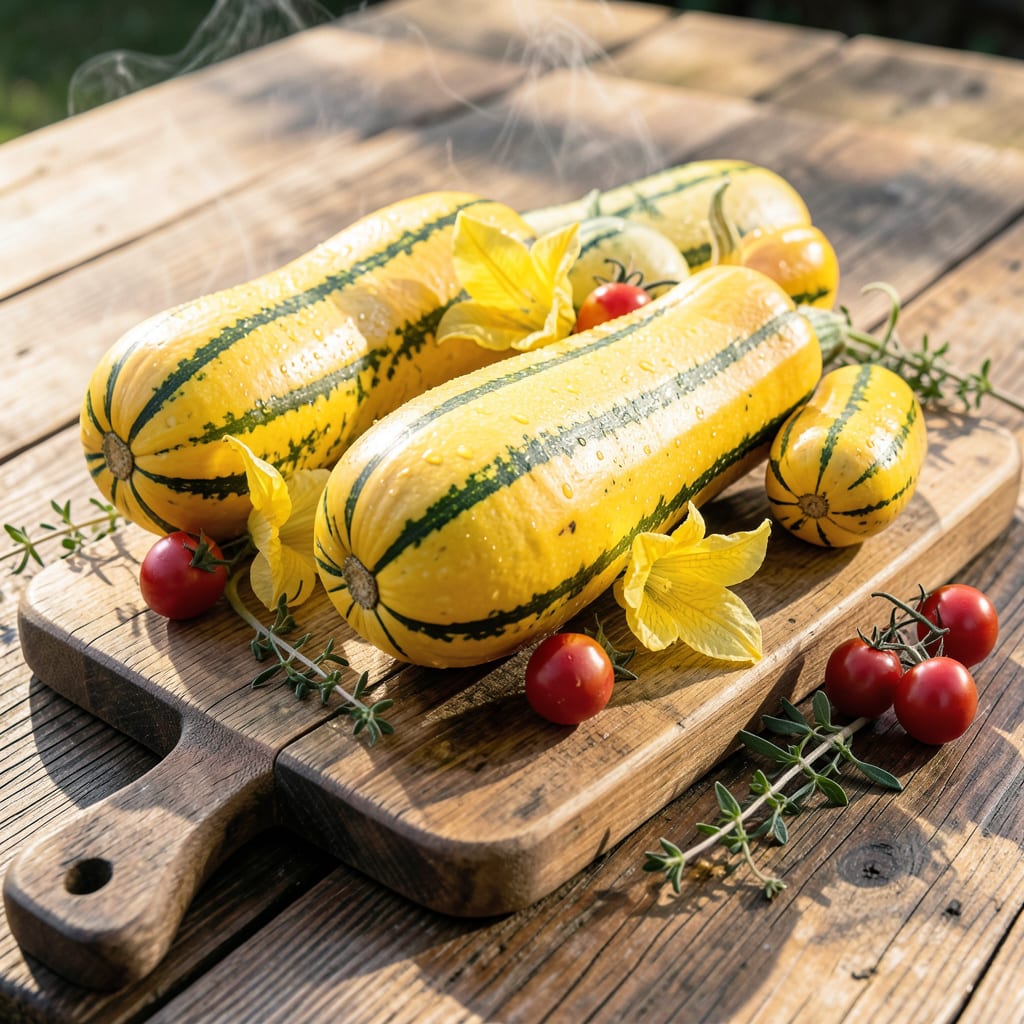
This striped beauty adds serious visual pop to any garden bed. I first grew it on a whim three seasons ago, and now it’s a non-negotiable part of my summer plantings.
You’ll get tender, sweet fruit that’s as productive as it is pretty. The vines spread 6-8 feet, so give them room or trellis them up. Harvest starts in 50-55 days and keeps coming until frost.
📚 In This Guide
This vibrant variety thrives with the same care as other summer squash, producing beautiful striped fruits all season.
Choose a location with full sun exposure—at least 6-8 hours of direct sunlight daily. The soil should be well-draining and rich in organic matter. I work a 2-3 inch layer of compost into the top 6 inches of soil to give the plants a strong start.
Test the soil pH, aiming for 6.0-6.8, which is ideal for squash. If your soil is heavy clay, consider planting in raised beds to improve drainage. The vines will spread 3-5 feet, so space plants accordingly to allow for air circulation.
Sow seeds directly in the garden after the last frost when soil temperatures reach 70°F. Plant seeds 1 inch deep and 36 inches apart in rows spaced 5-6 feet apart. If using transplants, set them at the same depth they were growing in their containers.
Water the seeds or transplants immediately after planting to settle the soil around the roots. I keep the soil consistently moist but not waterlogged during the first 10-14 days until germination or until the transplants show new growth.
Once established, water deeply at the base of the plants 1-2 times per week, depending on rainfall. Aim to provide 1-1.5 inches of water weekly. The soil should feel moist 1 inch down—if it’s dry, it’s time to water.
Feed the plants with a balanced fertilizer when they start to vine and again when the first fruits appear. I use a 10-10-10 formula, applying it according to package instructions. Avoid getting fertilizer on the leaves, as it can burn them.
Check the plants daily for signs of pests like squash bugs or cucumber beetles. Remove any pests by hand or use an organic insecticide if needed. The striped fruits will be ready to harvest when they’re 4-6 inches long and the skin is still tender enough to pierce with a fingernail.
Harvest every 2-3 days to encourage more production. Use a sharp knife or pruners to cut the squash from the vine, leaving a short stem attached. Regular harvesting prevents the fruits from becoming oversized and bitter, and it keeps the plants productive throughout the season.
Here’s how to get the most from your striped squash crop this season.
The Heat Factor: Those 6-8 hours of full sun daily aren’t just a suggestion—they’re essential for maximizing fruit production. If your garden has partial shade, position these plants where they’ll get the most direct light, even if it means adjusting your layout.
Soil Preparation: Working that 2-3 inch layer of compost into the top 6 inches of soil makes a noticeable difference in plant vigor. I’ve found that squash grown in well-amended soil produces more fruits and resists disease better than those in poor soil.
Planting Depth Matters: Seeds planted 1 inch deep and 36 inches apart give each plant enough space to spread without competing for nutrients. If you crowd them, you’ll end up with smaller fruits and more susceptibility to pests.
Harvest Timing: Picking squash when they’re 4-6 inches long ensures the best flavor and texture. Wait much longer, and they’ll become tough and seedy. I set a reminder to check plants every 2-3 days during peak production to stay on top of harvesting.
Green stripes on yellow squash are natural! Varieties like ‘Zucchini’ or ‘Cocozelle’ often develop light green stripes as they mature. It’s a sign of healthy growth, not a defect.
Harvest when squash is 6–8 inches long and the skin is tender. Pick early in the morning for the best flavor and texture. Overripe squash can become tough and seedy.
Yes! Young, tender squash with green stripes can be eaten raw in salads or as a snack. Ensure it’s fresh, firm, and free of blemishes for the best taste and safety.
Try zucchini, pattypan, or crookneck squash. They have similar textures and flavors, making them great substitutes in recipes calling for striped yellow squash.
Poor pollination, lack of sunlight, or nutrient deficiencies may be the cause. Encourage bees, ensure 6–8 hours of sunlight, and fertilize with compost to boost productivity.
