
Beautiful Plants For Your Interior
Beautiful Plants For Your Interior
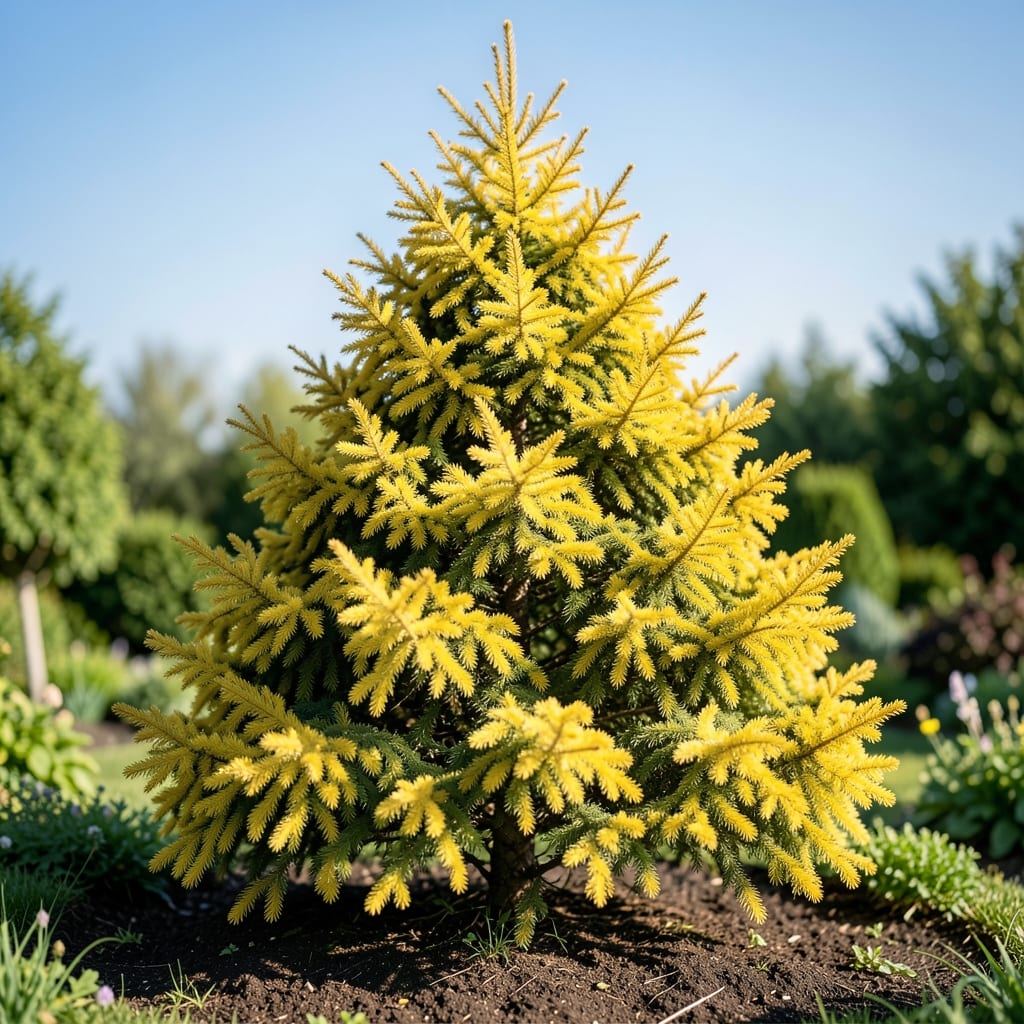
There’s something about a yellow spruce that stops you in your tracks. The golden needles catch the light like nothing else in the yard, turning a simple evergreen into a living centerpiece.
I planted my first one in a spot that got 6+ hours of sun, and the color deepened into that rich, buttery hue everyone notices. The key is well-draining soil—this tree hates wet feet.
Once established, it’s surprisingly low-maintenance. A little mulch, occasional water during dry spells, and it rewards you with year-round color that never fades.
Perfect for borders, specimen planting, or adding a pop of color to your landscape. This is how to get it right from the start.
The vibrant green needles of a spruce tree can turn yellow due to several underlying causes, often signaling stress or disease. Here’s a breakdown of the most common reasons, explained scientifically and actionably:
Extreme temperatures, drought, or poor soil conditions can weaken the tree, leading to chlorosis (yellowing). Spruces thrive in cool, moist climates, and heat stress disrupts chlorophyll production. Overwatering or compacted soil can also suffocate roots, reducing nutrient uptake.
Pathogens like Rhizosphaera needle cast or Stigmina target spruces, causing needles to yellow and drop prematurely. These fungi thrive in wet, humid conditions, infecting needles and blocking their ability to photosynthesize. Fungal spores spread via wind or rain, making prevention key.
Sap-sucking insects such as spruce spider mites or bark beetles damage foliage, leading to discoloration. Mites pierce needle cells, draining fluids and causing stippling or yellowing. Beetles bore into bark, disrupting nutrient flow. Early detection and horticultural oils can mitigate damage.
A lack of essential nutrients like magnesium or iron can trigger yellowing. Magnesium deficiency often appears as yellowing between needle veins, while iron deficiency causes uniform pale yellow needles. Soil pH imbalance (too alkaline) can lock out these nutrients, requiring amendments like sulfur or chelated iron.
When your spruce starts losing its vibrant green, these targeted fixes can restore its health and prevent future problems.
Yellow needles often signal overwatering or nutrient deficiency. Check soil moisture—if it’s soggy, reduce watering and improve drainage by mixing in coarse sand or compost. For nutrient issues, apply a balanced evergreen fertilizer in early spring. Prevention tip: 💡 Water deeply but infrequently, and test soil pH (ideal: 6.0–7.5).
Spider mites and aphids drain sap, causing discoloration. Blast them off with a strong water spray, then apply neem oil or insecticidal soap weekly until gone. Prevention tip: 🎯 Encourage beneficial insects like ladybugs by planting companion flowers nearby.
Needle cast or root rot thrive in damp conditions. Prune infected branches with sterilized shears and dispose of debris far from the tree. Apply a copper-based fungicide in early spring or fall. Prevention tip: ✨ Space trees for airflow and avoid overhead watering.
Young or transplanted spruces may scorch in intense sun. Shield them with burlap screens or plant in partial shade. Keep soil consistently moist (not waterlogged) during heatwaves. Prevention tip: 🌡️ Mulch with 2–3 inches of wood chips to retain moisture and regulate soil temperature.
Needles turn yellow due to stress like drought, poor drainage, or nutrient deficiencies. Environmental factors disrupt chlorophyll, while pests or fungi can also trigger discoloration.
Water deeply 1-2 times per week during dry spells, ensuring soil stays moist but not soggy. Young trees need more attention than established ones.
Only if the issue is nutrient deficiency. Test soil first—if pH is off or drainage is poor, fertilizer won’t help. Always address the root cause.