
Beautiful Plants For Your Interior
Beautiful Plants For Your Interior
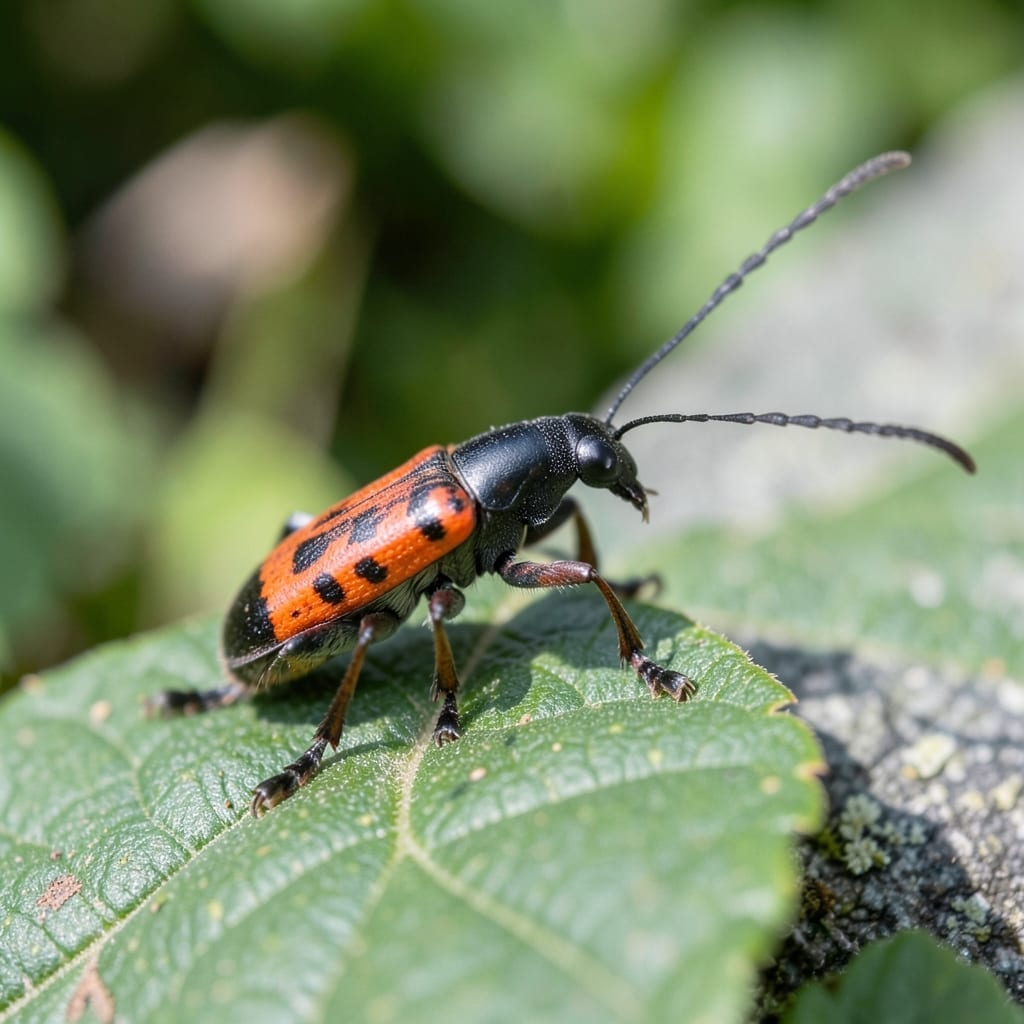
Tiny beetles, big problems. Yellow poplar weevils can silently destroy your hardwood trees before you even notice they’re there.
I first spotted them on my tulip poplar last spring—small notches in the leaves and skeletonized foliage that looked like lace. These pests target poplars, magnolias, and sometimes sassafras, leaving trees stressed and vulnerable.
Left unchecked, a heavy infestation can defoliate a mature tree in 2-3 weeks. The good news? You can spot them early with careful observation and stop the damage before it spreads.
Here’s how to identify, prevent, and treat these silent destroyers.
The yellow poplar weevil (Odonterus scabrosus) thrives under specific environmental and biological conditions. Understanding these triggers helps in both prevention and control. Below are the primary causes of its infestation.
These weevils target stressed or weakened yellow poplar (tulip poplar) trees. Drought, poor soil conditions, or root damage compromise the tree’s natural defenses, making it more susceptible. Healthy trees produce sufficient tannins and other deterrents, but stressed trees emit volatile organic compounds (VOCs) that attract weevils for feeding and egg-laying.
Warm, dry springs and early summers create ideal conditions for weevil activity. Adults emerge when soil temperatures reach 60–65°F (15–18°C) and are most active during sunny, low-humidity days. Prolonged droughts reduce tree vigor, while excessive rainfall can delay emergence but lead to explosive populations once conditions dry out.
In areas where natural predators like parasitic wasps or ground beetles are absent, weevil populations can spiral. Monoculture plantations or urban landscapes with limited biodiversity often lack these checks, allowing weevils to reproduce unchecked. Introducing or preserving predator habitats can help restore balance.
Dense stands of yellow poplar trees create a microclimate that favors weevil survival. Limited airflow increases humidity at the tree base, while competition for resources weakens individual trees. Thinning stands to improve spacing (15–20 feet between mature trees) reduces stress and disrupts weevil movement between hosts.
Dealing with a yellow poplar weevil infestation requires quick action and a mix of cultural, mechanical, and chemical strategies. Below are targeted solutions for common issues, along with tips to keep your trees healthy long-term.
If you notice weevils in fallen branches or damaged trees, prune and destroy the affected wood immediately. Burn or chip the material to eliminate larvae and adults hiding inside. Prevention tip: 💡 Regularly inspect trees for early signs of borer activity, like small holes or sawdust-like frass.
For a natural fix, introduce steinernema or heterorhabditis nematodes to the soil around the tree’s base. These microscopic worms hunt and kill weevil larvae before they mature. Apply in the evening when soil is moist and temperatures are mild (55–85°F). Prevention tip: 🌡️ Maintain consistent soil moisture to help nematodes thrive.
Spray horticultural oil or insecticidal soap on the bark to smother adult weevils and their eggs. Focus on cracks and crevices where they hide. Reapply every 7–10 days during active seasons (spring and early summer). Prevention tip: ✨ Avoid overusing chemical treatments—rotate with natural methods to prevent resistance.
Healthy trees resist pests better. Fertilize in early spring, water deeply during dry spells, and mulch to retain moisture. Stress from drought or poor soil often attracts weevils. Prevention tip: 🎯 Plant weevil-resistant tree varieties if replanting is an option.
Combine these methods for the best results, and always monitor trees after treatment to ensure the infestation doesn’t return.
Tulip poplars are the primary targets, but magnolias and sassafras can also fall victim. Weevils are drawn to stressed trees, so maintain vigor through proper watering and soil care.
Adults emerge in spring to early summer when soil reaches 60–65°F. They’re most active on warm, dry days, so monitor trees closely during this period.
Yes! Beneficial nematodes, horticultural oils, and insecticidal soaps work well. Apply nematodes in moist soil at dusk for best results, and reapply oils every 7–10 days.