
Beautiful Plants For Your Interior
Beautiful Plants For Your Interior
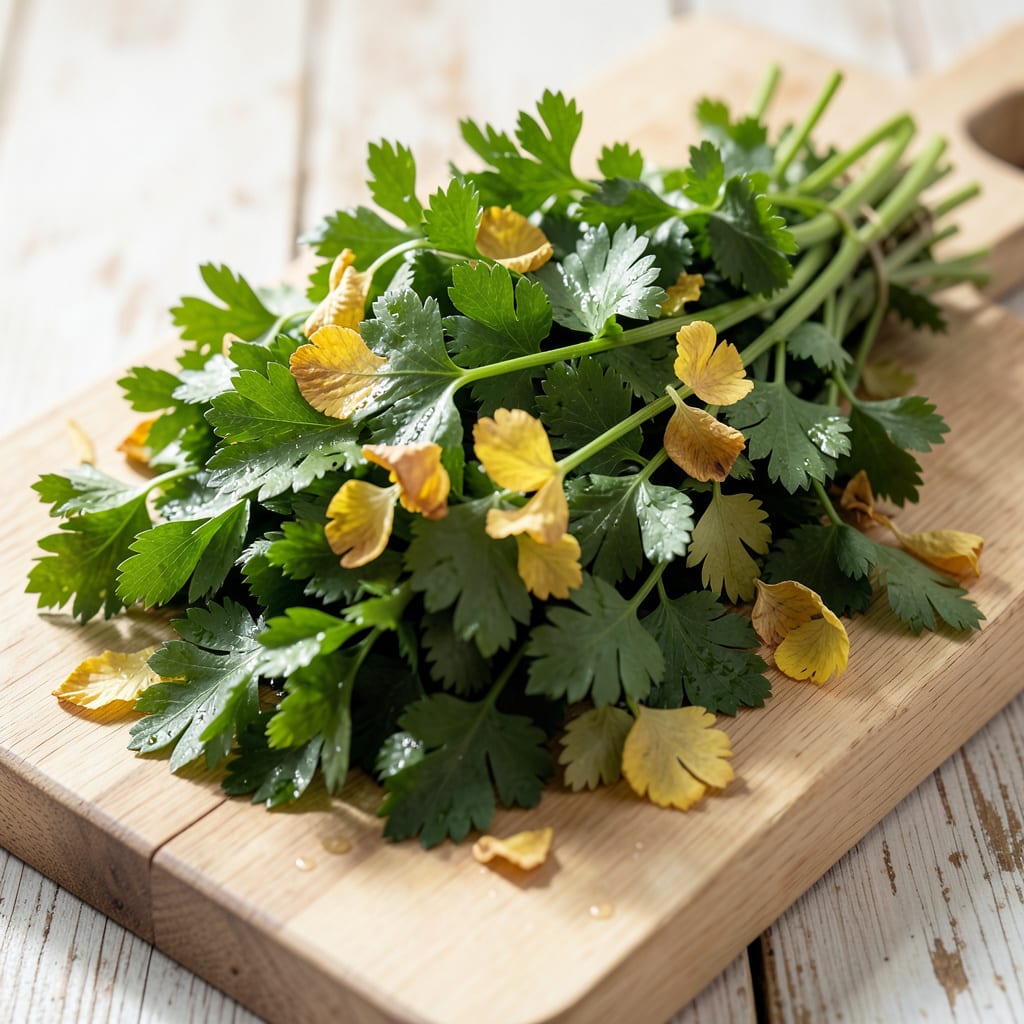
Yellow parsley leaves had me stumped the first time it happened. Turns out, it’s usually one of three culprits: too much water, not enough nutrients, or uninvited pests crashing the party.
I’ve saved more parsley plants than I can count by checking the soil first—if it’s soggy, that’s your sign to ease up on the watering. Dry and crumbly? Time to feed your plants a balanced fertilizer.
Pests like aphids leave behind sticky residue and curled leaves. A sharp spray of water or insecticidal soap clears them out fast. The fix is often simpler than you’d think.
Prevention is easier than cure. Good drainage, consistent watering, and regular inspections keep your parsley vibrant and green all season long.
Parsley leaves turn yellow due to a mix of environmental, biological, and cultural stressors. Below are the most common causes, explained with actionable insights.
Excess moisture suffocates parsley roots, preventing oxygen uptake and fostering Phytophthora or Pythium root rot. Soggy soil disrupts nutrient absorption, leading to chlorosis (yellowing). Check soil moisture by inserting your finger 1–2 inches deep—if it’s damp, hold off on watering. Ensure pots have drainage holes and use well-draining, loamy soil.
Parsley thrives in 50–70°F (10–21°C). Heat above 80°F (27°C) or frost triggers stress responses, causing leaves to yellow and wilt. Shade cloths can protect plants from scorching sun, while row covers guard against cold snaps. Move potted parsley indoors during extreme weather.
Nitrogen deficiency causes uniform yellowing (starting with older leaves), while magnesium or iron shortages create interveinal chlorosis (yellowing between veins). Test soil pH—parsley prefers 6.0–7.0. Amend soil with compost for nitrogen or add Epsom salt (magnesium sulfate) for magnesium. For iron, use chelated iron supplements.
Spider mites, aphids, and whiteflies sap plant juices, weakening parsley and causing stippled yellowing. Inspect leaf undersides for webbing or tiny insects. Blast off pests with water or apply neem oil or insecticidal soap. Introduce beneficial insects like ladybugs for organic control.
Pathogens like Alternaria (leaf blight) or Pseudomonas (bacterial leaf spot) create yellow halos or spots. Improve air circulation, avoid overhead watering, and remove infected leaves. Copper fungicides can treat bacterial issues, while sulfur-based sprays target fungi.
If your parsley is sporting sad, yellow leaves, don’t toss it just yet. Most causes are fixable with simple adjustments. Here’s how to diagnose and treat each issue, plus prevention tips to keep your herbs vibrant.
Fix: Let the soil dry out slightly between waterings. If the pot lacks drainage, repot your parsley in a container with holes at the bottom. Use a well-draining potting mix to prevent waterlogging.
Prevention: Water only when the top inch of soil feels dry. Always use pots with drainage, and avoid saucers that trap excess water.
Fix: Move your parsley to a sunnier spot—aim for at least 6-8 hours of direct sunlight daily. If growing indoors, place it near a south-facing window or supplement with a grow light.
Prevention: Rotate the pot weekly for even light exposure. Outdoors, choose a location with partial to full sun.
Fix: Feed your parsley with a balanced, water-soluble fertilizer (10-10-10) every 4-6 weeks. For a quick boost, use a compost tea or fish emulsion. Yellowing due to nitrogen deficiency (lower leaves) often clears up in 1-2 weeks.
Prevention: Enrich the soil with compost before planting. Top-dress with worm castings monthly for steady nutrients.
Fix: Spray leaves with a mix of water and mild soap to dislodge aphids or spider mites. For stubborn pests, use neem oil or insecticidal soap. Prune heavily infested leaves to stop the spread.
Prevention: Inspect plants regularly, especially the undersides of leaves. Introduce beneficial insects like ladybugs to your garden.
Fix: If parsley is wilting from heat, move it to a cooler, shaded area during peak afternoon sun. For cold stress, bring potted parsley indoors or cover outdoor plants with a frost cloth.
Prevention: Parsley thrives in 50-70°F (10-21°C). Plant in spring or fall to avoid extreme temperatures.
No, early intervention can reverse most issues. Addressing overwatering or nutrient gaps quickly often restores green color within 1-2 weeks.
Only if caught early. Repot in fresh, dry soil and trim black roots. Severe cases may require starting fresh with new plants.
This signals nitrogen deficiency. Plants prioritize new growth, pulling nutrients from older leaves first. A balanced fertilizer fixes this.
Inspect leaves weekly, especially undersides. Aphids and mites multiply quickly but are easy to spot with regular checks.
