
Beautiful Plants For Your Interior
Beautiful Plants For Your Interior
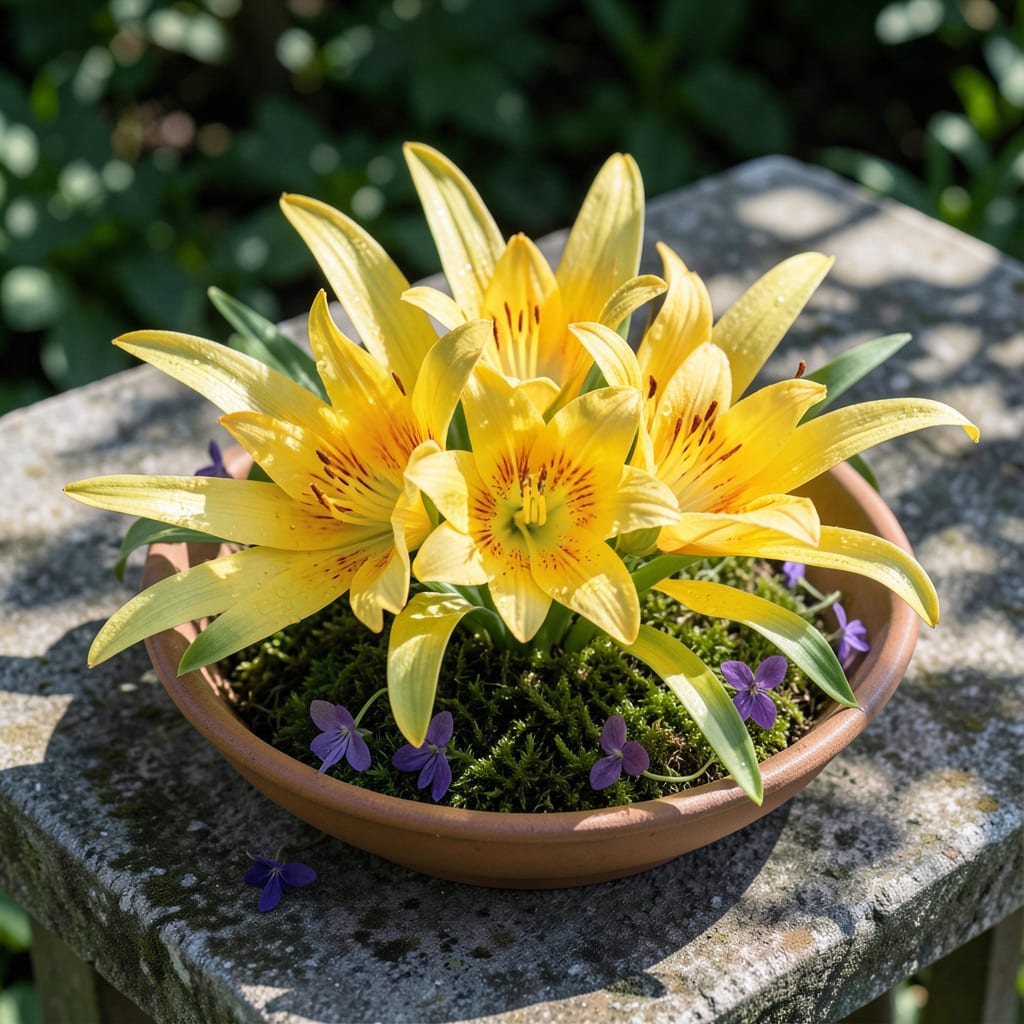
Yellow leaves on daylilies always make me pause—it’s your plants waving a white flag. I’ve seen this issue derail entire borders, but the fix is usually simpler than you’d think.
Most cases come down to four culprits: too much water, not enough nutrients, sneaky pests, or a fungal party crashing in your soil. The good news? Each has a foolproof solution once you know what you’re dealing with.
By next season, you’ll spot the early signs before they spread. A little observation now saves you weeks of frustration later—trust me, I learned that the hard way.
Works for new plantings and established clumps alike. Here’s how to play detective and nurse them back to their vibrant best.
Daylilies are hardy, but their leaves can turn yellow due to several stress factors. Understanding the root cause helps you restore their health and vibrancy.
Excess moisture suffocates the roots, preventing oxygen uptake and leading to root rot. Fungi like Phytophthora thrive in soggy soil, causing yellowing (chlorosis) as roots fail to absorb nutrients like nitrogen and iron. Check soil moisture 2 inches deep—if it’s waterlogged, improve drainage with compost or sand.
Nitrogen deficiency causes uniform yellowing (older leaves first), while iron or magnesium shortages create interveinal chlorosis (yellow leaves with green veins). Daylilies in poor or alkaline soil (pH > 7.0) often struggle to absorb iron. Test soil and amend with a balanced fertilizer (10-10-10) or iron chelates for quick correction.
Sap-sucking pests like aphids and spider mites drain essential fluids, causing stippling, curling, and yellowing. Aphids also spread viruses (e.g., Daylily Rust), which manifest as yellow spots. Inspect leaf undersides and treat with neem oil or insecticidal soap at first signs.
Too much direct sun can scorch leaves, turning them yellow or brown at the tips (sunburn). Conversely, deep shade starves them of light needed for chlorophyll production. Daylilies prefer 6+ hours of sun with afternoon shade in hot climates. Transplant stressed plants to a better spot and mulch to regulate soil temperature.
Daylily Rust (Puccinia hemerocallidis) and leaf streak (Aureobasidium microstictum) cause yellow-orange lesions. Rust thrives in humid, crowded conditions. Remove infected foliage, increase airflow, and apply copper fungicide preventatively in spring.
Daylilies are tough, but even they need a little help to bounce back from yellowing leaves. Below are targeted fixes for the most common causes, along with tips to keep your plants thriving long-term.
If yellowing starts at the bottom leaves and spreads upward, your daylilies may need a nitrogen boost. Use a balanced, slow-release fertilizer (10-10-10 or 5-10-5) in early spring and again mid-summer. For iron deficiencies (yellowing between veins), treat with chelated iron or lower soil pH with sulfur.
Prevention: Test soil annually and amend with compost for organic nutrients. 💡 Avoid over-fertilizing—it can burn roots!
Soggy soil suffocates roots, causing yellow, wilted leaves. Let the top 1–2 inches of soil dry between waterings. If drainage is poor, mix in perlite or sand, or plant in raised beds.
Prevention: Water deeply once a week (more in heatwaves) and use mulch to retain moisture without waterlogging.
For aphids or spider mites (visible pests + sticky residue), spray leaves with neem oil or insecticidal soap every 5–7 days. Fungal issues (brown spots + yellow halos) need copper fungicide—apply at first sign and remove infected leaves.
Prevention: Space plants for airflow, water at the base (not leaves), and clean up debris in fall. ✨ Encourage ladybugs—they eat aphids!
Scorched, crispy yellow edges? Daylilies love sun but may need afternoon shade in hot climates. If leaves are pale and leggy, they’re likely starved for light. Transplant to a spot with 6+ hours of sunlight or use shade cloth in peak summer.
Prevention: Observe light patterns in your garden and group plants with similar needs.
Water deeply once a week, allowing the top 1-2 inches of soil to dry between waterings. Increase frequency during heatwaves but avoid soggy soil.
Use a balanced slow-release fertilizer (10-10-10) in spring and mid-summer. For iron deficiencies, apply chelated iron or adjust soil pH with sulfur.
Yes, scorching sun can turn leaf edges yellow or brown. Daylilies need 6+ hours of sunlight but may require afternoon shade in hot climates.
Spray leaves with neem oil or insecticidal soap every 5-7 days for aphids or mites. Remove heavily infested foliage immediately.
