
Beautiful Plants For Your Interior
Beautiful Plants For Your Interior
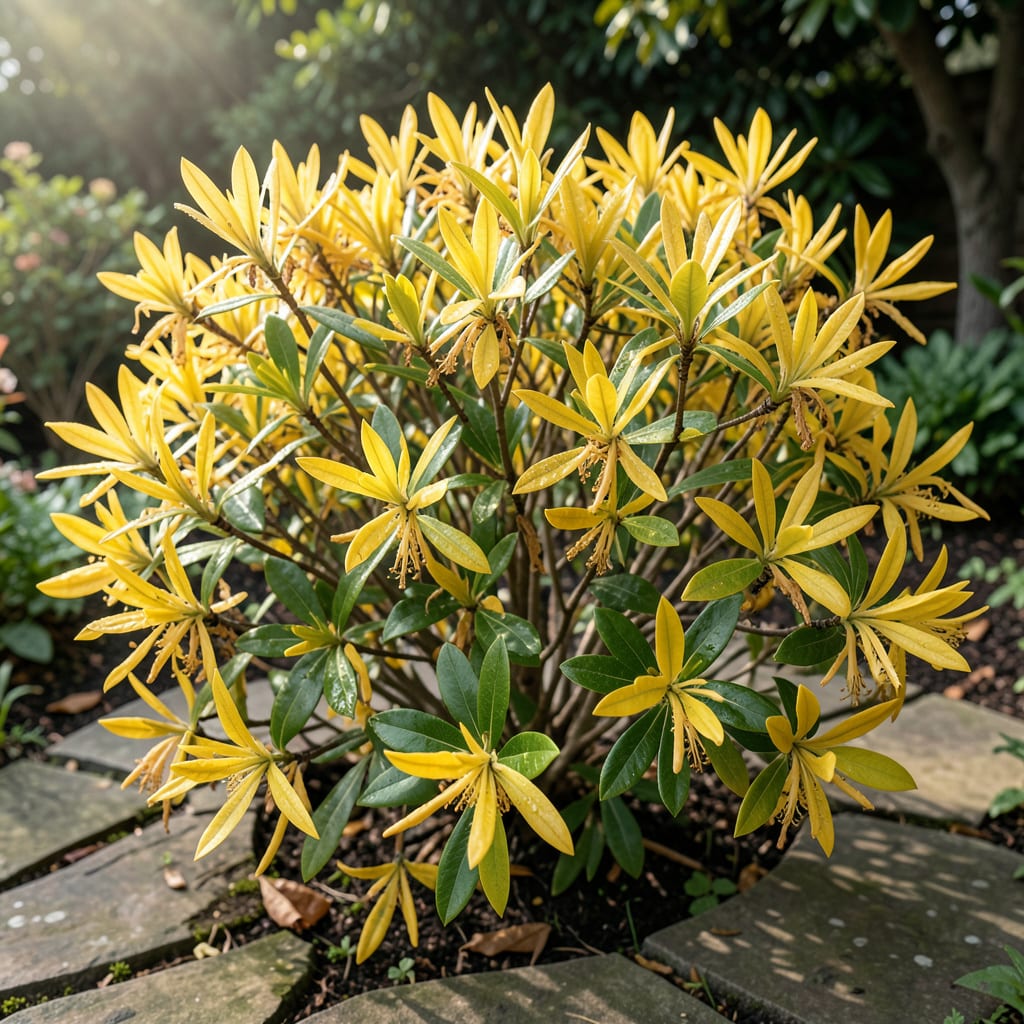
Yellow leaves on your daphne bush aren’t just unsightly—they’re a cry for help. I’ve seen this exact issue turn a thriving shrub into a sad, struggling plant in 2 weeks if ignored.
The usual suspects are easier to fix than you’d think: wrong watering, hungry soil, or sneaky pests. Most gardeners jump to conclusions about disease, but the solution often starts with checking your own care routine.
What you do next makes all the difference. Adjust your approach, and you’ll see new green growth pushing through within 3-4 weeks. The plant wants to recover—it just needs the right conditions.
Works for all daphne varieties, from evergreen to deciduous. Here’s how to diagnose and fix it for good.
Daphne bushes are prized for their fragrant blooms and glossy foliage, but when their leaves turn yellow, it’s a sign that something’s amiss. Here’s a breakdown of the most common causes, each with a clear explanation and actionable insights.
Daphne plants hate soggy roots. Overwatering or heavy, poorly draining soil suffocates the roots, preventing them from absorbing oxygen. This leads to root rot, a fungal issue that manifests as yellowing leaves, wilting, and stunted growth. Daphne thrives in moist but well-drained soil—think of it as a plant that likes its feet dry but its head in the mist.
A lack of essential nutrients, particularly iron, nitrogen, or magnesium, can cause chlorosis (yellowing of leaves). Daphne bushes are especially sensitive to iron deficiency, which often appears as yellow leaves with green veins. This is common in alkaline soils where iron becomes less available. A soil test can confirm the issue, and chelated iron supplements or acidic fertilizers can restore balance.
Daphne is a bit of a diva when it comes to its environment. Extreme temperatures (too hot or too cold), sudden temperature swings, or exposure to harsh winds can stress the plant, leading to yellow leaves. Similarly, too much direct sunlight can scorch the foliage, while too little light can weaken the plant. Aim for partial shade and a sheltered spot to keep your daphne happy.
Pests like aphids, scale insects, or spider mites can sap the life out of your daphne by feeding on its sap. This weakens the plant and can cause yellowing, curling, or dropping leaves. Check the undersides of leaves and stems for signs of infestation. A strong blast of water or insecticidal soap can often resolve minor issues before they escalate.
Yellow leaves on your daphne bush can be frustrating, but with the right approach, you can nurse your plant back to health. Below are targeted solutions for each common cause, along with prevention tips to keep your daphne thriving.
If soggy soil is the culprit, stop watering immediately and let the soil dry out. Check the drainage—daphne bushes hate wet feet! Repot the plant in well-draining soil or amend garden beds with perlite or sand. Prevention tip: 💡 Water only when the top 1-2 inches of soil are dry, and ensure pots have drainage holes.
Dry, crispy yellow leaves often mean the plant is thirsty. Give it a deep watering at the base (avoid wetting the leaves) and add a 2-3 inch layer of mulch to retain moisture. Prevention tip: 🌡️ Water consistently, especially during dry spells, but avoid creating a swampy environment.
Yellowing between leaf veins (interveinal chlorosis) often signals a lack of iron or nitrogen. Use a balanced, slow-release fertilizer or a chelated iron supplement for acidic-loving plants. Prevention tip: ✨ Test your soil annually and fertilize in early spring before new growth starts.
Inspect the undersides of leaves for aphids, scale, or spider mites. Blast them off with water or apply neem oil or insecticidal soap. For severe cases, use a horticultural oil. Prevention tip: 🎯 Encourage beneficial insects like ladybugs and keep the area around your daphne clean.
If root rot is suspected, prune affected roots and repot in fresh, sterile soil. Increase airflow around the plant by spacing it properly and avoiding overhead watering. Prevention tip: 🌬️ Apply a fungicide preventatively in humid climates and remove fallen debris promptly.
Daphne bushes prefer partial shade. If leaves are scorched or yellowing from too much sun, move the plant to a spot with dappled sunlight or morning sun only. Prevention tip: 🔥 Monitor light conditions throughout the day, especially in summer.
Not always. While soggy roots are a common cause, yellow leaves can also signal underwatering, nutrient shortages, or pest issues. Check soil moisture first—dry soil points to thirst, while soggy soil suggests too much water.
Yes, if you act quickly. Prune affected leaves, adjust care based on the cause, and provide ideal conditions. New green growth should appear within 3-4 weeks with proper treatment.
Test soil annually, ensure good drainage, and maintain consistent watering. Use mulch to retain moisture and protect from temperature swings. Regular inspections catch pests early.
Use a balanced, slow-release fertilizer or chelated iron for acidic soils. Apply in early spring before new growth starts, following package instructions for dosage.
