
Beautiful Plants For Your Interior
Beautiful Plants For Your Interior
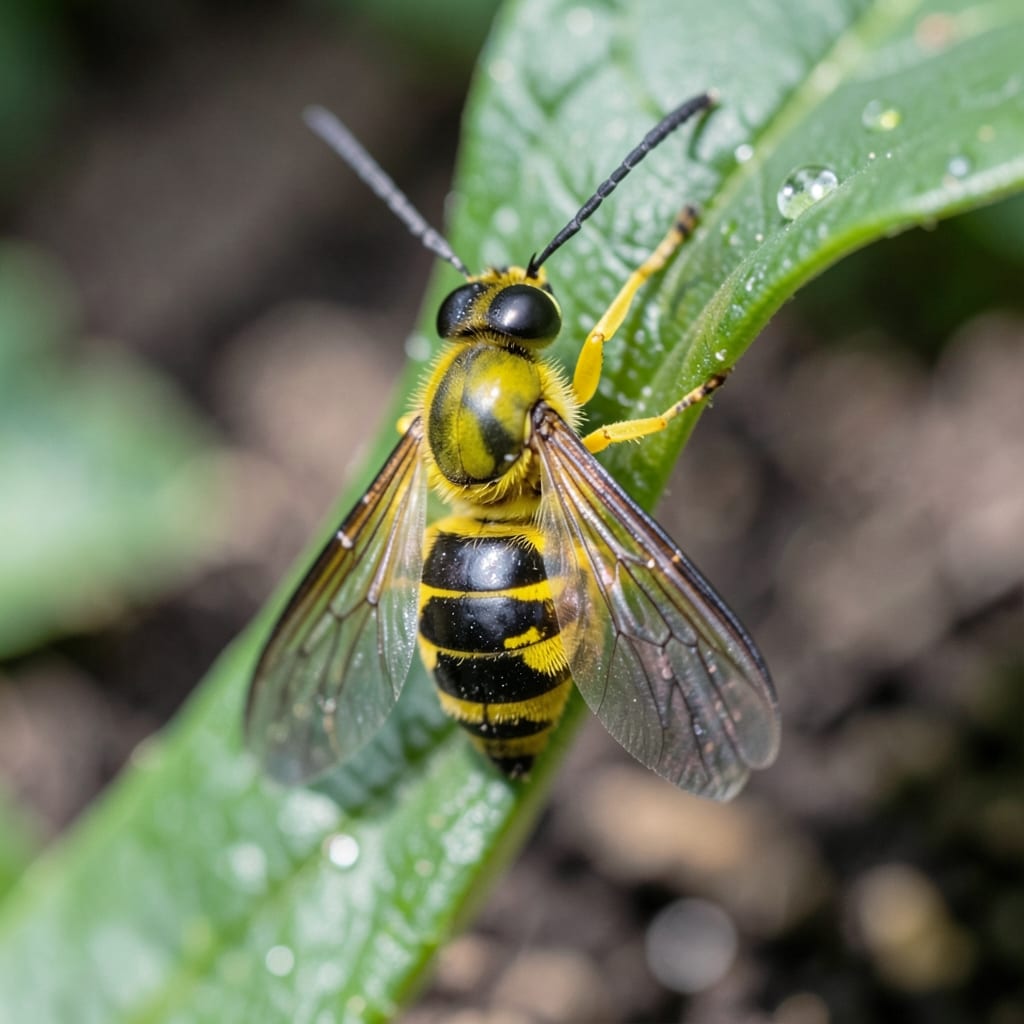
That buzzing sound near your picnic isn’t friendly. Yellow jackets turn gardens into battle zones, especially in late summer when colonies peak at thousands of aggressive workers.
I learned the hard way that swatting makes them angrier. These insects nest underground or in wall voids, and they’ll defend their turf repeatedly. Unlike bees, they can sting over and over.
Here’s the thing—prevention beats reaction every time. Sealing trash cans, removing fallen fruit, and setting traps early in the season keeps their numbers down.
When they do appear, stay calm and move away slowly. A quick response plan saves you from painful stings and potential allergic reactions.
Yellow jackets are naturally defensive insects, and their stinging behavior is often a reaction to perceived threats. Understanding the triggers can help you avoid provoking them. Below are the primary causes of yellow jacket aggression and stings.
Yellow jackets are scavengers with a strong attraction to proteins and sugars. Picnics, open trash cans, or uncovered food—especially meats, sodas, and fruits—can draw them in. Unlike bees, they can sting repeatedly, making outdoor dining risky if they feel their food source is threatened.
These insects build nests in underground burrows, tree stumps, or wall voids. Accidentally stepping on a nest or disturbing it while gardening can trigger a swarm response. They release pheromones to alert others, leading to coordinated attacks to defend their colony.
Wearing bright-colored clothing or floral prints can mistakenly signal to yellow jackets that you’re a flower. This may provoke investigative behavior, increasing the risk of a sting if they feel threatened by sudden movements.
During hot, dry periods, yellow jackets seek moisture from puddles, pet bowls, or even sweaty skin. Crowding around these sources can make them aggressive, especially if they perceive competition for the resource.
Dealing with yellow jacket stings or infestations requires quick action and smart prevention. Here’s how to handle common issues and keep these aggressive insects at bay.
Pro tip 💡: Yellow jackets are most aggressive in late summer and early fall. Stay vigilant during these peak months!
They have bright yellow and black stripes with a thin waist, unlike bees which are fuzzier. Their flights are also more erratic and they don’t lose their stingers when attacking.
Colonies peak in size by August and food becomes scarce. This makes them more defensive and likely to swarm when disturbed.
No—disturbing a nest can trigger a massive attack. Always call a professional exterminator, especially for large or hidden nests.
Stay still and slowly move away. Swatting or panicking can provoke an attack. Cover food immediately to avoid attracting more.