
Beautiful Plants For Your Interior
Beautiful Plants For Your Interior
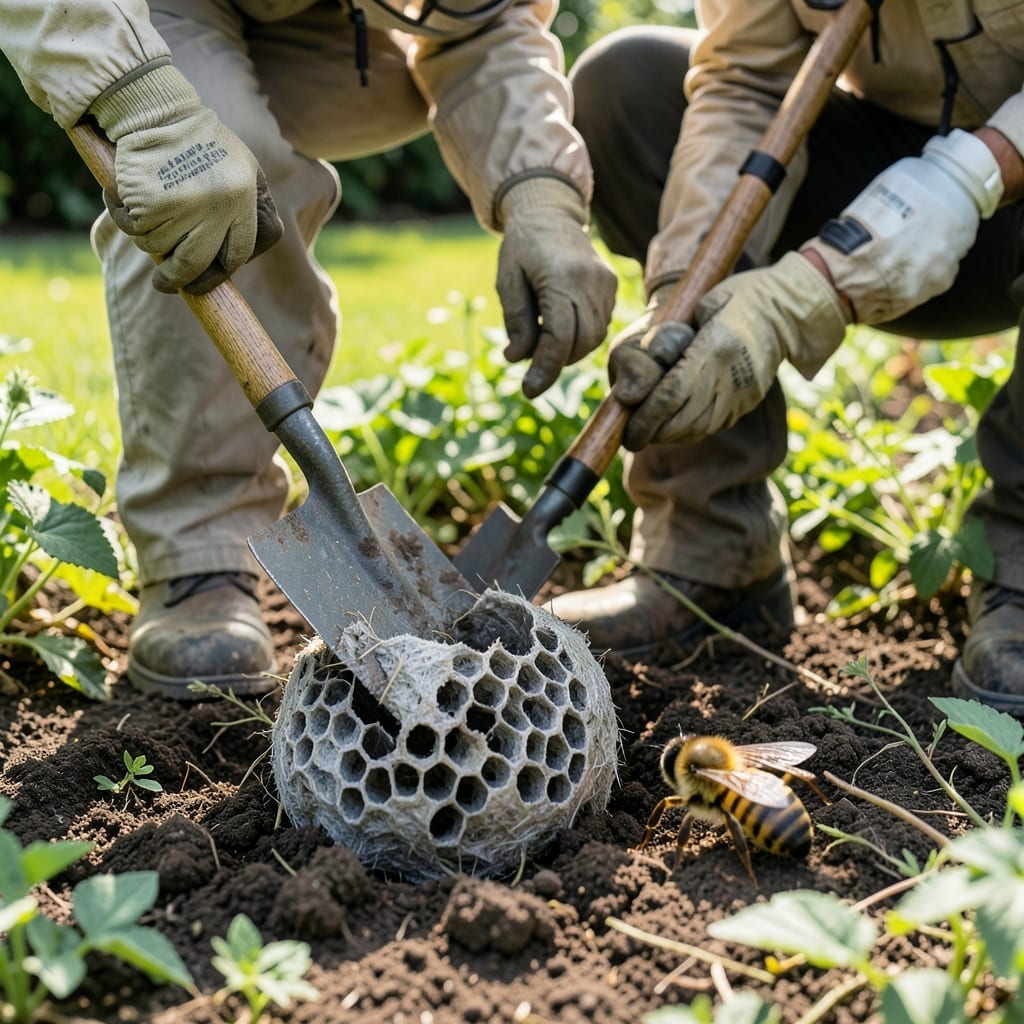
I found my first yellow jacket nest while mowing the lawn. The ground literally buzzed beneath me, and I knew I had a problem that needed solving—fast and safely.
These insects don’t mess around, and disturbing their home can turn a peaceful afternoon into a painful lesson. I’ve learned the hard way that DIY solutions often backfire, but there are proven methods that work without putting you in danger.
By the time you finish here, you’ll know how to identify the nest, choose the right time to act, and remove it without getting stung. The key is patience and the right approach.
This works for any yard, any season, and any level of infestation. Here’s how to take back your outdoor space.
Yellow jackets often build nests underground due to a combination of biological instincts and environmental factors. Understanding these causes can help you prevent or address infestations more effectively.
Yellow jackets are ground-nesting wasps by nature. Unlike paper wasps that build aerial nests, yellow jackets seek protected, subterranean cavities to establish their colonies. Abandoned rodent burrows, gaps under rocks, or even dense vegetation provide ideal shelter from predators and harsh weather. This behavior is hardwired into their survival strategy, making basements, gardens, and lawns prime locations.
Loose, well-drained soil is a major attractant for nesting yellow jackets. They prefer sandy or loamy soils that are easy to excavate, allowing them to build extensive tunnel systems quickly. Areas with minimal compaction—such as flower beds, mulch piles, or untreated lawns—are especially vulnerable. Poorly maintained yards with bare patches or exposed roots further encourage nesting.
Yellow jackets are scavengers, and their nest locations often correlate with access to food sources. Outdoor dining areas, uncovered trash bins, or fallen fruit from trees can draw them in. Once they identify a reliable food supply, they’ll establish nests nearby to minimize travel. This is why picnics, BBQs, and compost piles can inadvertently invite an infestation.
Warm temperatures and mild winters can lead to earlier and more aggressive nesting. In regions with extended warm seasons, yellow jacket colonies grow larger and faster, increasing the likelihood of ground nests. Additionally, late-summer droughts may drive them to seek moisture-rich underground environments, further incentivizing subterranean nesting.
Dealing with a yellow jacket ground nest requires caution, but these practical solutions will help you reclaim your yard safely. Always prioritize protection and act at the right time for best results.
Yellow jackets are less aggressive after dark. Spray insecticide directly into the nest entrance at dusk or night when most wasps are inside. Use a product labeled for ground-nesting wasps, and wear protective clothing, including gloves and a veil. Reapply as needed until activity stops.
For a chemical-free approach, mix dish soap with hot water in a spray bottle. The soapy water clogs their breathing pores, killing them on contact. Spray generously into the nest entrance at night. This method works best for smaller nests.
If the nest is large or in a hard-to-reach area, hire a pest control expert. Professionals have the tools and protective gear to remove the nest safely without risking stings or incomplete eradication.
By acting quickly and safely, you can eliminate the threat and keep your outdoor spaces wasp-free. ✨
Nighttime is best, as the insects are less active and most are inside. This reduces the risk of stings while treating.
Yes, a mix of dish soap and hot water can work for smaller nests. Spray it directly into the entrance at night.
Watch the entrance for 24-48 hours after treatment. If no activity appears, the nest is likely eliminated.
Incomplete eradication or nearby food sources may attract new ones. Seal trash and inspect for hidden nests.