
Beautiful Plants For Your Interior
Beautiful Plants For Your Interior
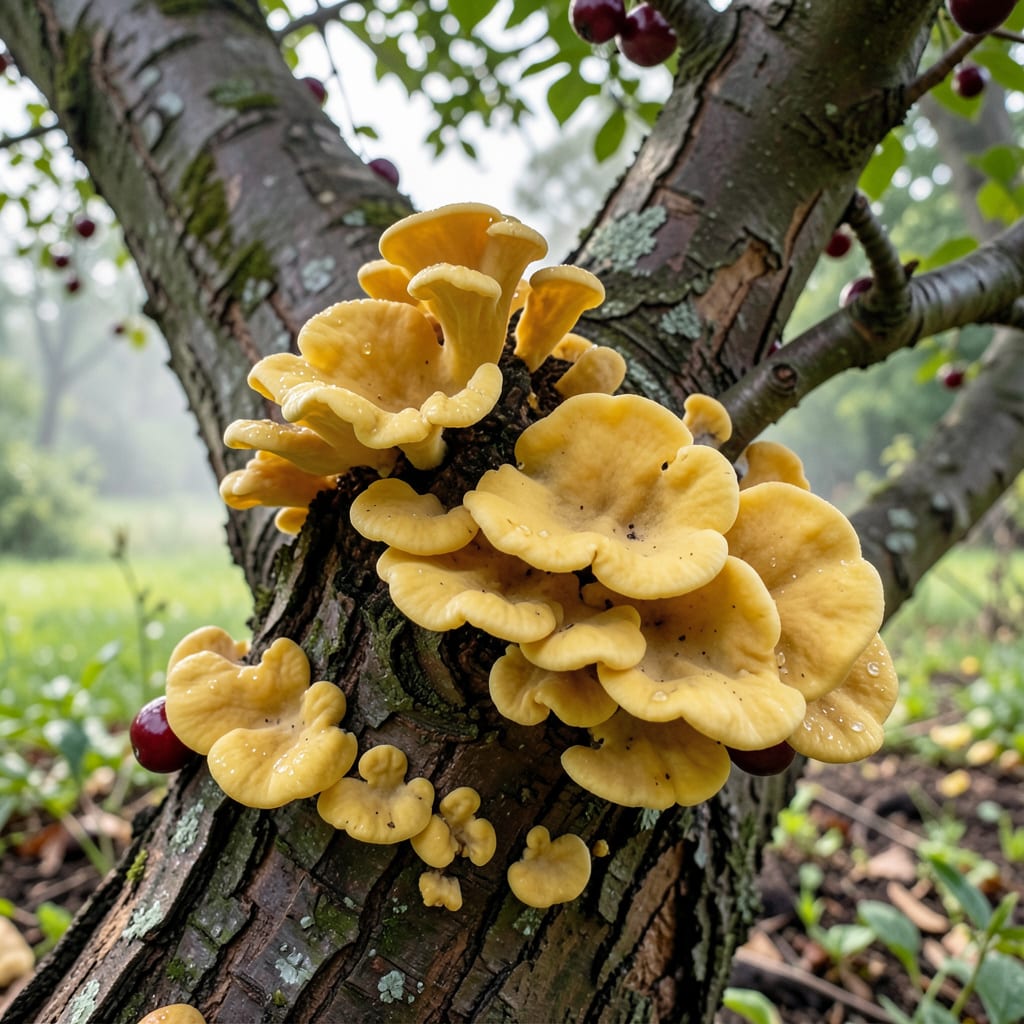
That yellow fungus on your cherry tree isn’t just ugly—it’s a warning sign. I’ve seen healthy trees decline fast when this spreads, but the good news is it’s treatable if you act quickly.
This usually starts as powdery spots or crusty growth on leaves and branches. Left unchecked, it weakens the tree, reduces fruit, and can kill branches. The culprit is often peach leaf curl or canker fungi, thriving in wet conditions.
Organic sprays like copper or neem oil work if applied at the right time. Prune infected branches immediately and clean up fallen leaves to stop the spread.
With the right approach, your tree can recover and produce healthy fruit next season. Here’s exactly how to handle it.
Yellow fungus on cherry trees is often a sign of underlying issues that create the perfect conditions for fungal growth. Below are the primary causes, explained with actionable insights to help you address the root of the problem.
Fungi thrive in damp environments. Overwatering, poor soil drainage, or prolonged rainy weather can lead to waterlogged roots and foliage, creating an ideal breeding ground for Fusarium or Verticillium fungi. These pathogens often manifest as yellowing leaves or fungal growth. Action: Improve drainage by amending soil with organic matter and avoid overhead watering to keep foliage dry.
Dense canopies or overcrowded planting restrict airflow, trapping moisture around leaves and branches. This stagnant, humid microclimate encourages fungal spores to settle and multiply. Action: Prune cherry trees annually to open the canopy and promote air circulation. Space trees appropriately during planting to prevent overcrowding.
Soil-borne fungi like Armillaria (honey fungus) can infect cherry trees through their roots, leading to yellowing foliage and stunted growth. These pathogens often linger in contaminated soil or infected plant debris. Action: Remove and destroy infected plant material, and consider solarizing soil or applying beneficial fungi (e.g., Trichoderma) to outcompete harmful pathogens.
Fluctuating temperatures, especially warm days followed by cool, humid nights, can stress cherry trees and make them more susceptible to fungal infections. High humidity levels further exacerbate the problem. Action: Monitor local weather patterns and use mulch to regulate soil temperature. In humid climates, opt for fungus-resistant cherry tree varieties.
Tackle yellow fungus on your cherry tree with these targeted solutions. Address the root cause to restore health and prevent future outbreaks.
Fungus thrives in damp, stagnant conditions. Prune dense branches to improve airflow and reduce humidity. Remove:
Prevention tip: 💡 Space trees at least 15–20 feet apart when planting to ensure long-term circulation.
Avoid overhead watering, which leaves foliage wet for hours. Instead:
Prevention tip: 🌡️ Mulch with 2–3 inches of organic material to retain soil moisture and prevent splash-back onto leaves.
For active infections, use these organic options:
Prevention tip: ✨ Remove and destroy fallen leaves and debris in autumn to eliminate overwintering spores.
A stressed tree is more susceptible to fungus. Strengthen your cherry tree by:
Prevention tip: 🎯 Avoid high-nitrogen fertilizers late in the season, as they promote tender growth that’s fungus-prone.
Yes, if left untreated, it can weaken the tree and reduce fruit production. Severe cases may even kill branches.
You can, but organic options like neem oil or copper sprays are safer for the tree and environment. Always follow label instructions.
Early spring before symptoms appear is ideal for prevention. For active infections, treat immediately and reapply after rain.
Remove infected branches with sterilized tools and destroy them. This prevents spores from spreading further.
