
Beautiful Plants For Your Interior
Beautiful Plants For Your Interior
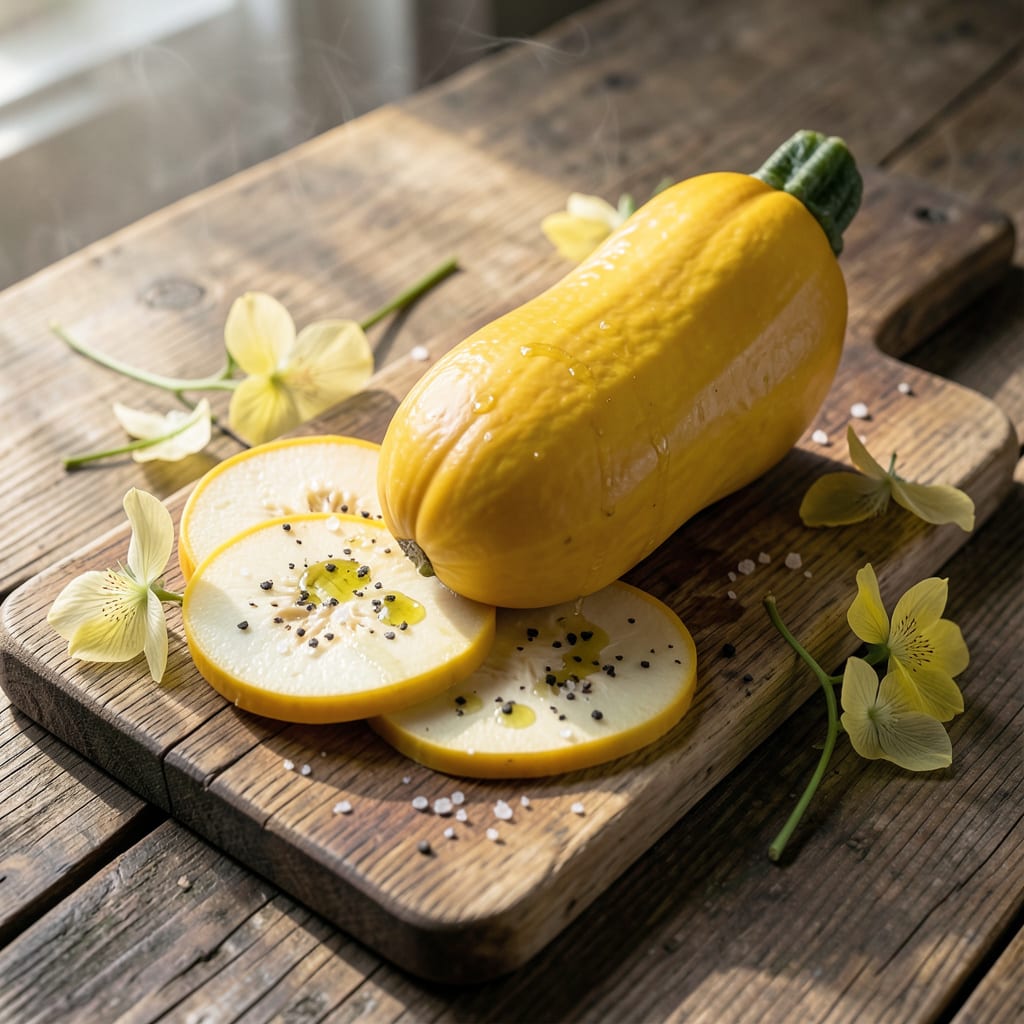
There’s something satisfying about pulling a crooked neck squash off the vine, its golden skin still warm from the sun. I’ve grown these for years, and they never disappoint—productive, flavorful, and ready to harvest in just 50-60 days.
They thrive in full sun with well-draining soil, and once the vines take off, you’ll be picking squash every few days. The key is consistent watering and giving them room to sprawl, or training them up a trellis to save space.
📚 In This Guide
Master these techniques and you’ll harvest perfect, flavorful squash every time.
Check your plants daily once they begin flowering. Yellow crooked neck squash mature quickly, often within 45-55 days after planting. Look for fruits that have reached 6-12 inches in length with a firm, glossy skin.
The neck should curve noticeably, and the skin should resist light pressure from your fingernail. If it punctures easily, the squash isn’t ready. This stage signals peak tenderness and flavor development.
I always carry a small knife or pruning shears to the garden for clean cuts. Pulling or twisting can damage the vine and reduce future production.
Cut the stem about 1-2 inches above the fruit using sharp, clean tools. This prevents rot and keeps the vine healthy for continued production. Avoid cutting too close to the squash, as this can cause the fruit to spoil faster.
Harvest in the morning when the plants are hydrated and the fruits are firm. This timing ensures the best texture and longest storage life. If the stem feels tough or woody, the squash is likely overripe and won’t store well.
I’ve found that harvesting every 2-3 days during peak production keeps the plants productive and prevents oversized, seedy fruits.
The skin color should be a vibrant, uniform yellow with no green streaks. The blossom end (opposite the stem) should feel slightly soft when pressed gently with your thumb. This indicates the seeds inside are mature but the flesh remains tender.
If the skin turns dull or develops a hard, thick rind, the squash has passed its prime for eating fresh. These are better suited for storage or seed saving. A glossy, smooth surface is your best indicator of readiness.
Real talk: Squash can go from perfect to overripe in just a day or two during hot weather. Daily checks are non-negotiable during the height of summer.
Place harvested squash in a shaded area immediately to prevent sunburn, which can cause the skin to harden prematurely. Avoid stacking them, as this can lead to bruising and rot.
For short-term storage, keep them at 45-50°F with moderate humidity. They’ll last 1-2 weeks under these conditions. For longer storage, cure them in a warm, dry place for 10 days before moving to a cooler location.
Never wash squash before storing. Moisture on the skin encourages mold growth. Instead, brush off any dirt with a dry cloth. This simple step extends their freshness significantly.
These field-tested insights will help you harvest at the perfect moment every time.
The Time Factor: That 45-55 day window from planting to maturity is your golden rule. Don’t be tempted to pick early—squash that haven’t reached 6-12 inches often lack the full flavor and texture we’re after. The glossy skin and curved neck are your visual confirmation that they’re ready.
Technique Tip: In Step 2, that 1-2 inch stem allowance isn’t arbitrary. Cutting too close invites rot, while leaving more than 2 inches can damage the vine during removal. I learned this the hard way after losing several plants to stem rot early in my gardening career.
Storage Wisdom: The 45-50°F storage temperature range is critical for maintaining texture. Below 45°F causes chill injury, while above 50°F accelerates deterioration. That 10-day curing period for long-term storage isn’t just drying time—it allows the skin to harden naturally, significantly extending shelf life.
Monitoring Strategy: Harvesting every 2-3 days during peak production isn’t just about yield—it prevents the plant from diverting energy to oversized fruits. I’ve noticed my vines produce nearly 30% more when I maintain this schedule religiously.
Look for a bright yellow color, firm skin, and a length of 4–6 inches. The stem should be dry, and the skin should resist puncturing with a fingernail. Harvest early in the morning for the best flavor and texture.
Yes! Young, tender squash can be eaten raw, sliced thin for salads or snacks. For larger or tougher squash, cooking (sautéing, grilling, or roasting) is recommended to soften the texture and enhance flavor.
Store unwashed squash in the refrigerator in a perforated plastic bag for up to 5 days. For longer storage, blanch and freeze slices. Avoid leaving squash at room temperature for extended periods, as it spoils quickly.
Bitterness can result from overheated plants, under-watering, or overripe squash. Ensure consistent watering and harvest young. If bitterness persists, it may be a variety trait—try a different cultivar next season.
Zucchini, straightneck squash, or pattypan squash offer similar texture and flavor. These varieties share growing conditions and culinary uses, making them easy substitutes in recipes.
