
Beautiful Plants For Your Interior
Beautiful Plants For Your Interior
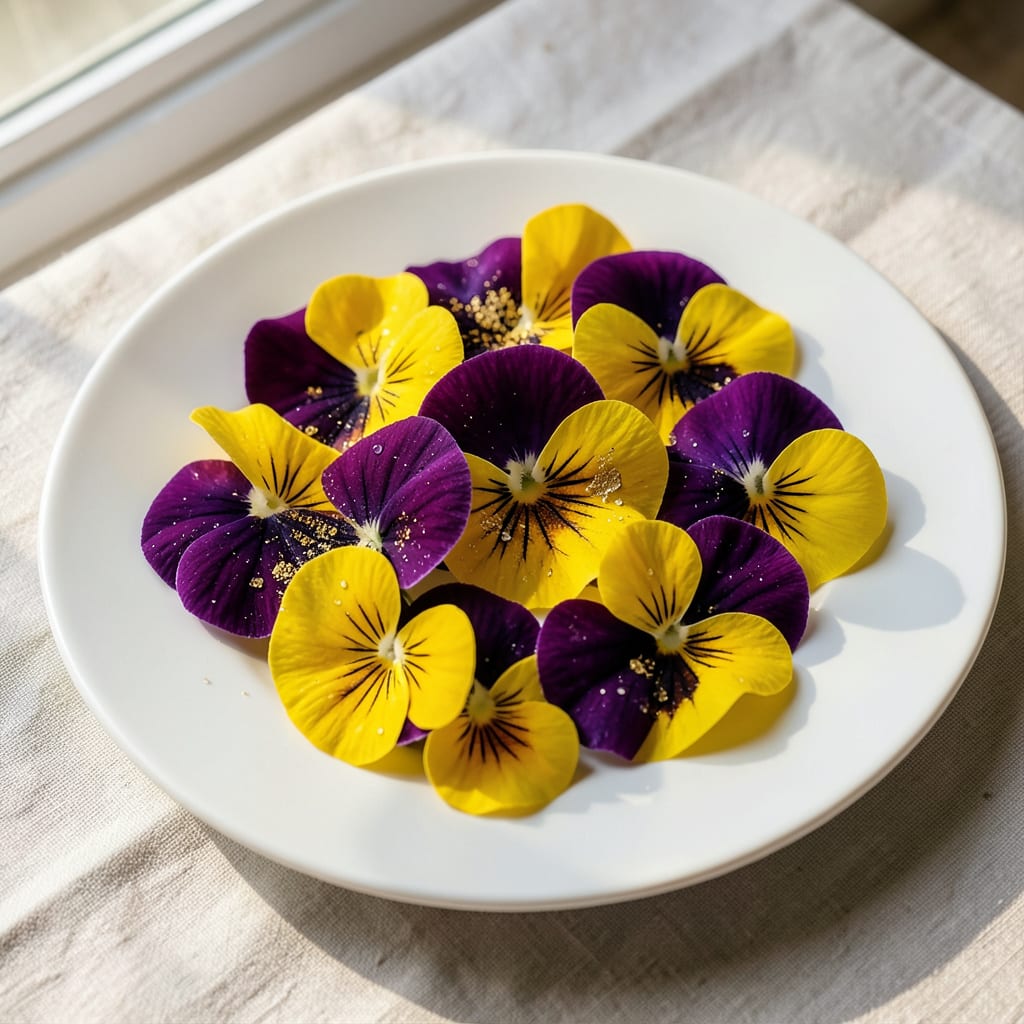
There’s something magical about pansies with their cheerful yellow and deep purple faces. 🌿 I’ve been growing these cold-hardy flowers for years, and they never fail to brighten up my garden beds and containers.
You’ll love how they thrive in cool weather, bloom profusely, and even add a pop of color to salads. With minimal care, they’ll reward you with months of vibrant blooms that keep coming back.
📚 In This Guide
Here’s the method I use to grow vibrant, edible blooms that thrive in cool weather.
Select a spot with full sun to partial shade—pansies prefer 6+ hours of morning sun but appreciate afternoon shade in warmer climates. I’ve found they bloom most prolifically in areas protected from harsh midday heat.
Ensure the soil is well-draining and rich in organic matter. If planting in containers, use a quality potting mix. Pansies won’t tolerate soggy roots, so avoid low-lying areas where water pools.
Sow seeds ¼ inch deep and space them 6-8 inches apart if planting directly in the garden. For container planting, use a pot at least 8 inches deep with drainage holes. I like to plant in clusters of 3-4 for a full, bushy look.
Gently press the soil around the base of each plant to eliminate air pockets. Water immediately after planting to help settle the soil. If starting from transplants, loosen the roots slightly before placing them in the hole.
Keep the soil evenly moist but not waterlogged. I water when the top inch of soil feels dry to the touch. Always water at the base of the plant to avoid wetting the leaves, which can lead to fungal issues.
In hot weather, you may need to water daily, but in cooler temperatures, every 2-3 days is usually sufficient. Mulching around the plants helps retain moisture and keeps roots cool.
Feed pansies every 2-3 weeks with a balanced, water-soluble fertilizer to encourage continuous blooming. I’ve had great results with a 10-10-10 formula diluted to half strength. Avoid over-fertilizing, as it can lead to excessive leaf growth at the expense of flowers.
Deadhead spent blooms regularly to promote new flower production. This is the moment that matters: the more you remove faded flowers, the more your plants will reward you with fresh ones.
Pick pansies in the morning when their petals are fresh and fully open. Use clean, sharp scissors to snip the flowers just above the foliage. I always leave some blooms on the plant to ensure continuous production.
Rinse the flowers gently under cool water if they’ll be used for culinary purposes. They’re perfect for garnishing salads, desserts, or even freezing into ice cubes for a decorative touch. Real talk: they have a mild, slightly sweet flavor that pairs beautifully with both savory and sweet dishes.
These small details make a big difference in growing healthy, blooming pansies.
Light and Location: Pansies thrive with those 6+ hours of morning sun mentioned in Step 1. If you’re in a warmer climate, don’t skip the afternoon shade—it prevents wilting. I learned this the hard way after losing a few plants to midday heat.
Planting Depth: Stick to that ¼ inch deep rule from Step 2. Planting too deep can smother the seeds, while too shallow may expose them to drying out. Trust me, precision here leads to stronger sprouts.
Watering Wisdom: The top inch of soil test in Step 3 is your best guide. If you’re unsure, stick your finger in the soil—if it feels dry at that depth, it’s time to water. Overwatering is just as harmful as underwatering for pansies.
Fertilizing Schedule: That 2-3 weeks interval in Step 4 is key for continuous blooms. Set a reminder on your phone—consistency here keeps your pansies flowering all season long.
Yes! Both the petals and leaves of yellow and purple pansies are edible. They have a mild, slightly peppery flavor and are often used to garnish salads, desserts, or drinks. Always ensure they’re pesticide-free before consuming.
Plant them in early spring or fall. Pansies thrive in cooler temperatures (50–60°F) and can tolerate light frost, making them ideal for seasonal gardens.
Keep soil moist but well-drained, and place them in partial to full sunlight. Deadhead spent blooms regularly to encourage continuous flowering.
Yes, but they need bright light (a south-facing window works best). Use well-draining potting mix and water when the top inch of soil feels dry.
Lack of sunlight, over-fertilizing, or extreme heat can hinder blooming. Ensure they get 6+ hours of light, avoid high-nitrogen fertilizers, and provide afternoon shade in hot climates.
