
Beautiful Plants For Your Interior
Beautiful Plants For Your Interior
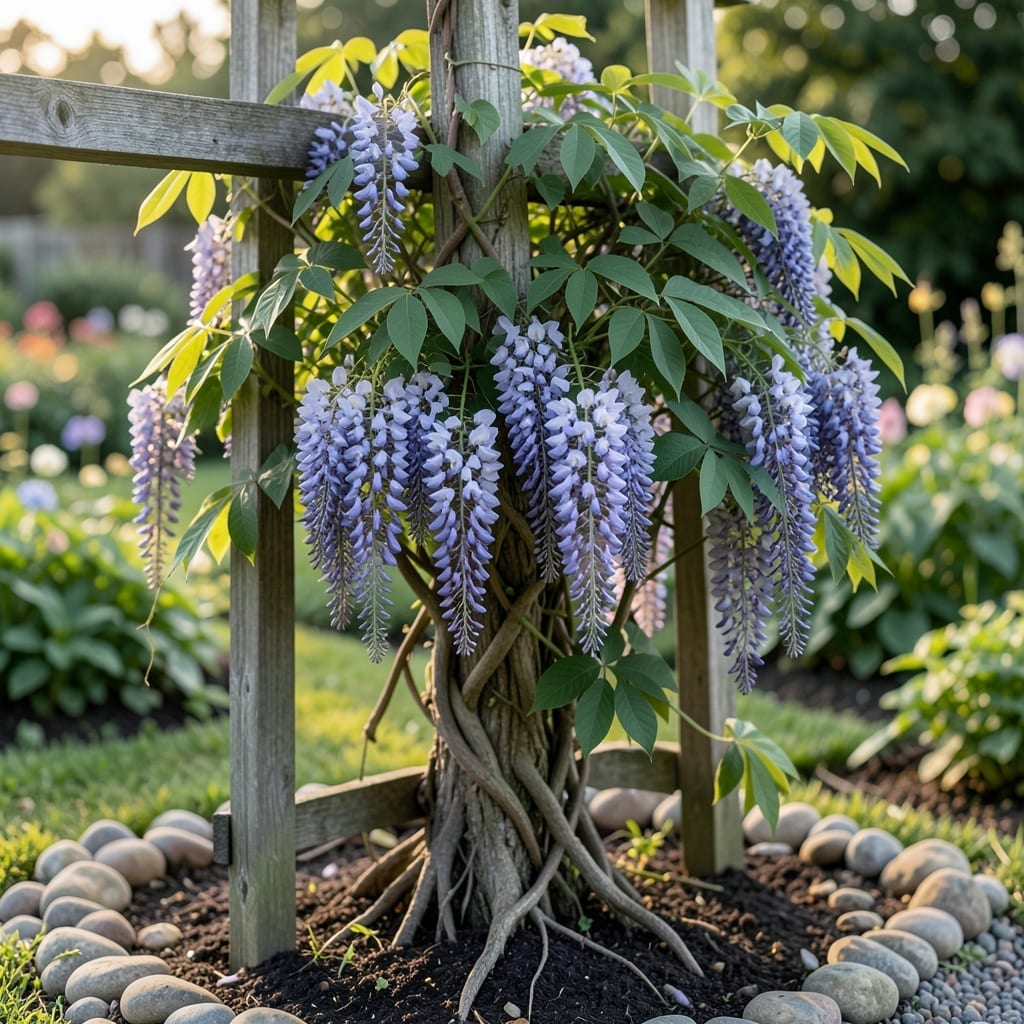
Those curled leaves on your wisteria aren’t just unsightly—they’re a warning sign. I’ve seen healthy vines turn into twisted messes overnight when this issue strikes.
It usually starts with subtle changes: edges turning under, leaves looking puckered. Before you know it, the whole plant looks stressed and stunted. The good news is this is fixable with early action.
Organic solutions work surprisingly well here. A few simple adjustments to care and environment can reverse the damage. Your wisteria can bounce back with vibrant green foliage within weeks.
Prevention is even easier than treatment. Once you know what to watch for, you’ll spot trouble before it starts. Here’s how to keep your vine thriving.
Wisteria leaf curl can be alarming, but understanding the root causes helps you tackle it effectively. Below are the most common triggers, each with a clear explanation to guide your next steps.
Fungal pathogens like Phytophthora or Pseudoperonospora thrive in damp, poorly ventilated conditions. These fungi invade leaf tissues, disrupting cell structure and causing the telltale curling. Overhead watering or crowded planting exacerbates the issue, as moisture lingers on foliage.
Extreme temperature swings—especially sudden cold snaps or heatwaves—can stress wisteria, leading to leaf deformation. Drought conditions may also force leaves to curl as a survival mechanism to reduce water loss.
Infestations of aphids, mites, or scale insects sap plant juices, weakening the foliage. Their feeding disrupts nutrient flow, often resulting in curled or distorted leaves. Check the undersides of leaves for tiny pests or sticky residue (honeydew).
A lack of essential nutrients, particularly magnesium or potassium, can manifest as leaf curl. These minerals are vital for cell wall strength and water regulation. Yellowing between leaf veins often accompanies this issue.
Overuse of herbicides or improperly applied fertilizers may cause chemical burn, leading to leaf curling. Even drift from nearby lawn treatments can be harmful. Always follow label instructions and avoid spraying on windy days.
Leaf curl in wisteria is often fixable with the right approach. Below are targeted solutions for common causes, along with prevention tips to keep your plant thriving.
If the curl is caused by Peony leaf blotch or other fungi:
💡 Prevention: Water at the base (not overhead) and avoid late-evening irrigation to reduce moisture on leaves.
Heat, drought, or poor drainage can trigger curling:
💡 Prevention: Plant in well-draining soil and choose a location with dappled sunlight for young vines.
Yellowing or curling leaves may signal a lack of nitrogen or potassium:
💡 Prevention: Feed annually and monitor leaf color for early signs of deficiency.
Aphids, spider mites, or scale can cause curling by sucking sap:
💡 Prevention: Inspect leaves weekly and encourage biodiversity in your garden to deter pests.
Fungal-based curl can spread to nearby plants if left untreated. Isolate affected vines and remove infected leaves immediately. Always sterilize pruning tools between cuts to prevent cross-contamination.
With proper care, new growth typically appears within 2-3 weeks. Severely damaged leaves may not recover, but the plant will produce healthy foliage once the underlying issue is resolved.
Yes, overwatering leads to root rot which stresses the plant. This stress often manifests as curled or yellowing leaves. Ensure soil drains well and water only when the top 2 inches are dry.