
Beautiful Plants For Your Interior
Beautiful Plants For Your Interior
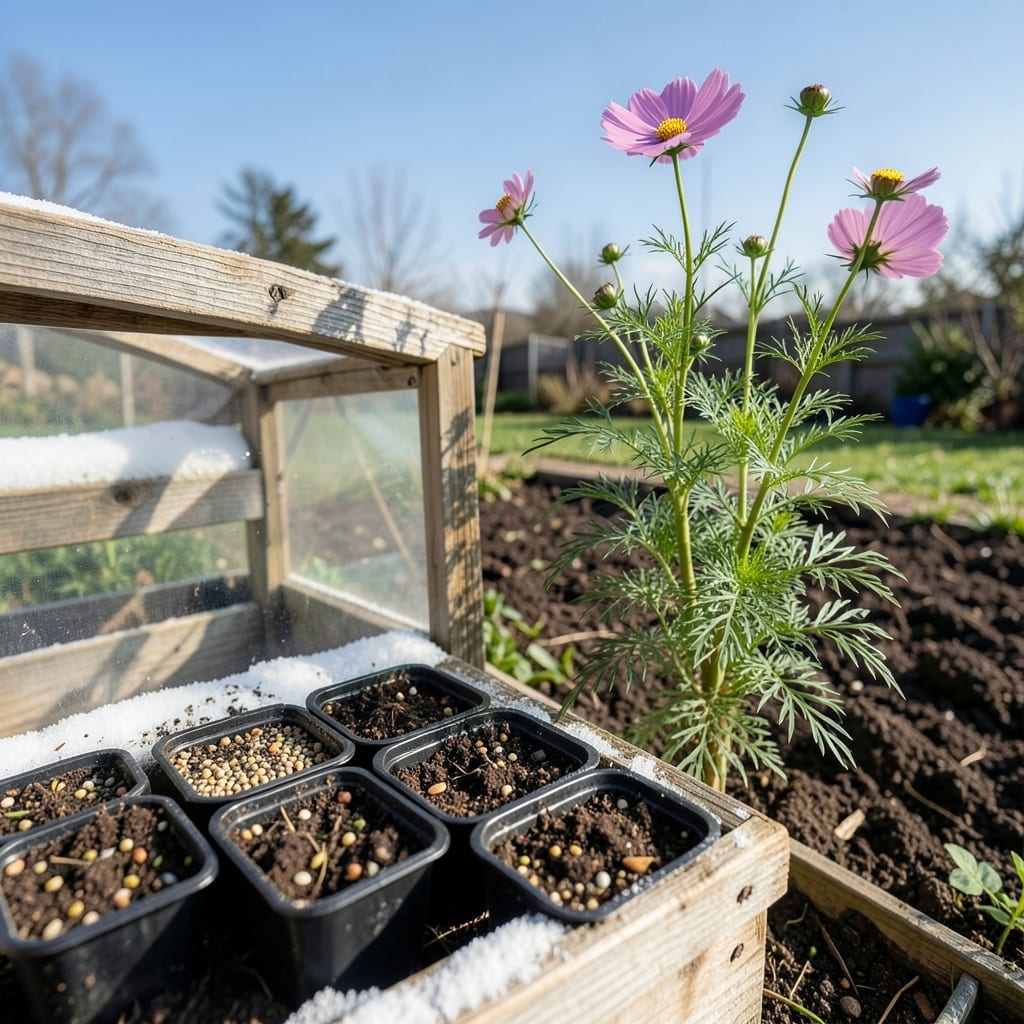
Winter sowing cosmos lets you harness the cold to produce earlier, hardier blooms with minimal effort. This simple technique mimics nature’s stratification process, giving your garden a vibrant head start.
I’ve found that starting cosmos seeds during the colder months results in stronger plants that bloom sooner when spring arrives. It’s a game-changer for gardeners in zone 6a looking to extend their growing season.
The 🌼 Cosmos thrives when sown in January or February, as the seeds naturally adapt to the cold. This method reduces transplant shock and ensures your flowers are ready to shine by summer.
Discover how to use winter’s chill to your advantage and enjoy a garden full of color earlier than ever. Let’s break down the steps to make it happen.
I love how winter sowing cosmos lets nature do the hard work for you. By planting seeds in cold frames or recycled containers during winter, you’re giving them the stratification they need to thrive.
This method works because cosmos seeds naturally germinate after a cold period. The freezing and thawing cycles break their dormancy, resulting in stronger seedlings that bloom earlier in spring.
The best time to winter sow cosmos is 8-12 weeks before your last frost date. For most zones, this means January or February. The seeds will germinate when conditions are right.
Use shallow containers like milk jugs or takeout trays. Poke drainage holes in the bottom to prevent root rot. I prefer clear containers so I can monitor moisture levels.
Cosmos are drought-tolerant once established, but during germination, keep the soil evenly moist. Snow and rain usually provide enough water, but check occasionally during dry spells.
One advantage of winter sowing is that it produces hardier plants. The seedlings are already acclimated to outdoor conditions, so they experience less transplant shock when moved to the garden.
When your cosmos seedlings have 2-3 true leaves, they’re ready to transplant. Space them 12-18 inches apart in well-draining soil with full sun exposure for best results.
Remember that cosmos are fast growers. From seed to bloom often takes just 60-90 days. With winter sowing, you’ll see those cheerful blooms weeks earlier than with spring planting.
This method also prevents overcrowding that can happen with indoor starts. Each container holds just a few seeds, giving your cosmos the space they need to develop strong roots.
I’ve found that winter-sown cosmos often outperform those started indoors. They develop stronger stems and are better prepared for outdoor conditions from day one. ☀️
Not all cosmos varieties handle winter sowing equally. I’ve found Sensation and Bright Lights thrive best, as they’re naturally cold-tolerant and germinate reliably after stratification. These types often bloom earlier too.
For unique textures, Sea Shells offers quilled petals but may need a bit more warmth. I recommend sticking to hardy types if you’re in USDA Zone 6 or colder. Always check your local frost dates for timing.
| Variety | Cold Hardiness | Bloom Time |
|---|---|---|
| Sensation | Excellent | Early summer |
| Bright Lights | Very Good | Mid-summer |
| Sea Shells | Good | Late summer |
The Sensation series is my top pick for beginner gardeners. Its seeds germinate quickly after cold treatment, and the plants reach 2-4 feet tall with minimal care. They’re also drought-tolerant once established.
Bright Lights offers stunning bicolor blooms in shades of pink, orange, and yellow. I love how these attract pollinators like bees and butterflies. They prefer full sun but tolerate partial shade in hotter climates.
For something different, Sea Shells has unique tubular petals but may need extra protection in harsh winters. I’ve had best results sowing these in late winter rather than deep winter.
Remember, seed quality matters. I always choose fresh seeds from reputable suppliers and store them in a cool, dry place until sowing time. This ensures better germination rates.
Experiment with different varieties to see which perform best in your microclimate. I’ve found that even within the same garden, some spots may favor one type over another 🌼