
Beautiful Plants For Your Interior
Beautiful Plants For Your Interior
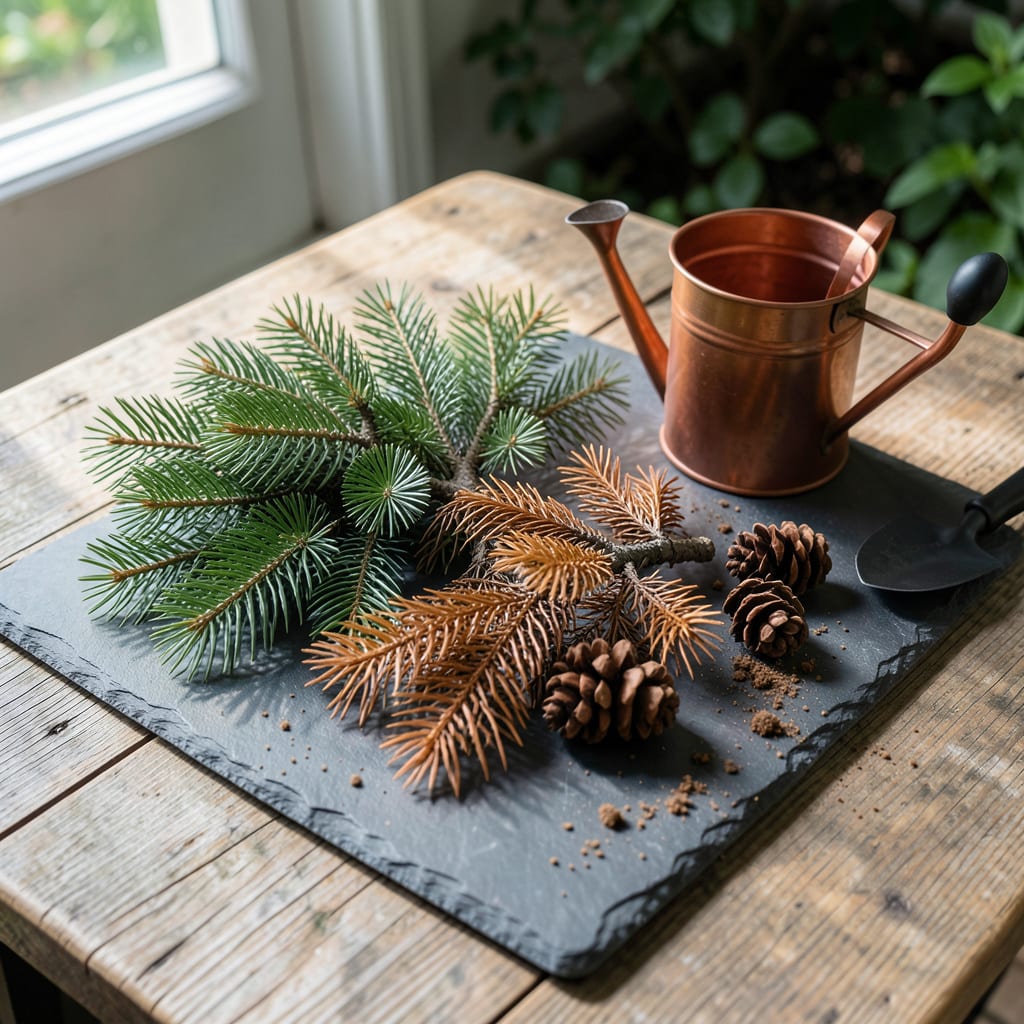
I first noticed the brown patches on my cedar in early summer. It wasn’t gradual—more like an overnight change that made my stomach drop. Cedar trees are tough, but even they have breaking points.
The usual suspects are drought stress, fungal infections, or pest infestations. Each leaves a different calling card: crispy needles for drought, spotted patterns for fungus, or sawdust-like frass for boring insects. I’ve learned to check the soil first.
Most browning is reversible with quick action. Proper watering, targeted sprays, or improved airflow can bring back that vibrant green within weeks. The key is diagnosing before the damage spreads.
Prevention beats panic every time. Once you know what to look for, you’ll spot trouble before it takes hold. Early intervention saves trees—and headaches.
Cedar trees turn brown for several reasons, often tied to environmental stressors or pests. Here’s a breakdown of the most common causes:
Cedars need consistent moisture, especially in hot climates. Prolonged dry spells or poor watering practices can cause needles to dry out and brown. Shallow roots make them particularly vulnerable to water deficits, so deep, infrequent watering is key.
Fungi like Phomopsis juniperovora or Kabatina thrive in wet, humid conditions. These pathogens infect foliage, leading to brown, blighted branches. Look for dark lesions or cankers on stems—prune infected areas immediately to halt the spread.
Spider mites, bagworms, or cedar bark beetles sap the tree’s vitality. Mites leave fine webbing, while beetles bore into bark, disrupting nutrient flow. Early intervention with horticultural oil or insecticides can prevent irreversible damage.
Harsh winters with freeze-thaw cycles or desiccating winds can scorch cedar foliage, turning it bronze or brown. Evergreens continue to lose water in cold months, and frozen roots can’t replenish it. Mulching and anti-desiccant sprays help protect vulnerable trees.
Once you’ve identified the cause, targeted action can bring your cedar back to its lush, green self. Here’s how to fix the most common issues and keep them from returning.
Fix: Stop watering immediately and let the soil dry out. If the area is waterlogged, improve drainage by amending the soil with compost or creating small channels to redirect excess water. For potted cedars, ensure the container has drainage holes.
Prevention: Water only when the top 2 inches of soil are dry. Use a moisture meter to avoid guesswork. 💡
Fix: Give your cedar a deep soak—1-2 inches of water per week, applied slowly to encourage deep root growth. Mulch around the base (keeping it 3-4 inches away from the trunk) to retain moisture.
Prevention: Set up a consistent watering schedule, especially during dry spells. Drip irrigation works great for even, efficient hydration. ✨
Fix: Spray the tree with neem oil or insecticidal soap, focusing on the undersides of leaves and browned areas. For severe cases, use a horticultural oil or consult a professional arborist.
Prevention: Inspect your cedar regularly for early signs of pests. Encourage beneficial insects like ladybugs by planting companion flowers nearby. 🎯
Fix: Prune away infected branches with sterilized shears (dip in rubbing alcohol between cuts). Apply a copper-based fungicide to the tree and surrounding soil. If root rot is suspected, dig up the tree, trim affected roots, and replant in fresh, well-draining soil.
Prevention: Avoid overhead watering to keep foliage dry. Space cedars properly for airflow, and clean up fallen debris promptly. 🌡️
Fix: Shield the tree from harsh conditions with burlap wraps or windbreaks. Rinse salt spray off foliage with fresh water if you live near a road. For heat stress, increase watering temporarily and provide afternoon shade if possible.
Prevention: Choose a sheltered planting spot from the start. In winter, wrap young cedars in burlap to protect against drying winds. ❄️
Provide 1-2 inches of water weekly, applied slowly to encourage deep root growth. Check soil moisture at 2-inch depth—water only when dry.
Dead, crispy branches won’t recover, but slightly discolored foliage may regreen with proper care. Prune dead sections immediately to redirect energy.
Apply a copper-based fungicide to affected areas and surrounding soil. Prune infected branches with sterilized tools to prevent spread.
Wrap young trees in burlap and use anti-desiccant sprays before cold snaps. Mulch heavily around the base for root insulation.
