
Beautiful Plants For Your Interior
Beautiful Plants For Your Interior
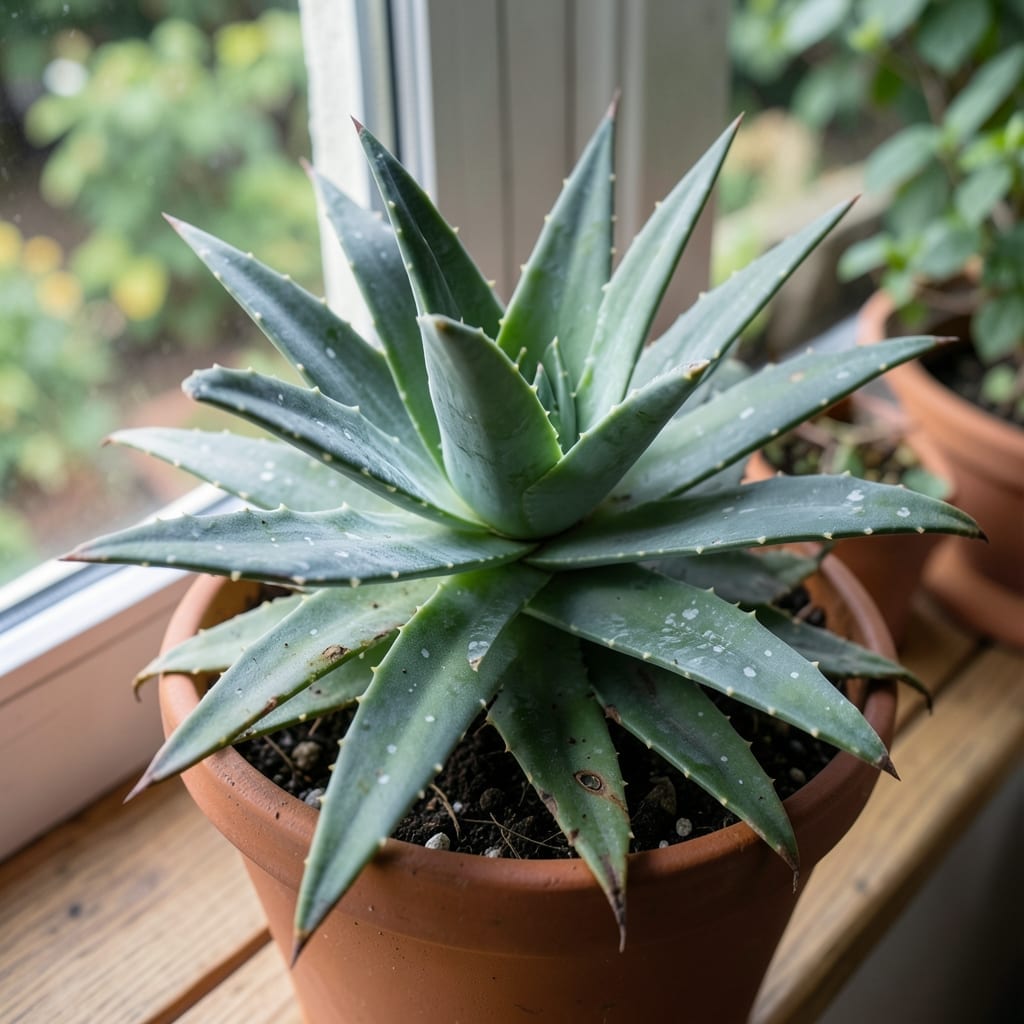
That squishy feeling in your aloe means trouble, and I’ve been there. Overwatering is usually to blame, turning firm, plump leaves into mushy, sad ones. It’s a common mistake—even I’ve done it.
Root rot sets in when soil stays soggy too long. Your plant’s roots can’t breathe, and the damage spreads upward. Yellowing leaves and a soft base are red flags you can’t ignore.
Here’s the good news: it’s fixable. Stop watering immediately, check the roots, and repot in fresh, dry soil. Your aloe can bounce back with the right care.
Prevention is simple: water only when the soil is bone-dry an inch down. Your aloe will thank you with firm, healthy leaves.
Your aloe plant’s squishy leaves are a red flag—here’s why it’s happening. 🌱
Too much water is the #1 culprit. Aloe plants are succulents, storing water in their thick leaves. When overwatered, the roots can’t absorb oxygen, leading to root rot. The leaves swell, turn mushy, and may even split. If the soil feels soggy or smells foul, overwatering is likely the issue.
Even if you water correctly, poor drainage can drown your aloe. Pots without drainage holes or dense, water-retentive soil trap moisture. This creates a stagnant environment where roots suffocate, and leaves soften. Always use a well-draining mix (like cactus soil) and pots with drainage holes.
Aloe plants thrive in warm, dry conditions. Cold drafts or sudden temperature drops (below 50°F/10°C) can cause cellular damage, making leaves squishy or waterlogged. Keep your plant in a stable, warm environment away from AC vents or icy windows.
Less common but possible: mealybugs, scale, or fungal infections can weaken the plant’s structure. These pests pierce the leaves, causing internal damage that leads to softness. Check for white cottony spots or black mold, and treat with neem oil or fungicide if needed.
If your aloe plant feels squishy, act fast to restore its health. Below are targeted fixes for the most common causes, along with prevention tips to keep it thriving. 🌱
Stop watering immediately and check the soil. If it’s soggy, remove the plant from its pot and gently shake off excess soil. Place it on a dry towel in a warm, shaded spot for 2-3 days to let the roots air out. Repot in fresh, well-draining cactus mix and a pot with drainage holes. Prevention tip: 💡 Water only when the top 2 inches of soil are completely dry—usually every 2-3 weeks.
If your pot lacks drainage holes, transfer your aloe to one that does. Use a terracotta pot (it wicks away moisture) and a gritty mix like perlite or sand to improve drainage. Elevate the pot on a saucer with pebbles to avoid waterlogging. Prevention tip: ✨ Always choose containers with drainage, even for decorative cache pots—just remove the plant to water.
If roots are black, mushy, or smell foul, they’re rotting. Trim away all affected roots with clean scissors, then repot the plant in fresh soil. Avoid watering for a week to let it recover. Prevention tip: 🌡️ Use a moisture meter to monitor soil dryness and prevent future overwatering.
Aloe plants need 6-8 hours of bright, indirect light daily. If yours is leggy or pale, relocate it near a south- or west-facing window. Rotate the pot weekly for even growth. Prevention tip: 🎯 If natural light is limited, supplement with a grow light for 10-12 hours a day.
Check for mealybugs or scale (white cottony spots or sticky residue). Wipe leaves with a damp cloth dipped in rubbing alcohol (70% isopropyl) to remove pests. For severe cases, use neem oil spray weekly until gone. Prevention tip: 🔥 Inspect new plants before bringing them home to avoid contamination.
Water only when the top 2 inches of soil are completely dry. This usually means every 2-3 weeks. Aloe stores water in its leaves, so less is more.
Yes, if you act quickly! Remove it from soggy soil, trim any black roots, and repot in fresh, dry cactus mix. Avoid watering for 1 week to help it recover.
Use a terracotta pot with drainage holes. Terracotta wicks away excess moisture, and drainage prevents waterlogging. Always elevate the pot to avoid standing water.
Yellow, mushy leaves signal root rot from overwatering. If the base feels soft and smells foul, the roots are likely damaged. Repot immediately in fresh soil.