
Beautiful Plants For Your Interior
Beautiful Plants For Your Interior
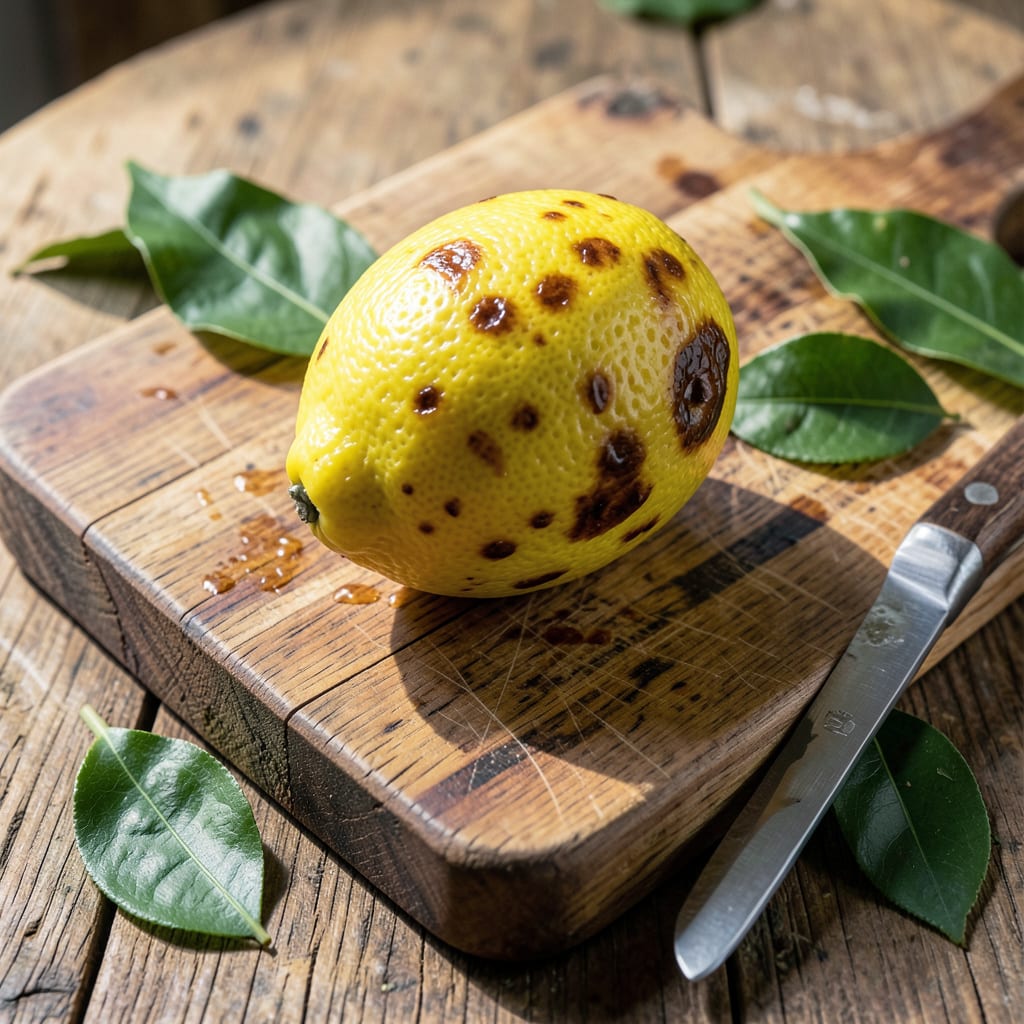
Spotted lemons on your tree can be alarming. I’ve seen brown spots ruin entire harvests, and the causes range from fungal infections to environmental stress.
The good news is most issues are preventable with proper care. Early detection and targeted solutions can save your crop before it’s too late.
You’ll learn to identify the specific problem affecting your lemons and implement simple fixes that restore plant health quickly.
Works for backyard trees, container lemons, or established orchards. Let’s diagnose and treat the issue.
Brown spots on lemons can stem from several underlying issues, often tied to environmental stress, disease, or improper care. Here’s a breakdown of the most common causes:
Lemons are sensitive to extreme temperatures. Cold injury (below 30°F/-1°C) can cause cell damage, leading to brown, sunken spots on the fruit. Conversely, heat stress (above 100°F/38°C) may trigger scorch-like blemishes as the fruit’s tissues dehydrate. Protect trees with frost cloth in winter and provide afternoon shade in scorching climates.
Inconsistent watering—either overwatering or drought stress—disrupts nutrient uptake, causing blossom-end rot or uneven brown patches. Lemons need deep, regular watering (1–2 inches per week) with well-draining soil to prevent root suffocation or moisture deficit.
Diseases like Alternaria brown spot or anthracnose thrive in humid conditions, creating dark, circular lesions. These fungi spread via spores in wet foliage. Improve air circulation, avoid overhead watering, and apply copper-based fungicides preventatively during rainy seasons.
Pests like scale insects or citrus leafminers pierce the fruit’s skin, leaving entry points for pathogens. Their feeding also causes localized browning. Inspect trees regularly and treat infestations with horticultural oil or neem oil.
A lack of calcium or boron can manifest as brown, corky spots. Test soil and amend with gypsum (for calcium) or borax (for boron) to restore balance. Over-fertilizing with nitrogen, however, may worsen the issue by promoting leafy growth at the expense of fruit health.
If your lemons are developing unsightly brown spots, don’t worry—most causes are treatable. Below are practical fixes for each common issue, along with prevention tips to keep your citrus healthy and vibrant.
For Alternaria brown spot or citrus canker, remove infected fruits and branches to stop the spread. Apply a copper-based fungicide (follow label instructions) every 10–14 days during wet seasons. Prevention: Improve air circulation by pruning dense foliage and avoid overhead watering. Sterilize pruning tools with rubbing alcohol between cuts.
If spots are from sunburn or frost damage, provide shade cloth during peak sun or cover trees with frost blankets in cold snaps. Ensure consistent watering—drought stress weakens trees. Prevention: Mulch around the base to retain moisture and regulate soil temperature.
For scale insects or mites, spray with neem oil or insecticidal soap, focusing on the undersides of leaves. Introduce beneficial insects like ladybugs for long-term control. Prevention: Inspect trees regularly and remove pests manually with a damp cloth or cotton swab dipped in alcohol.
Yellowing leaves with brown spots often signal a magnesium or zinc deficiency. Apply a citrus-specific fertilizer rich in micronutrients. For quick fixes, use Epsom salt (magnesium sulfate) as a foliar spray (1 tablespoon per gallon of water). Prevention: Test soil annually and amend as needed—citrus trees prefer slightly acidic soil (pH 6.0–7.0).
💡 Pro Tip: Always water at the base of the tree (not the leaves) to reduce fungal risks, and harvest lemons promptly to prevent overripe spots.
Small surface spots are usually harmless if the cause is environmental. Cut off affected areas to be safe. Avoid eating fruit with deep, mushy spots as these may indicate rot.
Ensure consistent watering, protect from extreme temperatures, and apply copper fungicide preventatively. Regularly inspect for pests and maintain good air circulation.
Fungal or bacterial spots can spread to nearby fruit if not treated. Remove affected lemons immediately and dispose of them away from the tree. Always sterilize pruning tools.
Early intervention can save most of your crop. Focus on treating the underlying cause and protecting healthy fruit with proper care techniques.
