
Beautiful Plants For Your Interior
Beautiful Plants For Your Interior
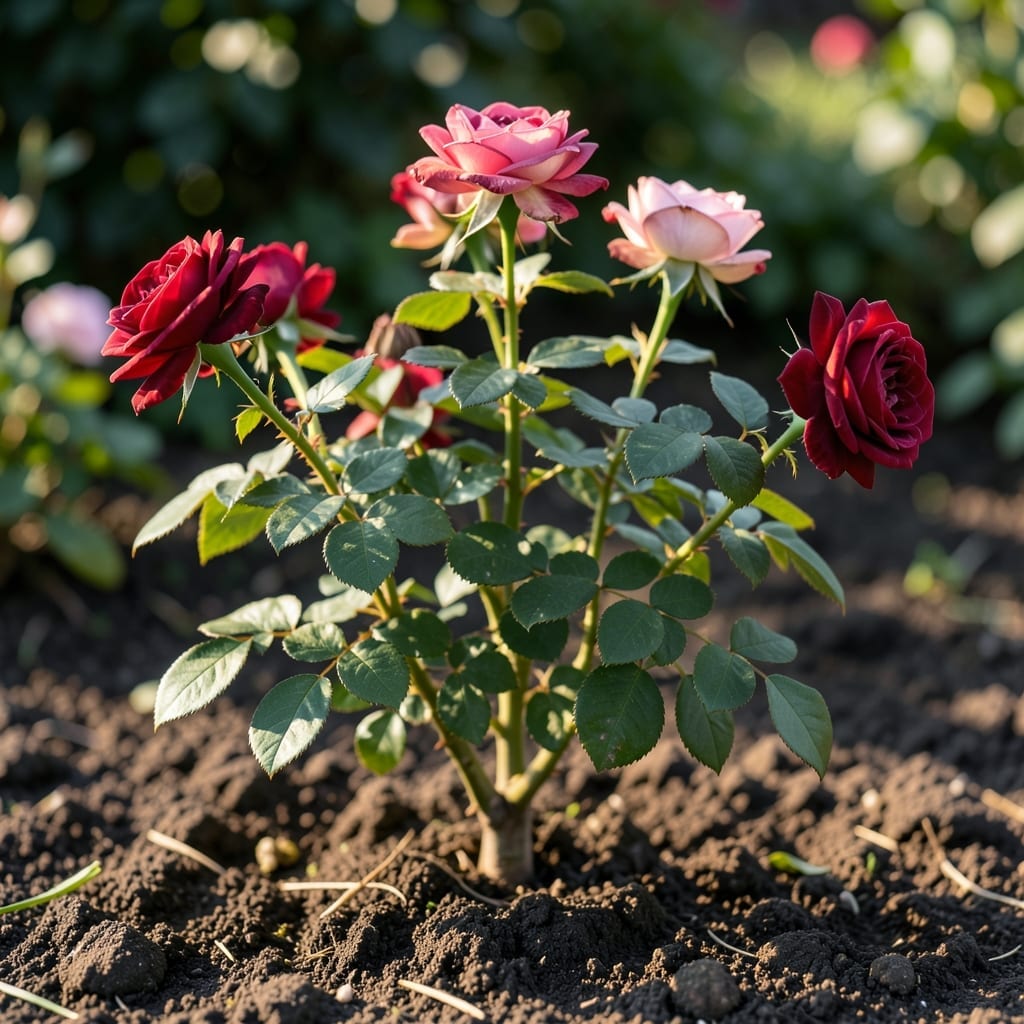
I’ve lost count of how many roses I’ve watched wilt within days of bringing them home. Between you and me, the problem usually starts before you even plant them—poor stock, bad timing, or the wrong spot.
Most roses die fast because of three things: too much water, not enough light, or pests moving in before you notice. We learned the hard way that soggy roots kill faster than dry ones.
Preventing it means checking soil with your finger before watering, giving them 6+ hours of sun, and watching for early signs of trouble. Small fixes, big difference.
With the right care, those roses won’t just survive—they’ll thrive. And yes, I mean even the ones that looked half-dead at the nursery.
Roses wilt quickly due to a mix of biological and environmental stressors. Here’s the science behind their short lifespan and how each factor accelerates their decline.
Roses are highly sensitive to extreme temperatures. Heat speeds up respiration, causing them to consume their stored sugars faster and dehydrate. Conversely, cold snaps damage cell membranes, leading to chilling injury—where water inside cells freezes and ruptures tissues. Ideal storage is 32–40°F (0–4°C) to slow metabolism without causing frost damage.
Too much or too little water disrupts a rose’s vascular system. Overwatering promotes bacterial soft rot (Pectobacterium spp.), which turns stems mushy. Underwatering, however, causes xylem cavitation—air bubbles block water transport, starving petals of moisture. Cut stems should be re-cut underwater to prevent air emboli.
This natural plant hormone, released by ripening fruits or aging flowers, triggers premature senescence. Even low concentrations (as little as 0.1 ppm) accelerate petal wilting and color fading. Roses in mixed bouquets with bananas or apples succumb faster due to ethylene off-gassing.
Bacteria and fungi thrive in cut stems, clogging xylem vessels. Common culprits include Botrytis cinerea (gray mold) and Pseudomonas spp., which enter through damaged tissues. Using clean vases and floral preservatives (with biocides) can inhibit microbial growth by up to 60%.
Roses wilt quickly, but with the right care, you can extend their beauty. Below are targeted fixes for common causes of early rose death, along with prevention tips to keep them thriving.
If your roses are exposed to extreme heat or direct sunlight, move them to a cooler, shaded spot immediately. Fix: Place them in indirect light and mist the petals with cool water to revive them. Prevention: Keep cut roses in a well-ventilated area away from windows or heat sources.
Roses dehydrate fast when not properly hydrated. Fix: Trim the stems at a 45-degree angle and submerge them in fresh, cool water for 1-2 hours. Prevention: Change the water every 2 days and ensure the vase is always filled. Add a few drops of bleach or vinegar to prevent bacterial growth.
Stagnant air speeds up decay. Fix: Space out roses in a vase to allow airflow between stems. Prevention: Avoid overcrowding and place arrangements in open areas with gentle air movement.
Tap water chemicals (like chlorine) can harm roses. Fix: Use filtered or distilled water for your vase. Prevention: Let tap water sit out for 24 hours before using it, allowing chlorine to evaporate.
Dirty vases or murky water breed bacteria. Fix: Clean the vase with soap and hot water, then refill with fresh water and a floral preservative. Prevention: Rinse the vase and replace the water every 2 days.
💡 Pro Tip: For an extra boost, add a teaspoon of sugar to the water to nourish the roses, or use a commercial flower food packet.
Change the water every 1-2 days to prevent bacterial growth. Each time, rinse the vase and trim the stems at a 45-degree angle for best water uptake.
This often happens due to air bubbles blocking the stems. Always cut stems underwater to prevent this and use lukewarm water for better absorption.
Avoid direct sunlight, heat sources, or drafts. A cool room with indirect light and good air circulation is ideal. Keep them away from ripening fruit too.
Yes, but let it sit for 24 hours first to allow chlorine to evaporate. For best results, use filtered or distilled water.