
Beautiful Plants For Your Interior
Beautiful Plants For Your Interior
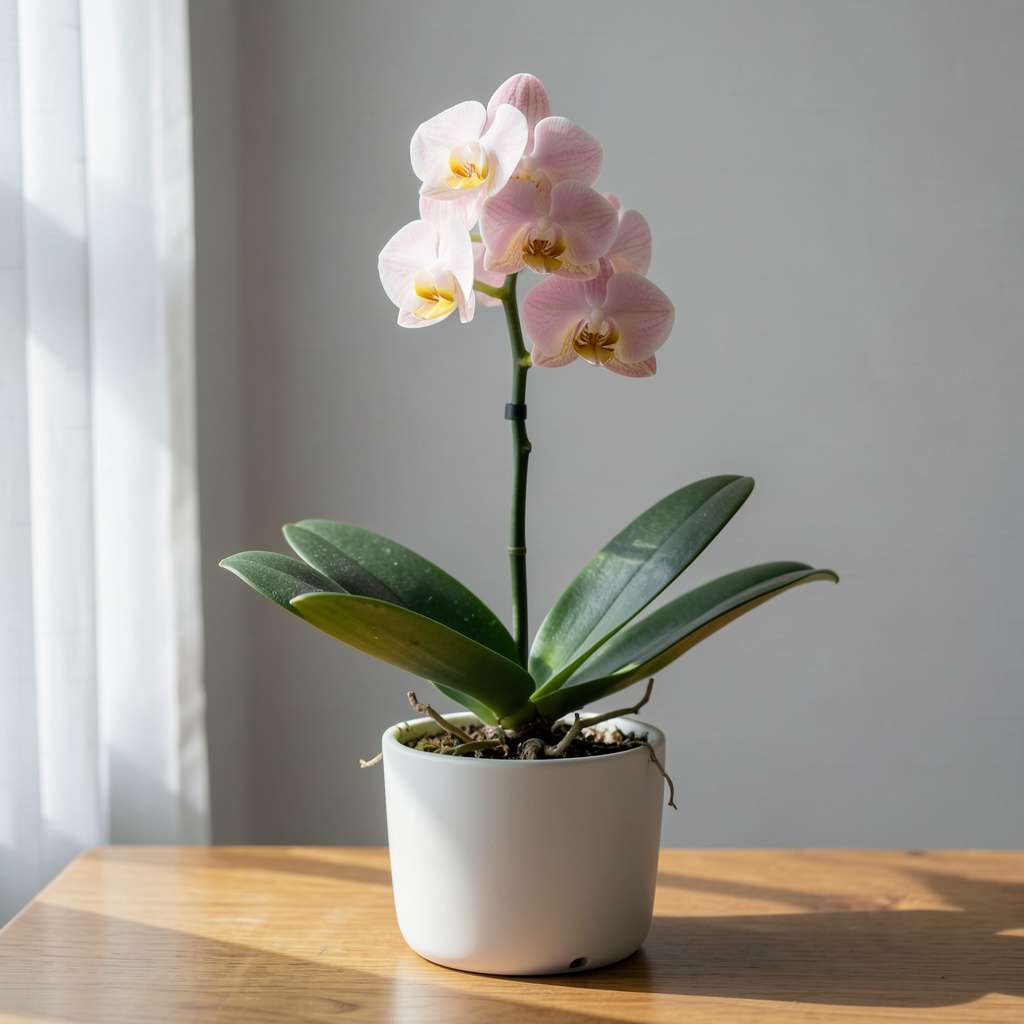
Orchid pots have holes for drainage to prevent root rot and to mimic the plant’s natural environment by allowing air circulation around the roots.
Understanding the design of orchid pots is crucial for healthy growth. 🌱 The holes not only allow excess water to escape but also create a microenvironment similar to what orchids experience in their native habitats. This setup encourages oxygen to reach the roots, which is vital for their overall health and development. Additionally, it helps prevent stagnant water that can lead to root rot or fungal issues.
When I choose pots, I always look for those with multiple drainage holes to ensure optimal airflow. This little detail can make a big difference in how well my orchids thrive! 🌟
💡 In This Article
The design of orchid pots, particularly the inclusion of drainage holes, plays a pivotal role in maintaining root health. Orchids are primarily epiphytes, meaning they naturally grow on other plants rather than in soil. This adaptation requires roots that are accustomed to receiving air and moisture, not sitting in water. 🌱
When you look closely at an orchid pot, the holes serve to replicate this natural environment. They allow excess water to escape quickly, reducing the risk of waterlogging, which can suffocate roots and promote root rot. A well-draining mix combined with these holes creates a balance of moisture retention and airflow that orchids thrive on.
🔄
Furthermore, these drainage holes facilitate oxygen flow to the root system. Without proper aeration, roots can become susceptible to fungal infections, which flourish in stagnant water conditions. In fact, studies show that orchids exposed to consistent air circulation have significantly healthier root systems compared to those in traditional pots without drainage. 🌬️
It’s essential to select pots with multiple holes to ensure optimal drainage and aeration. The size and number of holes can vary; ideally, you want them large enough to allow for rapid water exit but not so large that your potting medium escapes.
For instance, pots with holes that are approximately 0.5 inches in diameter work well for most orchid potting mixes. 🕳️
When potting orchids, consider using a mix designed for orchids that includes bark or sphagnum moss. This not only aids drainage but also mimics the organic material found in their natural habitat. Regularly checking the moisture level before watering can further prevent over-saturation and promote healthy growth. 🔍
In summary, the presence of holes in orchid pots is not just a design choice but a necessity for replicating their natural growing conditions. Understanding this can significantly improve your plant care routine and lead to flourishing orchids! 🌟
