
Beautiful Plants For Your Interior
Beautiful Plants For Your Interior
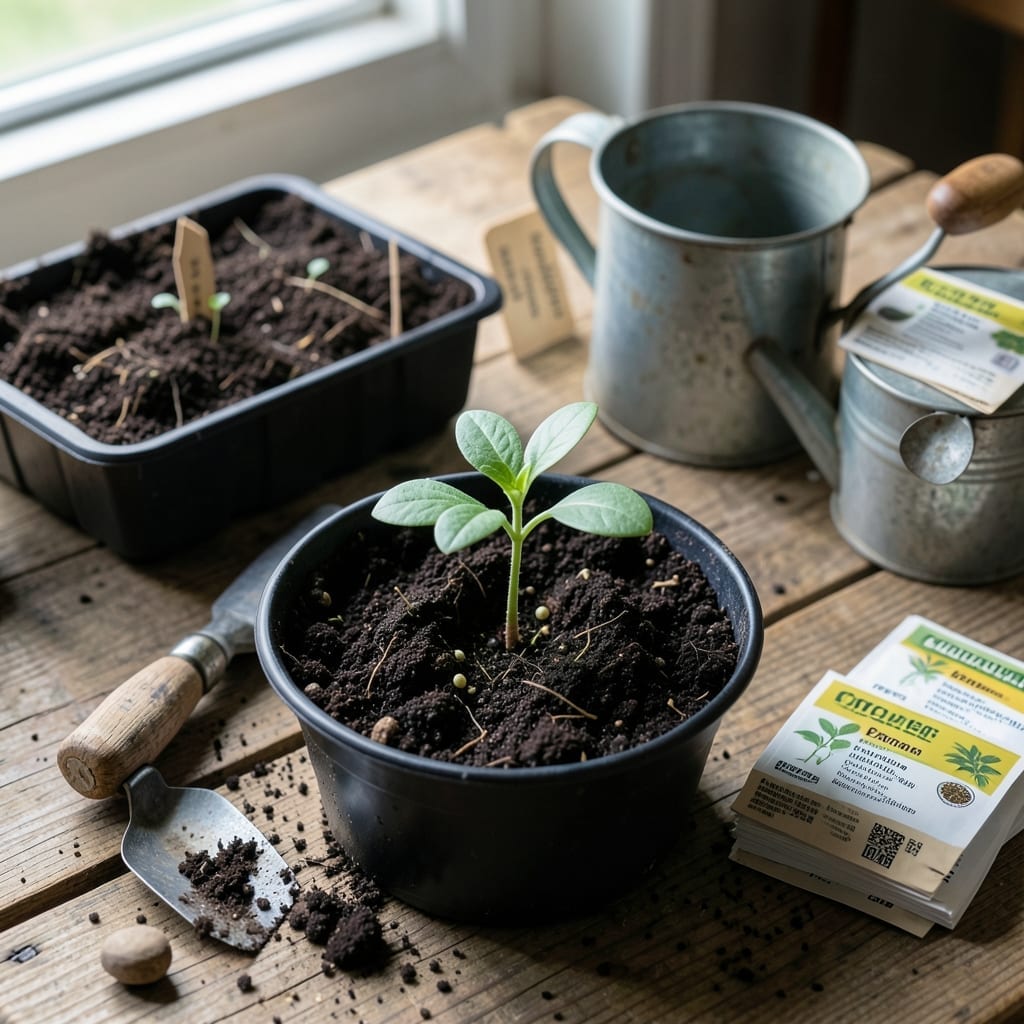
Watching seeds sit stubbornly in soil is the worst kind of waiting. I’ve stared at trays for weeks wondering what went wrong, and it always comes down to one of three simple things.
Either the soil’s too dry, too wet, or the temperature isn’t right. Most seeds need consistent moisture—like a damp sponge—not soggy or bone-dry. And that warmth? Think 70-75°F for most varieties.
Light matters too, but often less than you’d expect. Some seeds need darkness to germinate, while others demand light. Check your packet for the specifics.
Fix these basics, and you’ll see sprouts within days. The solution is usually simpler than you think.
Seeds need specific conditions to break dormancy and start growing. When these aren’t met, germination fails. Below are the most common scientific reasons your seeds may not be sprouting, along with clear explanations for each.
Seeds require a precise temperature range to activate enzymes that trigger growth. Too cold slows metabolic processes, while too hot can denature proteins or dry out the seed. Most vegetable seeds germinate best between 65–75°F (18–24°C). Use a seedling heat mat for warmth or move trays to a cooler spot if overheating is suspected.
Water is essential for softening the seed coat and activating growth, but balance is key. Overwatering leads to oxygen deprivation and rot, while underwatering prevents the seed from absorbing enough moisture to swell and split. Aim for consistently moist (not soggy) soil, and use a spray bottle to avoid disturbing seeds.
Old or improperly stored seeds lose viability. Most seeds last 1–3 years if kept in a cool, dry place, but some (like onions or parsley) degrade faster. Test old seeds by placing a few on a damp paper towel—if they don’t sprout within their typical germination time, they may no longer be viable. Always check the pack date and storage conditions.
Seeds need well-draining, fine-textured soil to establish root contact. Heavy or compacted soil can smother seeds, while planting too deep may prevent them from reaching light. Follow seed-specific guidelines—most small seeds (like lettuce) need light to germinate and should be sown on the surface, while larger seeds (like beans) can be planted deeper.
While not all seeds need light to germinate (e.g., beans), many small-seeded varieties (like basil or petunias) do. If buried too deep or kept in total darkness, these seeds may fail to sprout. Provide bright, indirect light as soon as seeds are sown, or use a grow light for consistent results.
If your seeds aren’t sprouting, don’t lose hope! Here’s how to tackle the most common issues with simple, actionable fixes.
If your seeds are past their prime, they may struggle to germinate. Test seed viability by placing a few on a damp paper towel in a sealed bag. If most don’t sprout within a few days, it’s time to replace them with fresh, high-quality seeds. Always check the expiration date before planting.
Prevention tip: 💡 Store seeds in a cool, dry place (like an airtight container in the fridge) to extend their lifespan.
Too much water can drown seeds, while too little leaves them parched. Keep the soil consistently moist but not soggy. Use a spray bottle to mist the surface gently, or cover the pot with plastic wrap to retain humidity. If the soil feels dry an inch below the surface, it’s time to water.
Prevention tip: ✨ Use well-draining soil and pots with drainage holes to avoid waterlogging.
Seeds need warmth to germinate—most thrive between 65–75°F (18–24°C). If your home is too cold, use a seedling heat mat or place trays near a warm spot (like the top of the fridge). Avoid direct heat sources like radiators, which can dry out soil.
Prevention tip: 🌡️ Check seed packets for temperature preferences and adjust accordingly.
While seeds don’t need light to germinate, weak or no light after sprouting causes leggy, weak seedlings. Place trays in a bright spot (like a south-facing window) or use a grow light 12–16 hours daily. Keep lights 2–4 inches above the soil to prevent stretching.
Prevention tip: 🎯 Rotate trays daily to ensure even light distribution.
Seeds need loose, nutrient-rich soil to break through easily. Use a seed-starting mix (not regular garden soil) and plant at the correct depth—usually 2–3 times the seed’s width. Press seeds lightly into the soil but don’t bury them too deep.
Prevention tip: 🔥 Sterilize reused pots and tools to avoid fungal or bacterial issues.
Place a few on a damp paper towel in a sealed bag. If most don’t sprout within their typical germination time, they’ve likely lost viability.
Keep it consistently moist but not soggy—like a wrung-out sponge. Use a spray bottle to avoid disturbing seeds.
No, but many small-seeded varieties like basil do. Always check the seed packet for specific light requirements.
Plant at a depth of 2–3 times the seed’s width. Press lightly into soil but don’t bury too deep.