
Beautiful Plants For Your Interior
Beautiful Plants For Your Interior
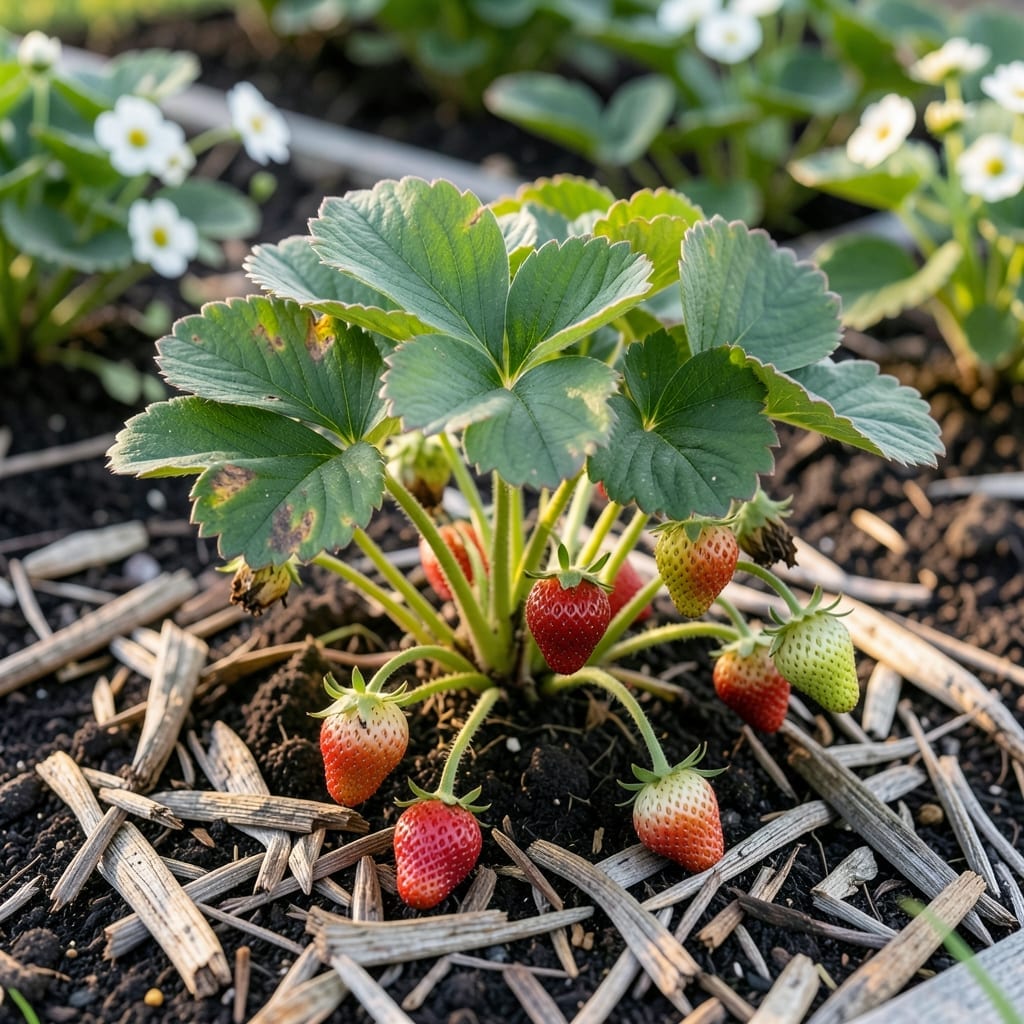
Watching your Strawberry 🍓 crop rot before ripening is every gardener’s nightmare. It’s frustrating to put in the effort only to see your harvest ruined.
This common problem often stems from issues you can control, like poor drainage or fungal infections. You’re not alone, and there are effective solutions to save your plants.
I’ve seen this happen in my own garden, and through trial and error, discovered what works. The good news is most causes are preventable with the right knowledge.
Let me walk you through the key reasons this happens and how to fix it. Your next harvest can be the best one yet.


Nothing frustrates gardeners more than seeing their strawberry plants produce fruit that rots before ripening. I’ve seen this happen too often, and it’s usually due to a few preventable issues that can be fixed with proper care.
From fungal diseases to poor growing conditions, identifying the root cause is the first step to saving your harvest. Let’s break down the most common culprits so you can take action quickly.
| Cause | Details |
|---|---|
| Fungal Diseases | Botrytis or anthracnose thrive in wet, humid conditions. |
| Overwatering | Waterlogged soil suffocates roots and promotes rot. |
| Poor Air Circulation | Crowded plants trap moisture, encouraging fungal growth. |
| Soil Issues | Poor drainage or low pH stresses plants. |
| Pest Damage | Slugs and snails create wounds that rot fungi exploit. |
I’ve found that fungal diseases like Botrytis fruit rot are the top offenders. This gray mold appears as fuzzy growth on berries and spreads quickly in wet, humid weather. It thrives when plants stay damp for too long.
Overwatering is another major issue. Strawberries need consistent moisture, but soggy soil leads to root rot and fruit decay. I always check soil moisture 2 inches deep before watering again.
Poor air circulation compounds these problems. When plants are too close together, moisture lingers on leaves and fruit, creating perfect conditions for fungi. I space my strawberries 12-18 inches apart to ensure good airflow.
Soil problems can also cause rot. Strawberries prefer slightly acidic soil (pH 5.5-6.5). If your soil is too alkaline or lacks organic matter, plants become stressed and susceptible to disease.
Finally, don’t overlook pest damage. Slugs and snails love strawberries as much as we do. Their feeding creates entry points for rot-causing fungi. I use organic slug baits and copper tape to keep them at bay.
By addressing these common issues, you can significantly reduce the chances of your strawberries rotting before they ripen. 🌱
If your strawberries are rotting before ripening, don’t lose hope! I’ve found that simple adjustments can make a big difference. The key is preventing excess moisture and improving airflow around your plants.
Start by checking your watering schedule. Overwatering is a common culprit, so I recommend morning watering to allow foliage to dry before evening. This reduces the risk of fungal infections like gray mold.
I always use straw mulch under my strawberry plants. It creates a protective barrier that keeps the fruit dry and clean. Plus, it suppresses weed growth that can harbor moisture and pests.
Another critical step is thinning out plants. Crowded strawberries trap humidity, which invites rot. I thin mine to 1 plant per 6 inches for optimal air circulation. It feels counterintuitive, but it works!
For persistent issues, I turn to organic fungicides. Neem oil or copper sprays can be effective, but I apply them in the evening to avoid harming pollinators. Always follow the label instructions carefully.
Finally, crop rotation helps prevent soil-borne diseases. I never plant strawberries in the same spot more than 3 years in a row. This simple practice breaks the disease cycle naturally. ☀️