
Beautiful Plants For Your Interior
Beautiful Plants For Your Interior
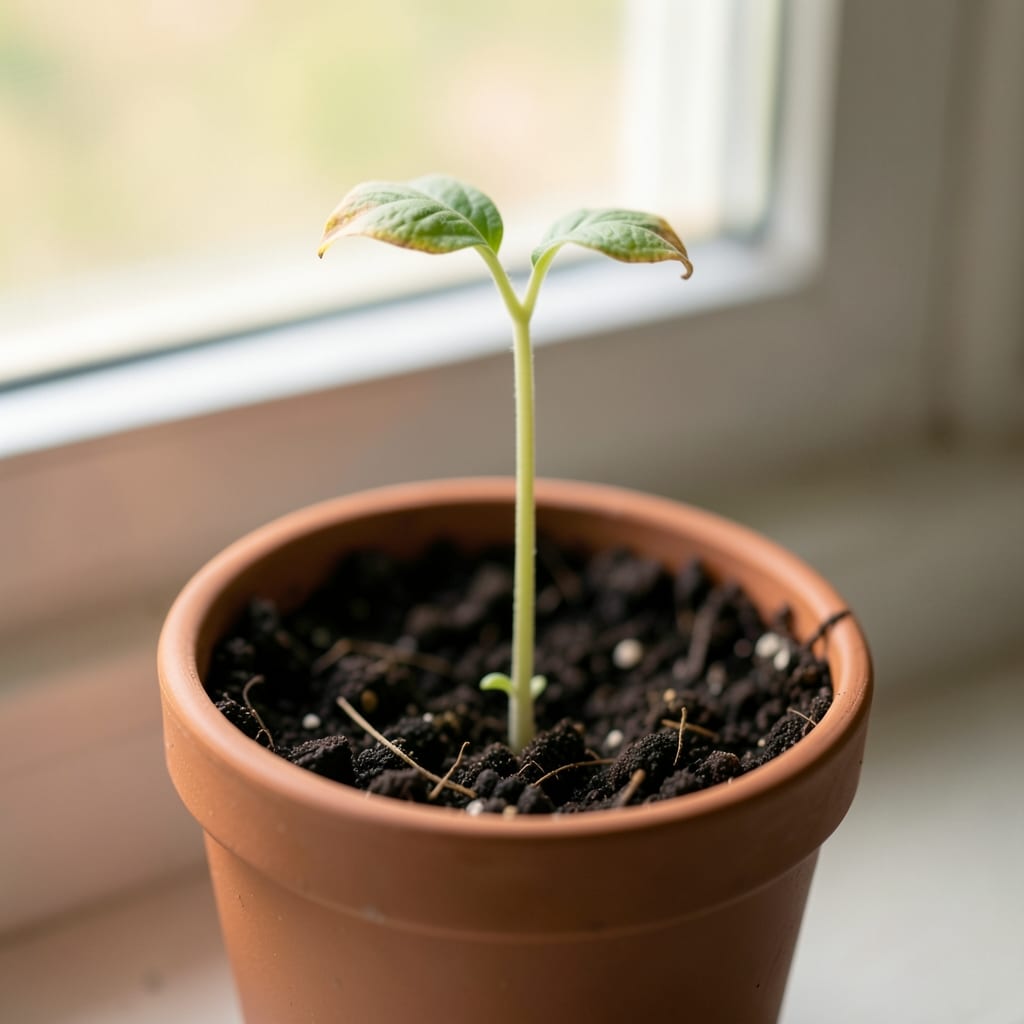
Curling seedling leaves had me stumped for seasons. Turns out, your plants are basically sending an SOS signal before they give up entirely.
I’ve lost count of how many trays I’ve rescued after spotting this early warning sign. The causes range from overwatering to pests, but the fix is always simpler than you think.
You’ll see improvement within 24-48 hours once you address the root issue. No fancy equipment needed—just observation and a few quick adjustments.
Prevention is even easier than the cure. A little attention now saves you from starting over with a new batch of seeds.
Seedling leaf curl is a visible distress signal, and several environmental or biological factors can trigger it. Below are the most common causes, explained in clear, actionable terms.
Seedlings are sensitive to extreme temperatures. When exposed to heat above 85°F (29°C) or sudden temperature drops, their leaves may curl inward to reduce surface area and minimize water loss. This is a protective mechanism called thermonasty. Ensure consistent temperatures between 65–75°F (18–24°C) for most species.
Inconsistent moisture levels disrupt cellular turgor pressure. Underwatering causes leaves to curl as the plant conserves water, while overwatering leads to root rot, impairing nutrient uptake. Check soil moisture 1 inch (2.5 cm) deep—it should feel damp but not soggy. Use a moisture meter for precision.
Seedlings thrive in 40–60% humidity. Dry air accelerates transpiration, forcing leaves to curl to preserve hydration. This is common in indoor settings with HVAC systems. Use a humidifier or place a tray of water near seedlings to restore balance.
Aphids, spider mites, and thrips suck sap from leaves, causing dehydration and curling. Inspect the undersides of leaves for tiny insects or webbing. Treat with neem oil or insecticidal soap at the first sign of infestation.
Too much or too little of certain nutrients can stress seedlings. Nitrogen deficiency often causes pale, curled leaves, while calcium or magnesium excess (e.g., from hard water) may lead to toxicity. Use a balanced, diluted fertilizer (half-strength) and test soil pH (ideal: 6.0–7.0).
Strong airflow from fans or outdoor winds can desiccate leaves, prompting curling. Seedlings also curl in response to mechanical damage (e.g., brushing against surfaces). Shield them from drafts and handle gently during transplanting.
Don’t panic—curling leaves are often an easy fix! Below are targeted solutions for the most common causes, paired with prevention tips to keep your seedlings thriving. 🌱✨
Fix: Check soil moisture by sticking your finger 1 inch deep. If dry, water gently at the base (avoid wetting leaves). If soggy, stop watering and let the soil dry slightly. For severe overwatering, repot in fresh, well-draining mix.
Prevent it: Use pots with drainage holes and a moisture meter. Water only when the topsoil feels dry.
Fix: Move seedlings away from drafts, heaters, or direct hot sun. Aim for 65–75°F (18–24°C). Use a heat mat if too cold or shade cloth if too hot.
Prevent it: Monitor with a thermometer and adjust their location as temperatures fluctuate.
Fix: Spray leaves with neem oil or insecticidal soap (follow label instructions). Wipe off visible pests like aphids with a damp cloth. Isolate heavily infested seedlings.
Prevent it: Inspect new plants before bringing them near seedlings. Keep the area clean and free of debris.
Fix: Group seedlings together or place a tray of water near them to increase humidity. Mist leaves lightly only if the air is very dry (avoid overdoing it).
Prevent it: Use a humidifier for consistent moisture, especially in dry climates or indoor heating seasons.
Fix: Switch to a balanced, diluted fertilizer (half-strength) if over-fertilization isn’t the issue. For nitrogen deficiency (pale, curling leaves), use a mild fish emulsion or compost tea.
Prevent it: Start with nutrient-rich soil and fertilize lightly every 2–4 weeks. Avoid heavy feeds for young seedlings.
Pro tip: Always introduce changes gradually—seedlings are sensitive to sudden shifts in care! 💡
Check the soil 1 inch deep—if it feels soggy or smells musty, it’s overwatered. Leaves may also appear yellow or mushy.
Yes! Most seedlings bounce back within 24-48 hours once the stressor is removed. Severely damaged leaves may not fully uncurl, but new growth will be healthy.
A gentle fan can improve airflow, but avoid strong winds. Set it to low and aim it away from seedlings to prevent desiccation.
Isolate affected seedlings and spray with neem oil or insecticidal soap. Wipe leaves with a damp cloth to remove visible pests immediately.