
Beautiful Plants For Your Interior
Beautiful Plants For Your Interior
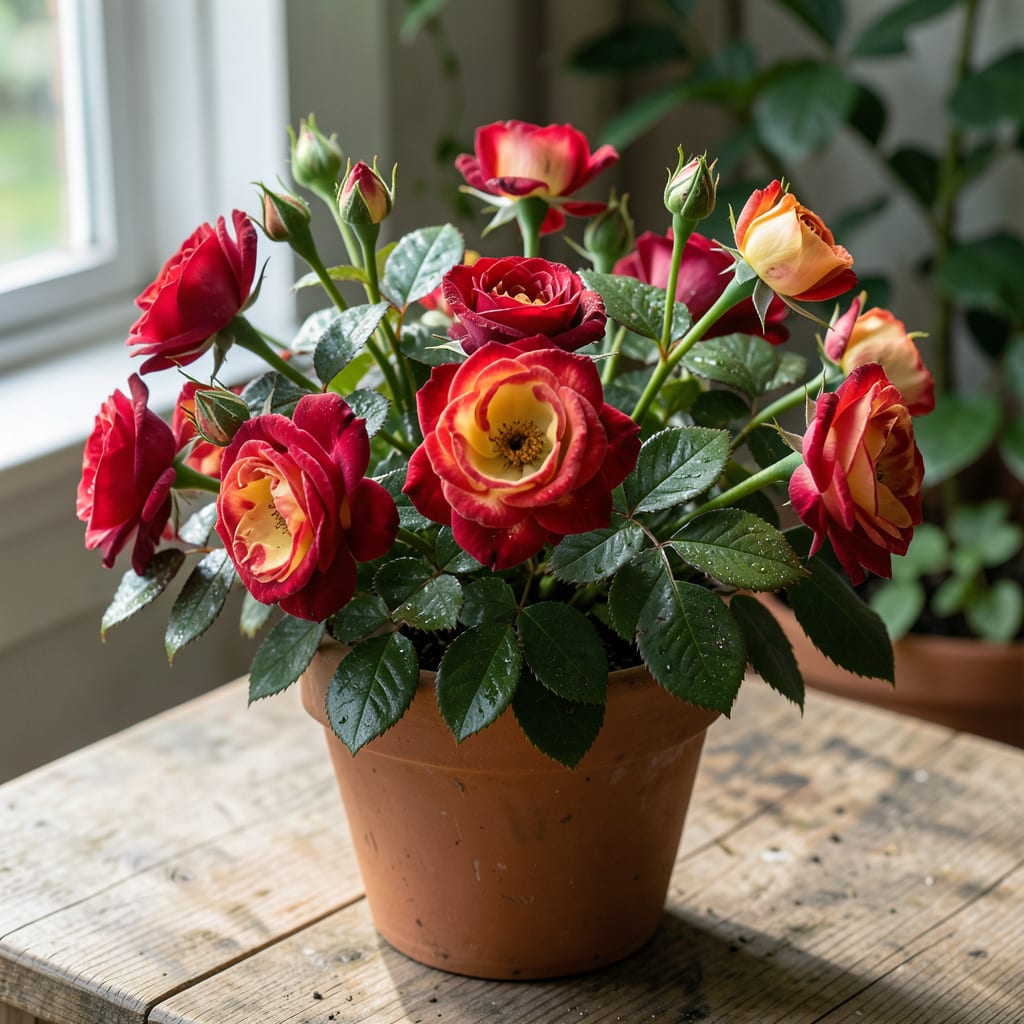
Yellow leaves on roses always signal something’s off. 🌱 I’ve seen this happen when the soil lacks iron or nitrogen, or when watering habits go wrong—too much or too little.
Sometimes it’s pests like spider mites or diseases such as black spot. But most often, it’s a simple fix: adjusting your care routine or adding the right nutrients.
With a few tweaks, those leaves can turn vibrant green again in 2-3 weeks. The key is identifying the root cause and acting fast.
No need for harsh chemicals—natural solutions often work best. Let’s figure out what your roses need.
Roses turning yellow often signal underlying issues that disrupt their health. Here are the most common causes, explained with actionable insights:
Yellowing leaves, or chlorosis, frequently stem from a lack of essential nutrients. Nitrogen deficiency causes uniform yellowing, starting with older leaves, as nitrogen is mobile and redistributed to newer growth. Iron deficiency leads to yellowing between leaf veins (interveinal chlorosis), especially in alkaline soils where iron becomes less soluble. A magnesium deficiency may also cause yellow patches, often with brown edges, as magnesium is critical for chlorophyll production.
Excess water suffocates roots, reducing oxygen uptake and hindering nutrient absorption. This stress triggers yellowing, often accompanied by wilting or mushy stems. Roses in poorly draining soil or pots without drainage holes are particularly vulnerable. Root rot, caused by Phytophthora or Pythium fungi, can also develop, further damaging the plant’s ability to transport water and nutrients.
Extreme heat, cold drafts, or sudden temperature swings can shock roses, leading to yellowing. Sunburn may cause yellow or brown patches on leaves exposed to intense sunlight, especially if the plant is water-stressed. Conversely, insufficient light weakens the plant, reducing chlorophyll production and causing pale or yellow foliage.
Sap-sucking pests like aphids, spider mites, or thrips drain nutrients from leaves, causing yellow stippling or mottling. Aphids often cluster on new growth, while spider mites thrive in hot, dry conditions, leaving fine webbing. These pests also spread viruses, which can further discolor foliage.
Here’s how to tackle each common cause of yellowing roses, with simple fixes and prevention tips to keep your blooms vibrant.
If your soil lacks key nutrients, your roses will suffer. Fix it: Test your soil with a kit (available at garden centers) to confirm deficiencies. For nitrogen, work in compost or a balanced fertilizer (10-10-10). For iron or magnesium, apply chelated iron or Epsom salt (1 tablespoon per gallon of water) as a foliar spray. Prevent it: Feed roses with a slow-release fertilizer every 4-6 weeks during growing season. 💡 Pro tip: Over-fertilizing can burn roots—stick to package instructions!
Too much water suffocates roots, while soggy soil invites fungus. Fix it: Let the top inch of soil dry out between waterings. If drainage is poor, amend the soil with perlite or organic matter. For potted roses, ensure pots have drainage holes. Prevent it: Water deeply but less frequently (1-2 times per week, depending on climate). Use mulch to retain moisture without waterlogging.
Roses need 6-8 hours of sunlight daily. Fix it: If leaves scorch in extreme heat, provide afternoon shade with a sheer cloth. For insufficient light, trim nearby plants or relocate containers to a sunnier spot. Prevent it: Plant roses where they’ll get morning sun and partial afternoon shade in hot climates.
Aphids, spider mites, and thrips sap plant juices, causing yellowing. Fix it: Blast pests off with a strong water spray or apply insecticidal soap. For severe cases, use neem oil (mix 2 tbsp per gallon of water) weekly until pests are gone. Prevent it: Encourage beneficial insects like ladybugs by planting companion flowers (e.g., marigolds). 🌡️ Check undersides of leaves weekly for early signs.
Black spot or powdery mildew can turn leaves yellow. Fix it: Remove infected leaves and discard (don’t compost). Spray with a baking soda solution (1 tsp baking soda + 1 quart water + a drop of dish soap) or a copper fungicide. Prevent it: Space plants for airflow, water at the base (not overhead), and avoid evening watering.
With proper care, new growth should appear green within 2-3 weeks. Older yellow leaves may not recover, so focus on creating optimal conditions for fresh foliage.
Yes! Too much fertilizer burns roots, preventing nutrient uptake. Stick to recommended amounts and always water after applying to distribute nutrients evenly.
Water deeply 1-2 times per week, letting the top 1 inch of soil dry between sessions. Morning watering prevents fungal growth and allows roots to absorb moisture.
Prune severely yellowed leaves to redirect energy to healthy growth. Always use clean shears and remove debris to prevent disease spread.
