
Beautiful Plants For Your Interior
Beautiful Plants For Your Interior
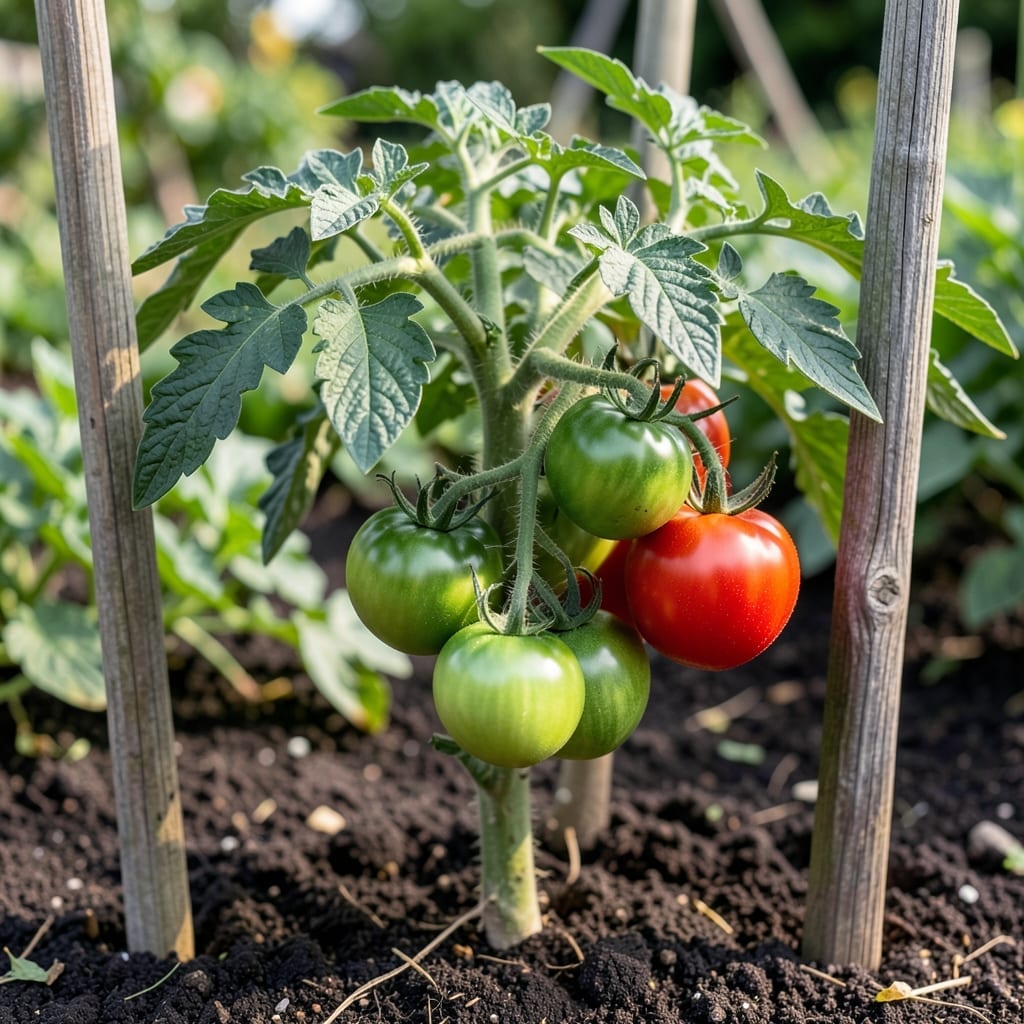
Green tomatoes in late summer had me panicking last year. Turns out Roma varieties often need an extra push to ripen, especially when nights stay too warm or days get too shaded.
I traced my issue to inconsistent watering and a nitrogen-heavy fertilizer that prioritized leafy growth over fruit. The fix was simpler than I expected: adjust care based on what the plants actually need, not what I assumed they wanted.
Within 10 days of correcting these factors, my Romas started blushing pink then deepening to that perfect vibrant red. The difference was night and day compared to my previous struggling harvests.
Works for container plants, garden beds, or any setup where Romas seem stuck in green. Here’s how to diagnose your specific issue.
Roma tomatoes may stay stubbornly green or orange for several scientific reasons. Here’s why it happens:
Tomatoes need 60–85°F (15–29°C) to produce lycopene, the pigment responsible for red color. Below 50°F (10°C), lycopene synthesis slows or stops. Above 85°F (29°C), the plant conserves energy for survival, delaying ripening. Even brief cold snaps or heatwaves can pause the process.
Lycopene production requires 6–8 hours of direct sunlight daily. Shade from overgrown foliage, nearby structures, or cloudy weather reduces the energy needed for pigment development. Roma tomatoes in partial shade often ripen unevenly or stay yellow-orange.
Too much nitrogen (common in fresh manure or high-N fertilizers) promotes leafy growth at the expense of fruit ripening. Phosphorus and potassium are critical for lycopene formation—deficiencies can leave tomatoes green. A soil test can reveal imbalances before they affect your harvest.
Dense foliage blocks sunlight and air circulation, stressing the plant and slowing ripening. Roma tomatoes on vines packed too closely may also compete for nutrients, further delaying color change. Proper pruning and spacing (18–24 inches apart) ensures even ripening.
If your Roma tomatoes are staying stubbornly green or orange, don’t worry—there are clear, actionable fixes for each common cause. Below are practical solutions mapped to specific issues, plus tips to prevent future problems.
Tomatoes stop ripening properly when temperatures dip below 50°F (10°C) or climb above 85°F (29°C). Fix it: Use row covers or cloches to warm plants in cool weather. In extreme heat, provide afternoon shade with shade cloth (30-50%) to lower stress. Potted plants can be moved to a more temperature-stable spot.
Prevention tip: 💡 Plant Roma tomatoes after the last frost when soil is warm, and choose a sunny spot with consistent temperatures.
Roma tomatoes need 6–8 hours of direct sunlight daily to produce lycopene, the pigment that turns them red. Fix it: Prune nearby plants or branches casting shade. If space is limited, consider relocating containers to a sunnier area or using reflective mulch to bounce light onto the plants.
Prevention tip: ✨ Site your tomato beds where they’ll get full sun, especially in the morning when light is most effective for ripening.
Too many tomatoes on the vine or dense foliage can block light and air, slowing ripening. Fix it: Thin out excess fruit when they’re still small, focusing on the healthiest ones. Remove suckers (shoots between the main stem and branches) to improve airflow. For heavy crops, use stakes or trellises to open up the canopy.
Prevention tip: 🎯 Space Roma plants 18–24 inches apart and prune regularly to maintain good circulation.
Fluctuating moisture levels cause stress, leading to uneven ripening or blossom end rot. Fix it: Water deeply 1–2 inches per week, preferably in the morning, and keep the soil consistently moist (not soggy). Use drip irrigation to avoid wetting the leaves, which can invite disease.
Prevention tip: 🌧️ Mulch around the base of plants with straw or wood chips to retain moisture and regulate soil temperature.
Too much nitrogen promotes leafy growth at the expense of fruit ripening, while a lack of phosphorus or potassium can stall color development. Fix it: Switch to a low-nitrogen, high-phosphorus fertilizer (like 5-10-10) once fruit sets. Work compost or well-rotted manure into the soil at planting for a nutrient boost.
Prevention tip: 📊 Test your soil before planting and amend as needed. Avoid over-fertilizing with nitrogen-rich products mid-season.
Roma tomatoes typically take 20-30 days from flowering to full ripeness. If conditions are ideal, they may mature faster, but stress factors can extend this period significantly.
Yes! Pick green tomatoes and place them in a paper bag with a ripe banana or apple. The ethylene gas they release will accelerate ripening in 3-5 days.
Uneven ripening often occurs due to inconsistent sunlight or temperature fluctuations. Ensure plants receive 6-8 hours of direct sunlight daily and maintain stable temperatures.