
Beautiful Plants For Your Interior
Beautiful Plants For Your Interior
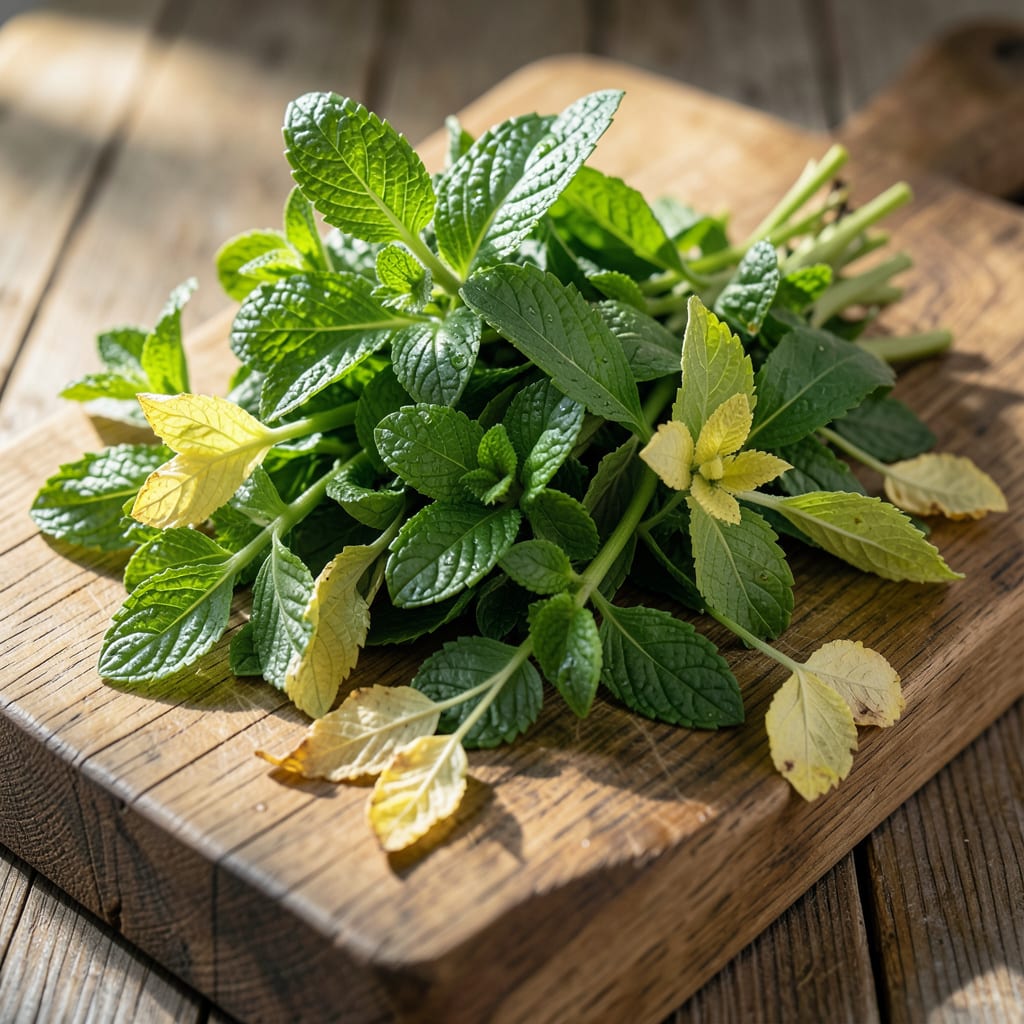
Yellow mint leaves are your plant’s way of waving a red flag. I’ve seen this happen more times than I can count, and it’s always fixable once you know what to look for.
The usual suspects? Overwatering, hungry roots, or uninvited pests. Each leaves a different clue—wilting stems for too much water, pale veins for missing nutrients, or visible bugs for pests.
You can turn this around in 24-48 hours with the right adjustments. The first step is stopping whatever’s causing the stress, then giving your mint what it actually needs.
Works for potted plants, garden beds, or windowsill herbs. Here’s how to diagnose and fix it fast.
Mint leaves turning yellow is often a sign of stress or disease. Here are the most common causes:
Mint thrives in moist soil, but soggy roots (from overwatering or compacted soil) suffocate the plant, blocking oxygen uptake. This leads to root rot, where pathogens like Phytophthora or Pythium attack the roots, causing yellowing leaves. Action: Let the top inch of soil dry between waterings and ensure pots have drainage holes.
Conversely, dry soil or extreme heat (above 90°F/32°C) can scorch mint leaves, turning them yellow or brown. Mint prefers consistently moist (not waterlogged) soil and partial shade in hot climates. Action: Water deeply when the topsoil feels dry and provide afternoon shade in summer.
Yellow leaves may signal a lack of nitrogen (uniform yellowing, starting with older leaves) or iron (interveinal chlorosis—yellow leaves with green veins). Mint is a heavy feeder; poor soil or lack of fertilizer can starve it. Action: Use a balanced liquid fertilizer (10-10-10) every 4–6 weeks or amend soil with compost.
Sap-sucking pests like spider mites, aphids, or whiteflies drain nutrients from leaves, causing yellow stippling or mottling. Check undersides of leaves for webbing (mites) or sticky residue (aphids). Action: Blast pests off with water or apply neem oil weekly until gone.
Fungi like Verticillium or Fusarium wilt disrupt water transport, leading to yellowing, wilting, or stunted growth. These thrive in wet, crowded conditions. Action: Remove infected plants, improve airflow, and avoid overhead watering. Use a copper fungicide for severe cases.
Here’s how to nurse your mint back to health, based on the most common causes:
Fix: Stop watering immediately and let the soil dry out. Repot the mint in fresh, well-draining soil if the roots are mushy or black. Use a pot with drainage holes to prevent waterlogging.
Prevention tip: 💡 Water only when the top inch of soil feels dry. Mint prefers moist but not soggy conditions.
Fix: Move potted mint to a spot with bright, indirect light (4–6 hours of sun daily). If growing in the ground, provide afternoon shade with a sheer cloth or nearby plants.
Prevention tip: 🌡️ Acclimate mint gradually to sunlight to avoid shock. Yellow leaves from sunburn won’t recover, but new growth will be healthy.
Fix: Feed your mint with a balanced, water-soluble fertilizer (10-10-10) every 4–6 weeks during the growing season. Yellow lower leaves often signal nitrogen deficiency—use a nitrogen-rich fertilizer in this case.
Prevention tip: ✨ Refresh the soil annually or add compost to replenish nutrients naturally.
Fix: Spray leaves with a neem oil solution or insecticidal soap to treat aphids, spider mites, or whiteflies. Wipe leaves gently with a damp cloth to remove pests.
Prevention tip: 🎯 Inspect plants weekly and isolate new mint plants for 1–2 weeks to prevent pest spread.
Fix: Remove yellow or spotted leaves to stop the spread. Apply a copper-based fungicide for fungal infections like mint rust. Improve air circulation around the plant.
Prevention tip: 🌬️ Avoid overhead watering—water at the base of the plant to keep leaves dry.
Water when the top 1 inch of soil feels dry. Mint likes moisture but hates soggy roots. In hot weather, this might mean watering every 2-3 days.
Unfortunately, once leaves turn yellow, they won’t recover. But fixing the underlying issue will help new growth stay healthy and green.
Use well-draining, rich soil with a pH of 6.0-7.0. Mix in compost or organic matter to improve fertility and drainage.
Inspect leaves weekly, especially undersides. Use neem oil monthly as a preventive. Isolate new plants for 1-2 weeks before mixing with others.
