
Beautiful Plants For Your Interior
Beautiful Plants For Your Interior
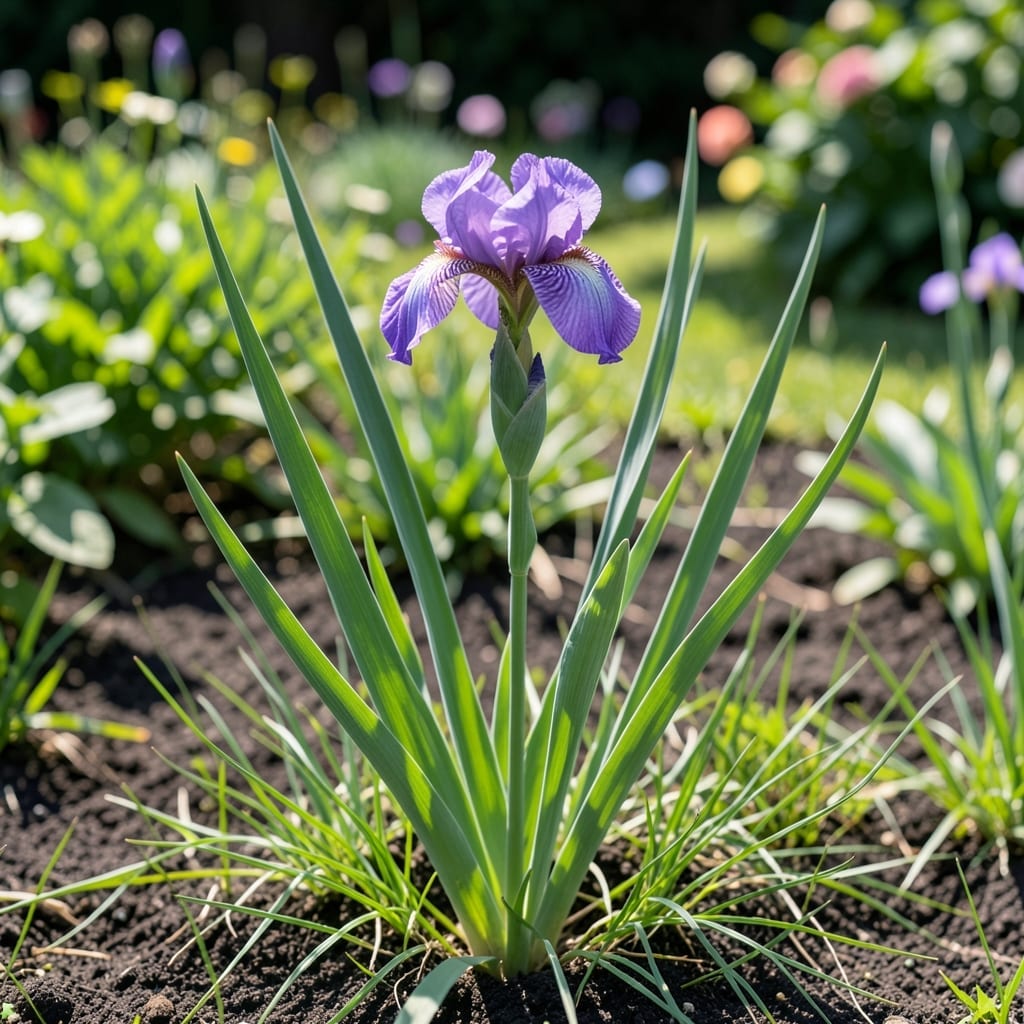
Nothing’s more disheartening than watching your irises flop over just as they’re about to bloom. I’ve been there—one morning they’re standing tall, the next they’re sprawled across the soil like they’ve given up.
This usually happens because the stems are too weak to support those heavy flowers. Overcrowding, poor sunlight, or even too much nitrogen in the soil can make them top-heavy and unstable.
With a few simple fixes—like staking, dividing clumps, or adjusting water—you can keep them upright and healthy. The key is catching it early before the stems snap.
By next season, your irises will stand proud, their vibrant blooms reaching for the sky instead of the ground. Here’s how to make it happen.
Irises falling over is a common frustration, but the causes are often simple to address. Here’s why it happens:
Irises grow from rhizomes, and when these become too crowded, they compete for nutrients and water, weakening the stems. Over time, the plants produce fewer, thinner stalks that can’t support the weight of the blooms. Divide clumps every 3-4 years to rejuvenate strength.
Shallow roots make irises sensitive to drought stress. Without consistent moisture—especially during bud formation—stems grow spindly. Similarly, low nitrogen or phosphorus in the soil stunts stem development. Amend soil with compost or a balanced fertilizer (10-10-10) in early spring.
Tall iris varieties (like Tall Bearded Irises) have heavy flowers that act like sails in wind or rain. Staking or planting in a sheltered spot can prevent toppling. Grouping plants closely also provides mutual support.
Irises need 6+ hours of full sun daily. In shady spots, stems elongate weakly as they “reach” for light, making them prone to flopping. Relocate plants to sunnier areas or thin nearby foliage.
Iris borers or bacterial soft rot can weaken rhizomes and stems. Inspect for chewed leaves or mushy bases. Remove infected parts and apply organic neem oil or insecticidal soap if pests are present.
Here’s how to tackle each common cause and keep your irises standing tall and proud:
If your irises are packed too tightly, their roots compete for nutrients and water, weakening the stems. Fix: Dig up the clumps in late summer after blooming, and divide the rhizomes (the thick, horizontal roots). Replant the healthiest sections with 12–24 inches of space between them. This gives each plant room to thrive.
Prevention tip: 💡 Divide clumps every 3–4 years to prevent future overcrowding.
Too much or too little water stresses irises, leading to floppy stems. Fix: Water deeply but infrequently—about 1 inch per week, including rainfall. Ensure the soil drains well to avoid soggy roots. If your soil is heavy clay, amend it with compost to improve drainage.
Prevention tip: 🌡️ Use a moisture meter to monitor soil conditions, or water early in the day to allow excess moisture to evaporate.
Irises need full sun (6+ hours daily) to grow strong stems. Fix: If your plants are in shade, relocate them to a sunnier spot. Trim nearby trees or shrubs that may be casting shadows. For potted irises, move them to a sun-drenched balcony or patio.
Prevention tip: ✨ Rotate potted irises occasionally to ensure even light exposure.
Weak stems often signal a lack of nutrients. Fix: Apply a low-nitrogen, high-phosphorus fertilizer (like 6-10-10) in early spring and again after blooming. Avoid over-fertilizing with nitrogen, which promotes leafy growth at the expense of sturdy stems.
Prevention tip: 🎯 Test your soil every few years to tailor your fertilizing routine.
For immediate relief, use bamboo stakes or plant rings to prop up drooping stems. Tie stems loosely with soft twine or gardening tape to avoid damage. This is a quick fix while you address the root causes above.
Prevention tip: 🔥 Stake tall varieties preemptively in early spring before they start to flop.
Divide every 3-4 years to prevent overcrowding. This rejuvenates the rhizomes and ensures stronger stems for next season.
Yes, soggy soil weakens roots and stems. Aim for 1 inch of water per week, including rainfall, and ensure good drainage.
Use a low-nitrogen, high-phosphorus mix like 6-10-10. Apply in early spring and again after blooming for sturdy growth.
No, if done gently. Use soft twine or gardening tape to tie stems to bamboo stakes without constricting growth.