
Beautiful Plants For Your Interior
Beautiful Plants For Your Interior
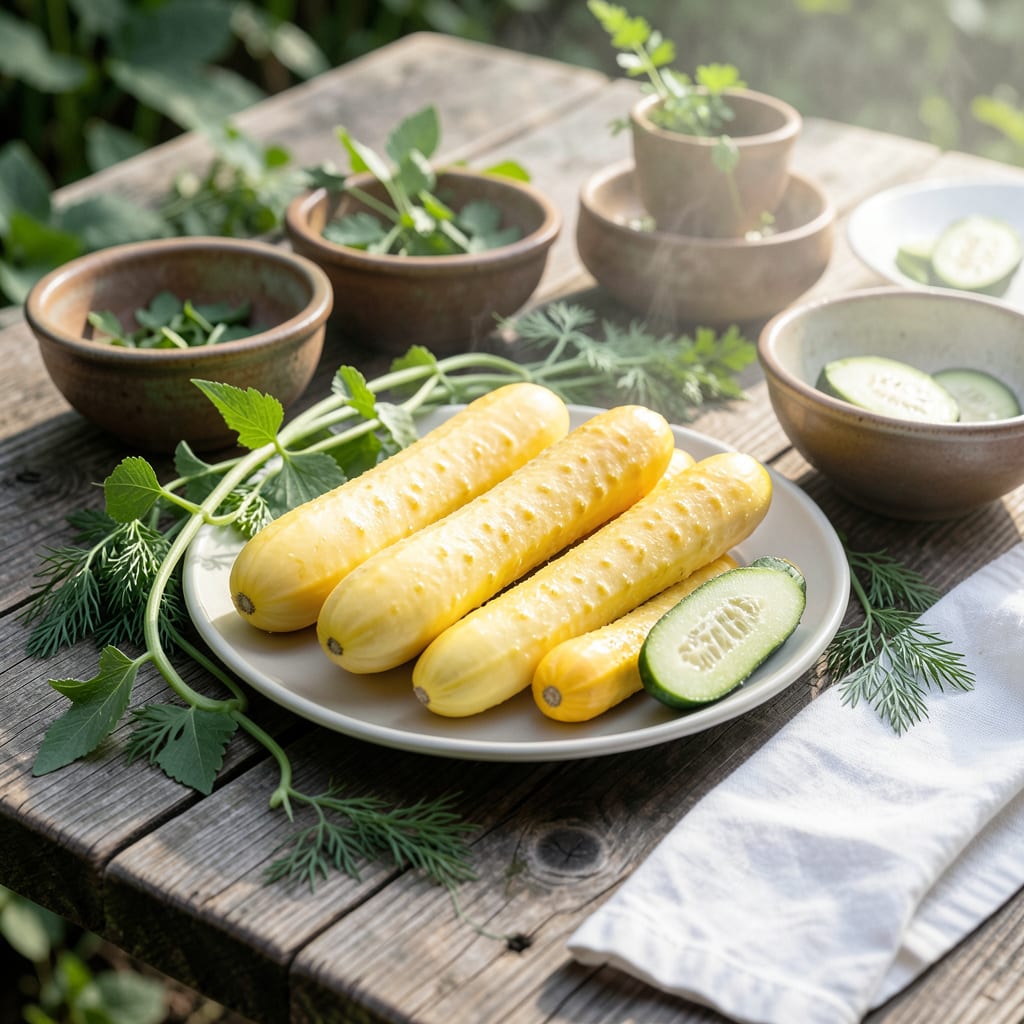
Fat, yellow cucumbers on the vine always mean one thing: they stayed too long. I’ve pulled more overripe cucumbers than I care to admit, all puffy and pale instead of crisp and green.
The real culprit is often just time—cucumbers turn yellow and fat when left past their prime. But water stress, poor pollination, or even a virus can cause the same look, so check the plant’s overall health before blaming the calendar.
Once they hit this stage, the texture turns bitter and seedy. Pick them young, when they’re still firm and bright, and harvest every 2-3 days in peak season to keep the plant productive.
Prevent future yellowing by watering consistently, supporting vines to reduce stress, and choosing disease-resistant varieties next season.
Your cucumbers may be fat and yellow due to a few common, fixable issues. Here’s the science behind each cause:
Cucumbers thrive in moist but not soggy soil. When overwatered, their roots suffocate, leading to stunted growth and swollen, misshapen fruit. The plant struggles to absorb nutrients, causing the cucumbers to turn yellow. Poor drainage exacerbates this, as waterlogged soil promotes root rot, which further disrupts nutrient uptake.
Cucumbers left on the vine too long often turn fat and yellow as they mature past their prime. This is a natural process: the fruit’s chlorophyll breaks down, and the skin thickens. Varieties like lemon cucumbers are naturally round and yellow when ripe, but traditional cucumbers signal overripeness this way.
A lack of nitrogen or potassium can cause yellowing. Nitrogen supports leafy growth, and its deficiency leads to pale, stunted cucumbers. Potassium, critical for fruit development, affects size and color. Test your soil—amending with compost or a balanced fertilizer can restore these essential nutrients.
Heatwaves or inconsistent watering stress the plant, triggering abnormal fruit development. High temperatures can accelerate maturation, turning cucumbers fat and yellow prematurely. Mulching and consistent irrigation help mitigate these effects.
Here’s how to address each cause of fat, yellow cucumbers and keep your garden thriving:
Let the top inch of soil dry out between waterings. Stick your finger in the dirt—if it feels damp, hold off. Water deeply only when needed, ideally in the morning to prevent fungal growth. Prevention tip: Use a moisture meter or set up a drip irrigation system for consistent, controlled hydration.
If your soil lacks nitrogen, switch to a balanced 10-10-10 fertilizer or add compost. For potassium or phosphorus deficiencies, use a formula higher in those nutrients (e.g., 5-10-10). Prevention tip: Test your soil annually and amend it before planting to avoid future imbalances.
Pick cucumbers when they’re firm, bright green, and 6–8 inches long (size varies by variety). Check plants daily—cucumbers grow fast! Prevention tip: Plant in succession (every 2 weeks) for a steady supply and avoid a glut of overripe fruit.
Shield plants from extreme heat with shade cloth (30–50% coverage) during peak afternoon hours. Ensure good airflow by spacing plants 12–24 inches apart. Prevention tip: Mulch around plants to retain moisture and regulate soil temperature.
Remove yellowed or spotted leaves immediately to curb the spread of disease. For pests like aphids, spray with neem oil or insecticidal soap. Prevention tip: Rotate crops yearly and avoid overhead watering to reduce fungal risks.
💡 Pro tip: Keep a garden journal to track watering, fertilizing, and harvest times. This helps you spot patterns and adjust care for healthier cucumbers next season!
Check your plants every 1-2 days during peak season. Cucumbers can grow from harvest-ready to overripe in just a few days, especially in warm weather.
Yes, but they’ll be seedy and bitter. Overripe cucumbers are safe to eat but lack the crisp texture and mild flavor of younger ones. Use them for pickling or compost if too far gone.
Water deeply at the base in the morning, keeping leaves dry. Use 1-2 inches per week, adjusting for rainfall. Drip irrigation works best to avoid wetting foliage.
This often signals poor pollination or nutrient deficiency. Bees may not have visited the flowers, or the plant may lack potassium. Hand-pollinate or add fertilizer to help.
