
Beautiful Plants For Your Interior
Beautiful Plants For Your Interior
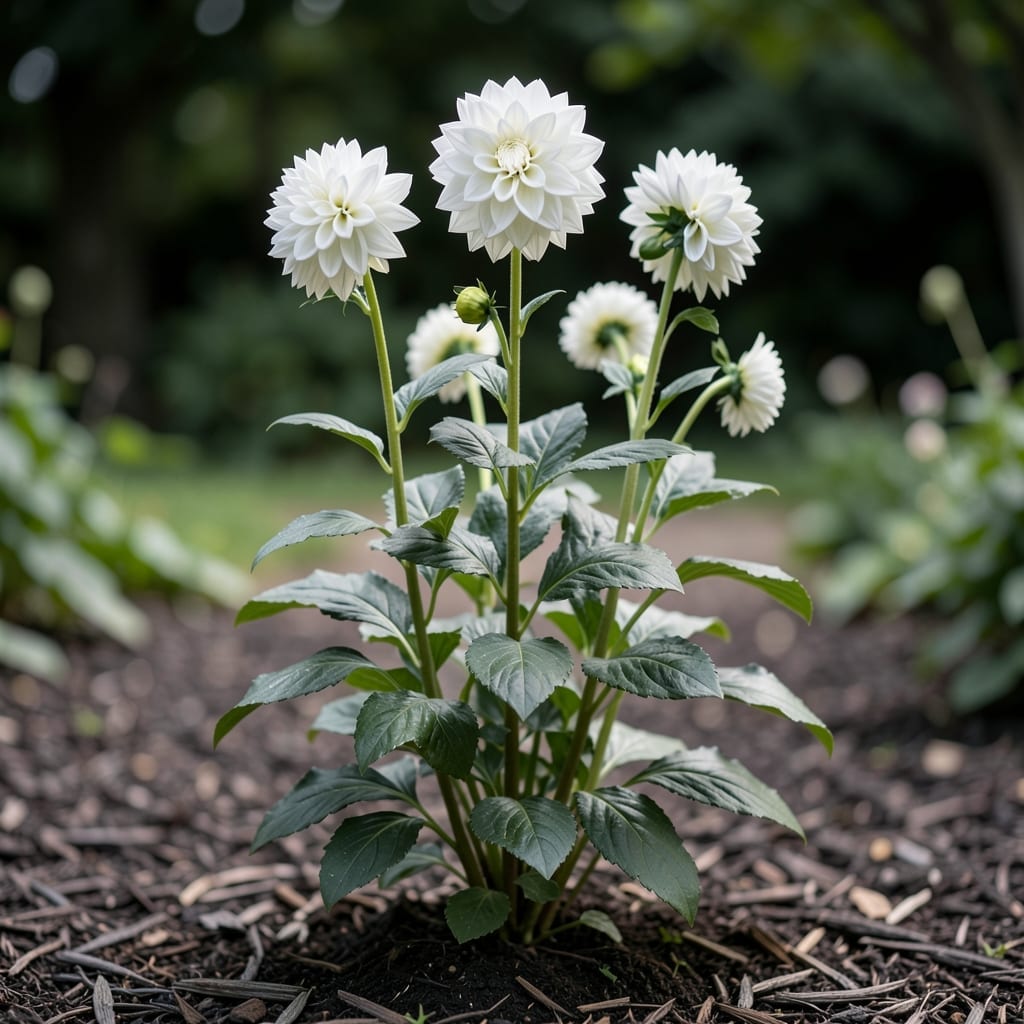
White Wizard dahlias bring pure magic to any garden. I’ve grown these for years, and their snow-white blooms against dark foliage never fail to stop visitors in their tracks.
These plants thrive with minimal fuss—just well-draining soil, 6-8 hours of sun, and consistent moisture. The real bonus? They resist most diseases that plague other dahlias, making them a foolproof choice for stunning summer displays.
📚 In This Guide
Here’s the method I use to grow robust White Wizard dahlias that resist disease and bloom spectacularly.
Choose a location with full sun exposure—at least 6-8 hours of direct sunlight daily. White Wizard dahlias thrive in well-draining soil, so avoid low-lying areas where water pools. I always amend the soil with compost to improve fertility and drainage before planting.
Test soil pH; dahlias prefer a range between 6.5 and 7.0. If your soil is too acidic, add lime to raise the pH. Work the compost and any amendments into the top 12 inches of soil for best results. This ensures roots can spread easily and access nutrients.
Plant tubers in spring after the last frost, when soil temperatures reach at least 60°F. Dig holes 6-8 inches deep and space them 18-24 inches apart to allow for air circulation, which is critical for preventing fungal diseases.
Place each tuber horizontally with the eye (the small bump where new growth emerges) facing upward. Cover with soil and water lightly to settle the dirt around the tuber. Don’t water again until sprouts appear above the soil—overwatering at this stage can cause tubers to rot.
Once sprouts emerge, water deeply 2-3 times per week, ensuring the soil stays moist but not waterlogged. I use a soaker hose to deliver water directly to the roots, keeping foliage dry to minimize disease risk. Dahlias are heavy feeders, so apply a balanced fertilizer every 3-4 weeks during the growing season.
Switch to a low-nitrogen, high-phosphorus fertilizer once buds form to encourage blooming. Always water at the base of the plant in the morning so leaves dry quickly, reducing the chance of fungal infections like powdery mildew.
White Wizard dahlias can grow 3-4 feet tall, so staking is essential to support their height and protect them from wind damage. Install stakes at planting time to avoid damaging tubers later. Tie stems loosely to stakes with soft twine as they grow.
Pinch off the top set of leaves when plants are 12 inches tall to encourage bushier growth and more blooms. Remove spent flowers regularly to promote continuous blooming and prevent seed formation, which can drain energy from the plant.
Inspect plants weekly for signs of pests or disease, such as yellowing leaves, spots, or powdery residue. Early detection is key—remove any affected foliage immediately and dispose of it away from the garden. I apply a copper-based fungicide preventatively every 2-3 weeks during humid weather.
Ensure good air circulation by thinning out crowded stems if necessary. Avoid overhead watering, especially in the evening, as damp foliage overnight creates ideal conditions for fungal growth. Healthy plants with strong stems and vibrant leaves are your best defense against disease.
Small adjustments make the difference between struggling plants and spectacular blooms.
The Sunlight Factor: Those 6-8 hours of direct sunlight aren’t just a suggestion—they’re critical for strong stems and abundant flowers. I learned the hard way that afternoon shade significantly reduces bloom size. If your garden gets partial shade, prioritize morning sun exposure.
Planting Depth Secret: The 6-8 inches deep planting depth in Step 2 protects tubers from late frosts while giving roots room to establish. Planting too shallow exposes tubers to temperature swings, while going too deep delays emergence. Trust the specified range for best results.
Watering Wisdom: In Step 3, the 2-3 times per week schedule assumes average conditions. During extreme heat, you may need to water daily, but always check soil moisture first. The soaker hose method mentioned is non-negotiable—overhead watering invites fungal issues that White Wizards are prone to.
Staking Strategy: Installing stakes at planting time as recommended in Step 4 prevents root damage later. I use bamboo stakes with soft twine, tying stems loosely to allow for growth. The 3-4 feet tall height means these plants will topple without support, especially when laden with blooms.
Keep your garden clean, avoid overhead watering, and ensure good air circulation. Remove any infected leaves or plants immediately to prevent spreading. Regularly apply fungicides as a preventive measure.
Plant tubers in spring after the last frost, when soil temperatures reach about 60°F (15°C). This ensures optimal growth and reduces the risk of cold damage.
Consider other white dahlia varieties like ‘Café au Lait’ or ‘Snowflake’. Both offer beautiful blooms and similar care requirements, making them great substitutes.
Yellowing leaves can indicate overwatering, poor drainage, or nutrient deficiencies. Check soil moisture and ensure proper fertilization with a balanced, low-nitrogen mix.