
Beautiful Plants For Your Interior
Beautiful Plants For Your Interior
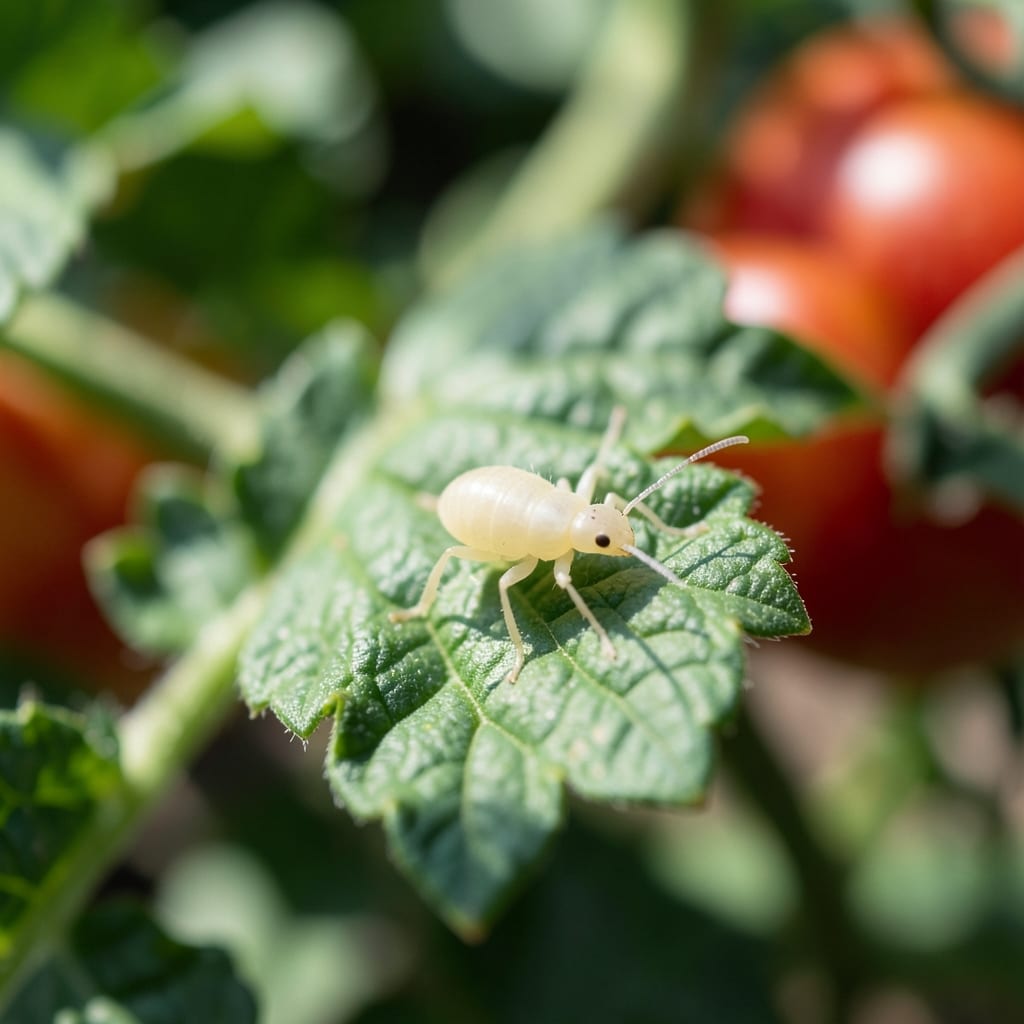
White vinegar can repel insects like ants and fruit flies due to its strong scent and acetic acid content, but it’s less effective against many garden pests and may need reapplication.
I’ve found the acetic acid in white vinegar disrupts insects’ ability to track food sources, making it particularly effective against trail-following pests like ants. 🔥 For fruit flies, the pungent smell masks scents that attract them to your kitchen. However, I notice it doesn’t work well on pests like aphids or beetles, which require different approaches for effective control.
💡 In This Article
The key lies in acetic acid, which makes up 4-5% of white vinegar. This compound disrupts ants’ pheromone trails, the chemical signals they use to navigate to food sources. When you spray vinegar, it essentially erases their scent roadmap, causing confusion and forcing them to abandon the area. 🔥
Fruit flies react differently—the strong odor overwhelm their olfactory receptors. Their brains interpret the sharp vinegar scent as a threat or uninhabitable environment. Studies show fruit flies can detect vinegar at concentrations as low as 0.1%, making even diluted solutions effective for these pests. ✨
For household use, I recommend a 1:1 ratio of vinegar to water for general repellency. The solution works best on hard surfaces where ants travel, like countertops and windowsills. Reapply every 2-3 days or after cleaning, as the acetic acid evaporates and the scent fades. This frequency maintains the disruption of pest communication. 💫
What most people don’t realize is vinegar’s pH of about 2.5 also creates an inhospitable environment for many insects. This acidity can break down the waxy coating on some insects’ exoskeletons, leading to dehydration. However, it’s less effective against pests with thicker protective layers, like beetles or roaches. ⚡
The effectiveness varies by species because different insects rely on different senses. Ants depend heavily on chemical trails, while mosquitoes are more attracted to carbon dioxide and body heat. White vinegar simply doesn’t address these other attractants, which is why it’s not a universal insect repellent. 🌟
No, it’s most effective against ants and fruit flies. The acetic acid disrupts ants’ pheromone trails, while the strong scent repels fruit flies. It’s less effective against mosquitoes, roaches, or garden pests like aphids.
For indoor use, reapply every 2-3 days or after cleaning surfaces. For garden sprays, reapply every 3-5 days or after rain. The scent fades as the vinegar evaporates, reducing its effectiveness.
Dilute it first—1 part vinegar to 3 parts water is safe for most plants. Test on a small leaf area first. Never use undiluted vinegar, as it can damage foliage or harm beneficial pollinators.
The acetic acid evaporates quickly, and the scent dissipates. Insects return once they no longer detect the repellent. Regular reapplication maintains the barrier they avoid.
Yes, white vinegar is non-toxic and safe when diluted. However, the strong smell may irritate pets’ sensitive noses. Keep spray bottles out of reach of children to prevent accidental ingestion.