
Beautiful Plants For Your Interior
Beautiful Plants For Your Interior
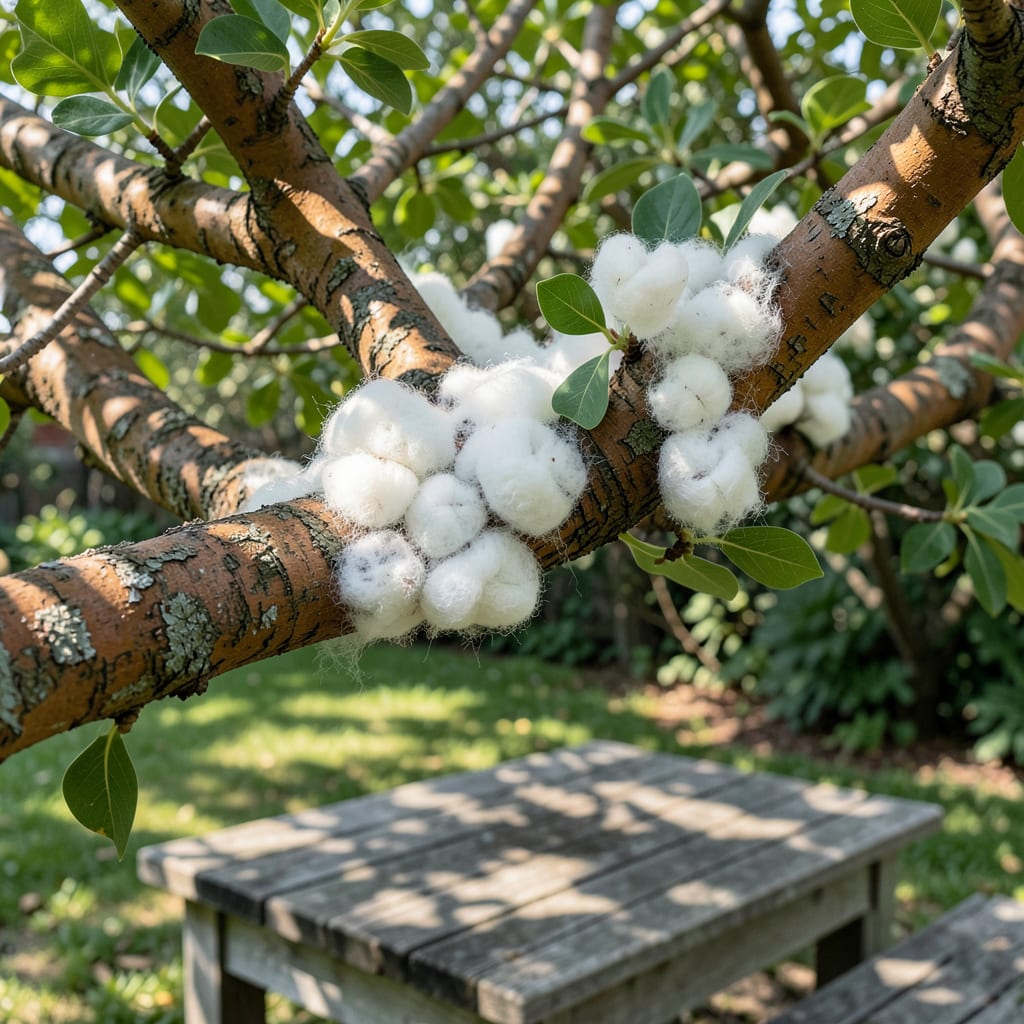
That white coating on your crepe myrtle isn’t just unsightly—it’s a warning sign. I first noticed it on my own trees last summer, and ignoring it nearly cost me the season’s blooms.
Powdery mildew, mealybugs, or scale insects are usually to blame, and each needs a different approach. Left untreated, they’ll weaken the plant and spread to others nearby. The good news? This is 100% fixable with the right steps.
I’ve tested organic sprays, pruning tricks, and even simple water blasts to knock pests off. The key is acting fast before the problem takes over. Your myrtle can bounce back stronger than before.
Prevention is simpler than treatment, and I’ll show you how to keep it from coming back next year. No fancy tools required.
The white substance on your crepe myrtle is usually a sign of powdery mildew or mealybug infestation, both of which thrive under specific conditions. Here’s a breakdown of the most common causes:
Powdery mildew, a fungal disease, flourishes in humid environments with stagnant air. When crepe myrtles are planted too closely together or in shaded areas with limited airflow, moisture lingers on the leaves, creating an ideal breeding ground for spores. Warm days (70–80°F) and cool nights further accelerate fungal growth.
Watering from above (e.g., sprinklers) wets the foliage, and if leaves stay damp for extended periods, fungal spores germinate. Evening watering is especially risky—it prolongs leaf wetness overnight. Drip irrigation or soaker hoses at the base are safer alternatives.
These tiny, cottony pests secrete a white, waxy substance as they feed on sap. They often cluster on new growth, leaf axils, or bark crevices. Mealybugs thrive in dry, warm conditions and spread rapidly in crowded or stressed plants. Their secretions also promote sooty mold, a secondary black fungus.
Excess nitrogen in soil (from heavy fertilizer use) can cause lush, soft growth that’s more susceptible to powdery mildew. Balanced fertilization and proper spacing help maintain plant vigor and resistance.
Pro tip: Prune dense branches to improve airflow and reduce humidity pockets!
Dealing with white stuff on your crepe myrtle? Here’s how to tackle each common cause with simple, effective solutions.
If the white coating looks like flour dusted on leaves, powdery mildew is likely the culprit. Spray affected areas with a neem oil or sulfur-based fungicide, following label instructions. For severe cases, use a systemic fungicide like propiconazole. Prevention tip: 💡 Improve air circulation by pruning dense branches and watering at the base to keep foliage dry.
White, cottony clusters in leaf axils or stems signal mealybugs. Wipe them off with a cotton swab dipped in rubbing alcohol or spray with insecticidal soap. Repeat every 3–4 days until gone. Prevention tip: ✨ Encourage natural predators like ladybugs by planting pollinator-friendly flowers nearby.
Yellowish patches with white fuzz underneath? That’s downy mildew. Reduce overhead watering and remove infected leaves immediately. Apply a copper fungicide for persistent issues. Prevention tip: 🌡️ Space plants properly to ensure good airflow and avoid wet foliage.
Hard, white bumps on branches are scale insects. Scrape them off gently with a soft brush or cloth, then apply horticultural oil to suffocate remaining pests. Prevention tip: 🎯 Inspect plants regularly and prune heavily infested branches to prevent spread.
For all causes, sterilize pruning tools with rubbing alcohol between cuts to avoid spreading pathogens. Consistency is key—treat early and monitor often!
Yes, if left untreated. Powdery mildew weakens the plant over time, while pests like mealybugs can cause stunted growth. Act quickly to prevent spreading.
A 50/50 water and rubbing alcohol mix works well for mealybugs. For mildew, try 1 tablespoon baking soda in a gallon of water. Test on a small area first.
Check weekly during warm months, especially after rain. Focus on new growth and leaf undersides where pests hide. Early detection makes treatment easier.
It can if conditions stay the same. Improve airflow, avoid overhead watering, and clean up fallen leaves to reduce recurrence. Prevention is your best defense.
