
Beautiful Plants For Your Interior
Beautiful Plants For Your Interior
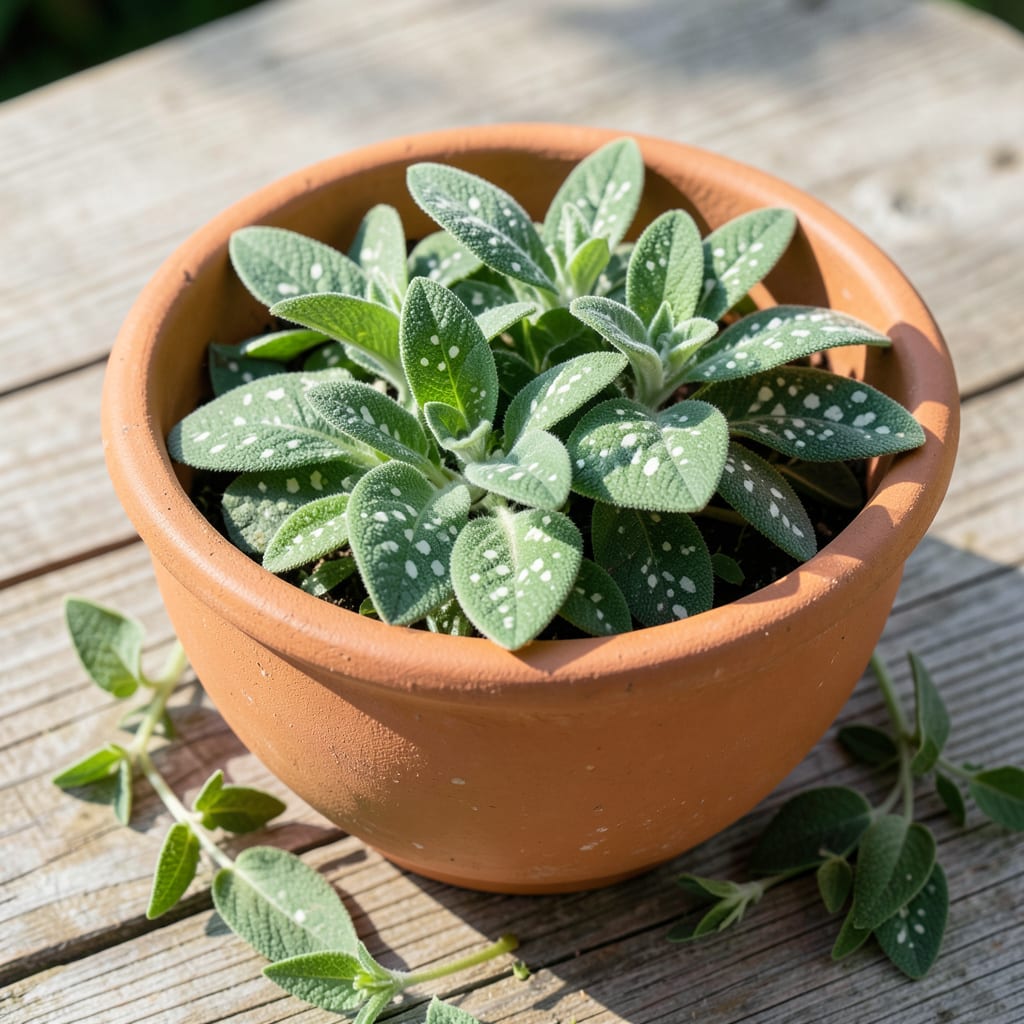
White spots on sage leaves are usually powdery mildew—a fungal party crashing on your plants. I first noticed it after a humid week, and ignored it for too long.
This fungus loves crowded plants, poor air flow, and wet foliage. Sage in shady spots or watered from above gets hit hardest. The good news? It’s treatable and preventable with simple changes.
You can stop the spread with better spacing, morning watering, and removing affected leaves. A homemade spray works too, but prevention beats cure every time.
Your sage will bounce back with darker, healthier leaves once the conditions improve. Early action makes all the difference.
White spots on sage leaves often stem from environmental stress or fungal infections. Below are the most common causes, explained with actionable insights.
Erysiphe cichoracearum or Podosphaera spp. are the primary fungal culprits behind powdery mildew. These pathogens thrive in high humidity (60-80%) and moderate temperatures (60-80°F), forming white, powdery spots on leaves. Spores spread via wind or water, quickly colonizing dense foliage. Poor air circulation—common in crowded gardens or shaded areas—accelerates growth.
Excess moisture on leaves or roots creates ideal conditions for fungal spores to germinate. Sage prefers dry, well-drained soil; soggy roots or frequent overhead watering (especially in evenings) trap humidity around the plant. This stress weakens the plant’s defenses, making it vulnerable to secondary infections like powdery mildew.
Low levels of potassium or phosphorus can compromise sage’s cellular structure, reducing its ability to resist pathogens. White spots may also appear due to chlorosis (nutrient-related discoloration), though this is less common than fungal causes. A soil test can confirm imbalances.
While less frequent, pests like spider mites or whiteflies can cause stippling or white residue on leaves. Their feeding damage may mimic early fungal symptoms, but closer inspection reveals webbing (mites) or sticky honeydew (whiteflies).
Pro Tip: 💡 Check the undersides of leaves first—powdery mildew often starts there before spreading upward.
If your sage leaves are sporting unwanted white spots, don’t panic—there are effective ways to treat and prevent the issue. Below are targeted solutions based on the most common causes, along with prevention tips to keep your sage healthy.
Powdery mildew thrives in damp, stagnant conditions. To combat it:
Prevention tip 💡: Water at the base of the plant (not overhead) and avoid evening watering to reduce humidity.
Spider mites or mealybugs can leave white residue. Here’s how to evict them:
Prevention tip 🎯: Inspect plants regularly, especially the undersides of leaves, and quarantine new plants before introducing them to your garden.
Too much direct sunlight can scorch leaves, causing white patches. Fix it by:
Prevention tip ✨: Sage prefers 6–8 hours of sunlight daily—adjust based on your climate’s intensity.
Yes, powdery mildew spores spread easily via wind or water. Isolate affected sage immediately and avoid touching healthy plants after handling infected ones.
Remove and discard spotted leaves—don’t consume them. The rest of the plant is safe once treated, but wash remaining leaves thoroughly before use.
Spray every 7-10 days until the issue clears, and continue as a preventative every 2-3 weeks during humid weather.
Morning sun helps dry foliage, reducing mildew risk. However, too much direct light can scorch leaves—aim for 6-8 hours daily.
