
Beautiful Plants For Your Interior
Beautiful Plants For Your Interior
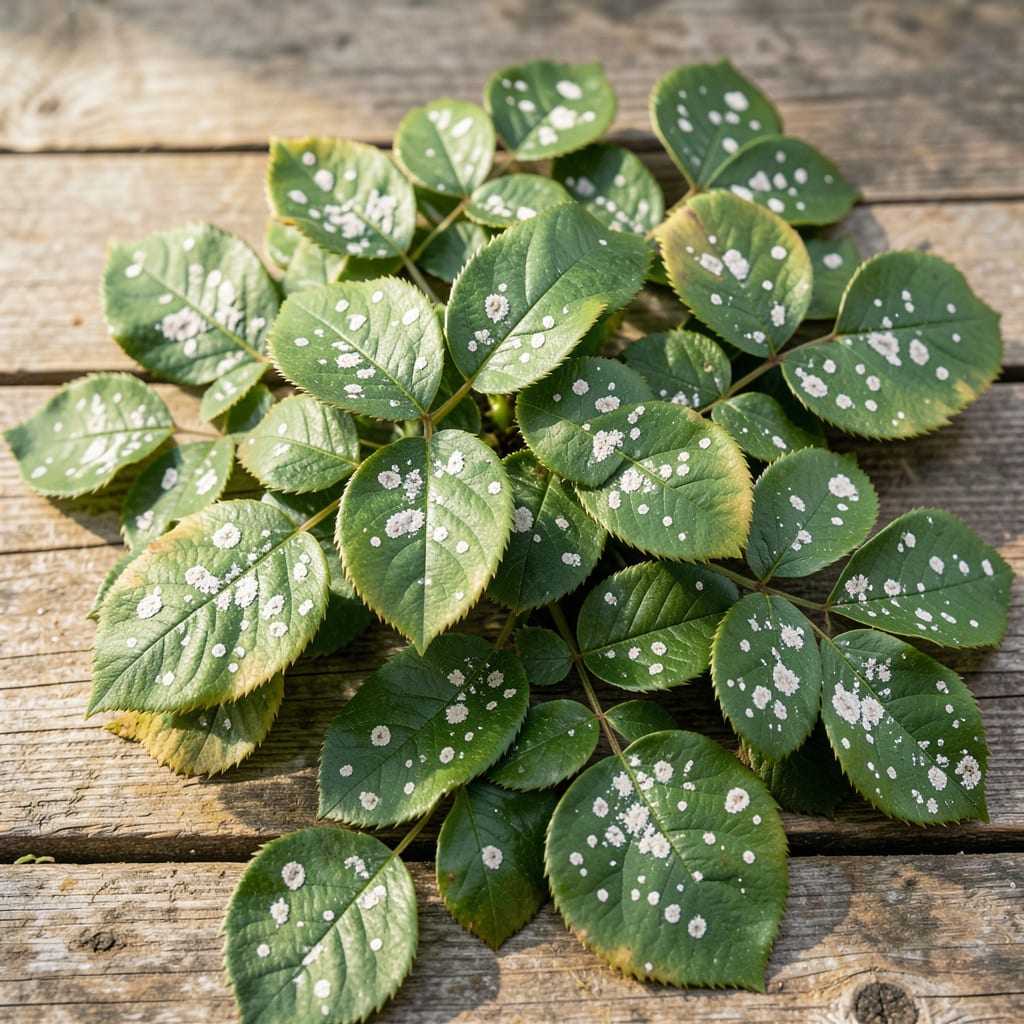
I noticed white spots on my rose leaves last spring. Turns out, catching the problem early makes all the difference in saving your plants.
Most cases point to powdery mildew or spider mites, both common but fixable. The key is acting fast before the issue spreads to healthy foliage and blooms.
Organic cures like neem oil or baking soda sprays work wonders without harsh chemicals. I’ve rescued dozens of bushes using just these simple fixes.
With the right approach, your roses can bounce back stronger and more resilient for the next growing season.
White spots on rose leaves often signal an underlying issue that disrupts the plant’s health. Here are the most common causes, explained scientifically for clarity and actionability:
Podosphaera pannosa or Sphaerotheca pannosa fungi thrive in warm, dry days with cool, humid nights. These pathogens form a white, powdery coating on leaves by feeding on plant cells, blocking sunlight and weakening photosynthesis. High humidity (60-80%) and poor air circulation accelerate spore germination.
Caused by the water mold Peronospora sparsa, this disease creates pale yellow or white patches on upper leaf surfaces, with a downy gray growth underneath. Unlike powdery mildew, it requires free water on leaves for spores to infect, often spreading during rainy or heavily irrigated conditions.
Spider mites, whiteflies, and mealybugs can leave stiplling or cottony white residue. Spider mites pierce cells to feed, causing tiny white or yellow speckles, while mealybugs excrete white, waxy filamentous coatings. These pests thrive in drought-stressed or over-fertilized plants.
Sun scorch or chemical burns (e.g., from improper pesticide use) can bleach leaf tissue, creating white patches. Excessive heat or reflected light damages chlorophyll, turning affected areas white or tan. Similarly, nutrient deficiencies (e.g., magnesium or iron) may cause interveinal chlorosis, appearing as white or yellow mottling.
Tackling white spots on your rose bush leaves starts with identifying the cause and applying the right fix. Here’s how to treat each common issue effectively:
Mix 1 tablespoon of baking soda + 1 teaspoon of dish soap + 1 gallon of water and spray it on the affected leaves weekly. Prune infected foliage to improve airflow. Prevention tip: 💡 Space plants properly and water at the base to keep leaves dry.
Blast mites off with a strong stream of water, then apply neem oil or insecticidal soap every 3–5 days until they’re gone. Prevention tip: ✨ Regularly mist leaves to deter mites and keep humidity up.
Remove and destroy infected leaves, then treat with a copper-based fungicide. Avoid overhead watering. Prevention tip: 🌡️ Water early in the day so leaves dry quickly in the sun.
Reduce watering frequency and improve drainage. If the soil is soggy, let it dry out before watering again. Prevention tip: 🎯 Use well-draining soil and pots with drainage holes.
For all issues, sterilize pruning tools with rubbing alcohol between cuts to avoid spreading disease. A little care goes a long way in keeping your roses vibrant!
Look for a white, powdery coating that wipes off easily with your finger. It often appears on upper leaf surfaces first.
Yes, neem oil is highly effective. Apply every 3-5 days until mites disappear. Use in the evening to avoid leaf burn.
Overwatering can lead to edema, creating blister-like white spots. Improve drainage and let soil dry between waterings.
Yes, the baking soda spray is safe for all rose varieties. Use 1 tablespoon per gallon of water to avoid leaf damage.
