
Beautiful Plants For Your Interior
Beautiful Plants For Your Interior
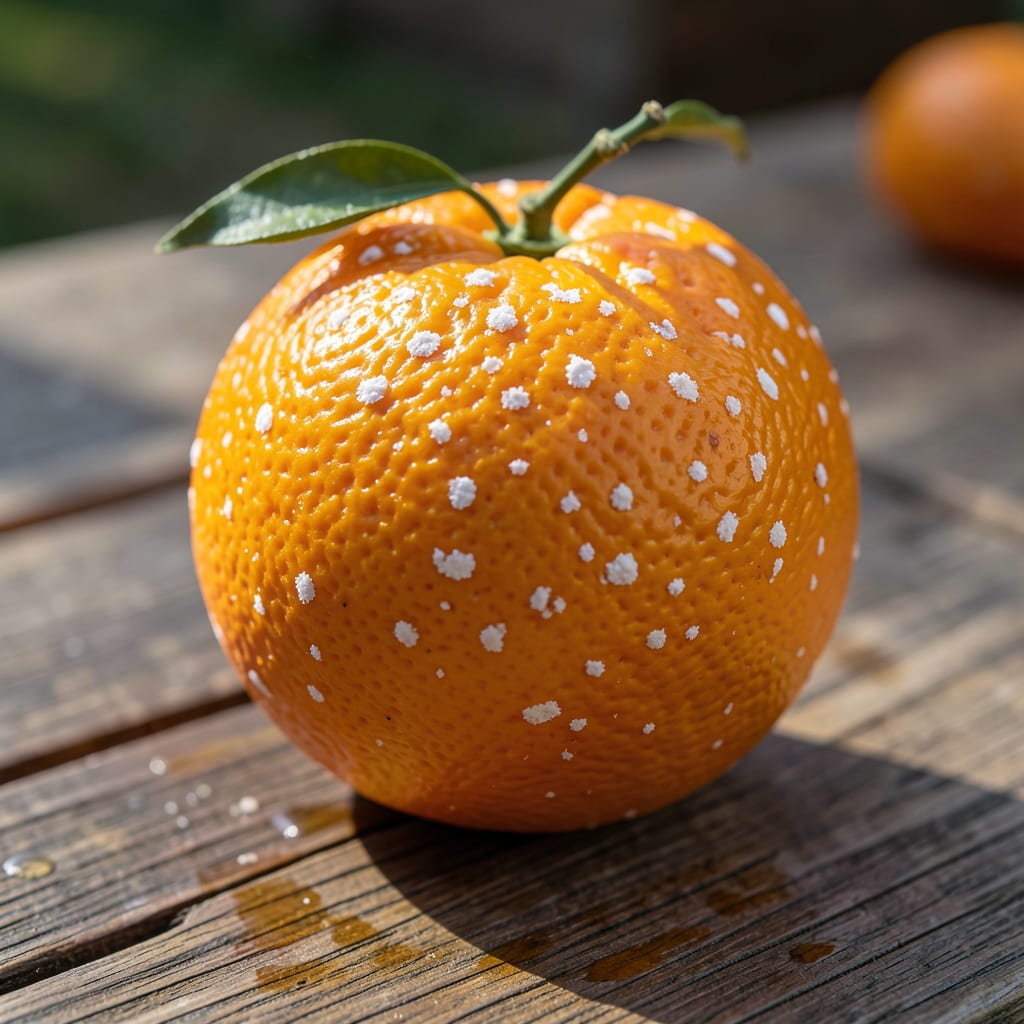
Those white spots on your orange peel aren’t just unsightly—they’re a sign something’s off. I’ve dealt with this more times than I’d like to admit, and the solution is simpler than you think.
Often it’s a fungal issue, but environmental stress can trigger it too. The good news? With the right approach, you can stop it in its tracks and prevent future outbreaks without harsh chemicals.
Your trees will bounce back with healthier fruit and cleaner peels once you address the root cause. The fix takes a few weeks but lasts through the season.
Works for backyard citrus, potted trees, or small orchards. Here’s how to diagnose and treat it properly.
Those unsightly white spots on your orange peel aren’t just a cosmetic issue—they often signal underlying problems. Here’s a breakdown of the most common causes, explained simply with actionable insights.
One of the primary culprits is powdery mildew, a fungal disease caused by Oidium or Erysiphe species. This fungus thrives in warm, humid conditions and appears as a white, powdery coating on the peel. It spreads via spores in the air or water, often affecting oranges in poorly ventilated groves or during wet seasons. Action: Improve airflow around trees and apply fungicides like sulfur or neem oil at the first sign of infection.
Overwatering or inadequate drainage creates a breeding ground for fungi and bacteria. When orange trees sit in soggy soil, their roots suffocate, weakening the plant’s defenses. This stress manifests as white, crusty spots on the peel. Action: Ensure proper drainage by amending soil with sand or perlite, and water only when the top inch of soil is dry.
Tiny pests like scale insects can leave behind white, waxy residue as they feed on the tree’s sap. This residue often resembles white spots and can attract sooty mold, compounding the problem. Action: Inspect the undersides of leaves and stems for pests. Use horticultural oil or insecticidal soap to eliminate infestations.
Sudden temperature swings or excessive sun exposure can cause physiological stress in oranges, leading to white, corky spots known as rind breakdown. This is common in regions with intense heat or cold snaps. Action: Provide shade cloth during peak sun hours and use mulch to stabilize soil temperature.
Dealing with white spots on your orange peel? Here’s how to tackle each cause with practical solutions and prevention tips to keep your citrus healthy.
Fix: Remove affected oranges immediately to prevent spreading. Apply a copper-based fungicide or neem oil spray to the tree, focusing on leaves and remaining fruit. Repeat every 7–10 days until the issue resolves.
Prevention: Improve air circulation around the tree by pruning dense branches. Avoid overhead watering to reduce moisture on leaves and fruit. 💡 Pro tip: Plant disease-resistant orange varieties if fungal issues persist.
Fix: Wipe off visible pests like mealybugs or scale insects with a soapy water solution (1 tsp mild soap per liter of water). For severe cases, use horticultural oil or insecticidal soap, following label instructions.
Prevention: Inspect trees regularly for early signs of pests. Introduce beneficial insects like ladybugs or lacewings to control pest populations naturally.
Fix: Adjust watering habits—ensure the soil is moist but not waterlogged. If the issue is sunburn, provide shade cloth during peak sunlight hours for young trees.
Prevention: Mulch around the base to retain soil moisture and regulate temperature. Water early in the day to allow foliage to dry before evening. ✨ Pro tip: Use drip irrigation to deliver water directly to the roots.
Fix: Test your soil to identify missing nutrients. Amend with a balanced citrus fertilizer (rich in nitrogen, potassium, and micronutrients like zinc or magnesium). Follow package instructions for application rates.
Prevention: Feed your orange tree seasonally—spring and early summer are ideal for fertilizing. Avoid over-fertilizing, which can lead to salt buildup in the soil.
Generally yes, but it depends on the cause. Fungal spots can be washed off, but severely affected fruit may taste off. When in doubt, discard it.
Improve airflow around trees, water at the base only, and apply neem oil preventatively every 2-3 weeks. This stops most fungal issues before they start.
Remove affected fruit immediately, then spray the tree with copper fungicide or horticultural oil. Repeat after 7-10 days for best results.
