
Beautiful Plants For Your Interior
Beautiful Plants For Your Interior
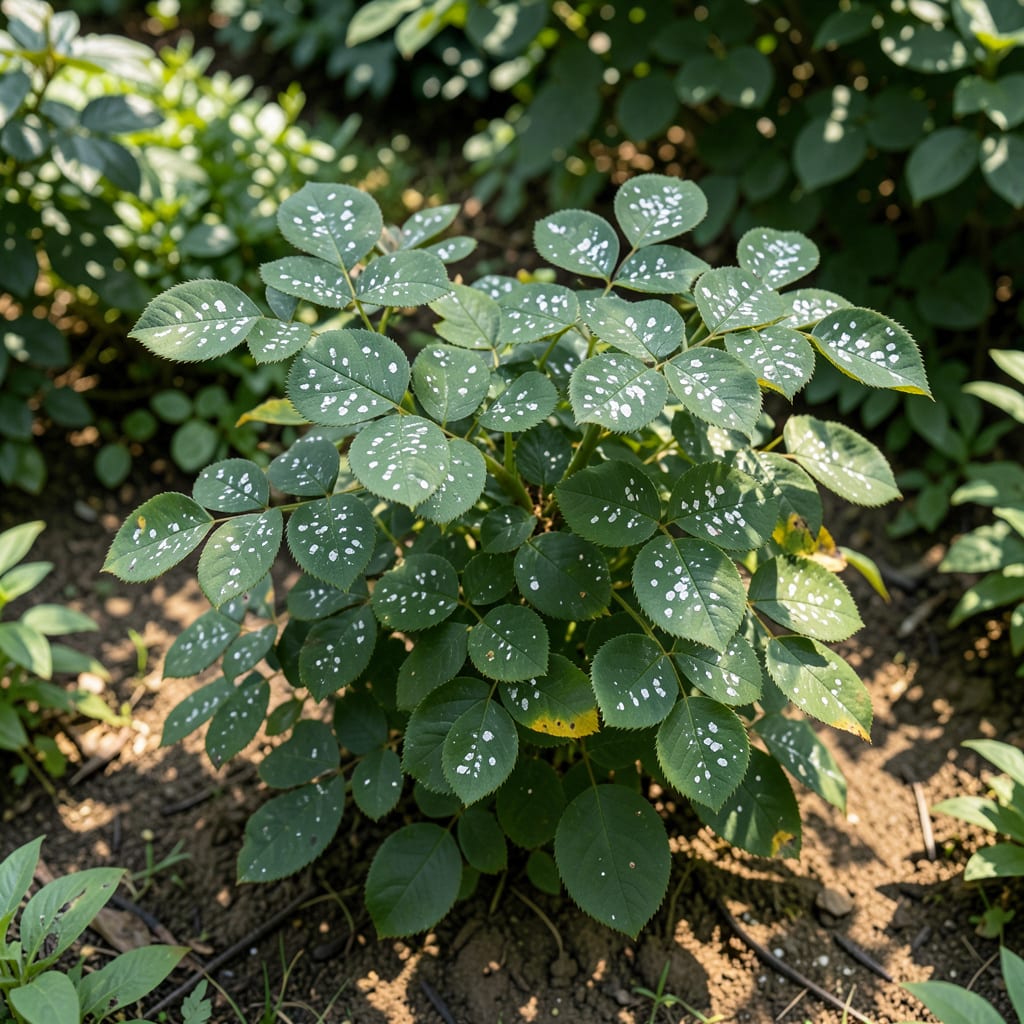
Spotted white patches on your knockout roses aren’t just unsightly—they’re a warning sign. I’ve seen powdery mildew, spider mites, and even sun scald create these exact patterns, and each requires a different approach.
Early action saves the plant. A quick inspection with a magnifying glass reveals whether you’re dealing with fuzzy growth, tiny webs, or dry edges. The solution often starts with better airflow or a simple spray.
Natural fixes work surprisingly well here. A 1:10 milk-water solution or neem oil application can clear up mildew within a week. Prevention is even simpler—space plants properly and water at the base.
Don’t wait for the spots to spread. Catching this early means your roses bounce back faster with vibrant blooms and healthy foliage all season long.
White spots on your knockout rose leaves are a sign of underlying issues, often tied to environmental stress or pathogens. Here’s a breakdown of the most common causes:
Powdery mildew is a frequent culprit, thriving in warm, humid conditions. This fungus (Podosphaera pannosa) coats leaves with a white, powdery film, blocking sunlight and weakening the plant. High humidity (above 60%) and poor air circulation create the perfect breeding ground. Left unchecked, it can spread rapidly, stunting growth and reducing blooming.
Overhead watering or excessive moisture on foliage can lead to leaf spot diseases, such as Cercospora or Alternaria. These fungi cause circular white or grayish spots with dark borders. Splashing water spreads spores, so watering at the base of the plant is key. Consistently soggy soil can also stress the roots, making the plant more susceptible to foliar issues.
Spider mites and thrips are tiny pests that feed on rose leaves, leaving behind white or yellow stippling. Spider mites, in particular, thrive in hot, dry conditions and can quickly multiply, causing widespread damage. Their feeding disrupts chlorophyll, leading to the characteristic white spots. Regularly inspecting the undersides of leaves can help catch these pests early.
Extreme temperature fluctuations, excessive sun exposure, or chemical burns from pesticides or fertilizers can also cause white spots. For example, neem oil or sulfur sprays applied in direct sunlight may scorch leaves, leaving white or brown patches. Ensuring proper application timing and dilution can prevent this damage.
Addressing white spots on your knockout rose leaves starts with identifying the cause. Here’s how to tackle each issue effectively:
Mix 1 teaspoon of baking soda, 1 quart of water, and a few drops of dish soap in a spray bottle. Apply to affected leaves every 7–10 days until the spots disappear. Prevention tip: 💡 Improve air circulation by pruning dense foliage and watering at the base to keep leaves dry.
Wipe off pests like spider mites or aphids with a damp cloth, then spray leaves with neem oil solution (follow package instructions). Repeat weekly for severe cases. Prevention tip: 🌡️ Encourage beneficial insects (e.g., ladybugs) by planting companion flowers like marigolds.
Move potted roses to a partially shaded area or use shade cloth for in-ground plants. Water deeply in the early morning to help recovery. Prevention tip: ✨ Acclimate new plants gradually to full sun over 1–2 weeks.
Gently rinse leaves with distilled or rainwater to remove hard water stains. Avoid overhead watering with tap water. Prevention tip: 🎯 Use a drip irrigation system to minimize leaf contact with minerals.
For persistent issues, remove heavily damaged leaves to prevent spread. Always sanitize pruning tools with rubbing alcohol between cuts!
Fungal spots often have a powdery texture or dark borders. Pest damage appears as tiny dots or webbing on leaf undersides. Use a magnifying glass to check for movement or fuzzy growth.
Yes, fungal spores and pests can travel to neighboring roses. Isolate affected plants and treat immediately. Improve airflow between plants to reduce spread risk.
A 1:10 milk-water spray works for mildew. For pests, wipe leaves with soapy water. Always test on a small area first to avoid damaging the plant.
Check leaves weekly during growing season. Focus on undersides and new growth where problems start. Early detection makes treatment much easier.
