
Beautiful Plants For Your Interior
Beautiful Plants For Your Interior
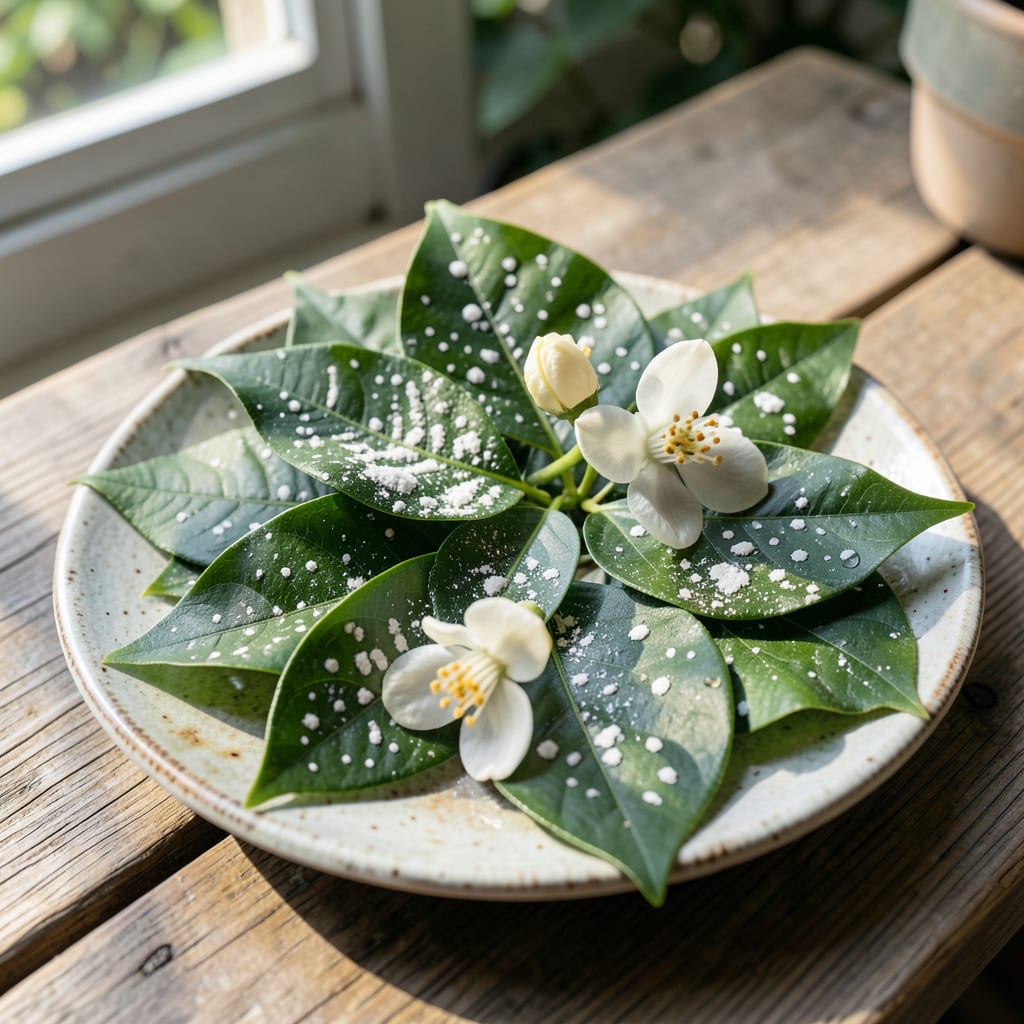
White spots on jasmine leaves always signal trouble brewing. I first noticed them on my star jasmine last summer—tiny white dots that spread fast, leaving leaves yellowed and weak.
The culprit is usually fungal, often powdery mildew or leaf spot diseases that love warm, humid conditions. Left unchecked, it spreads to other plants and weakens the entire shrub.
I fixed mine with a simple organic spray and better air circulation. The leaves cleared up within 2 weeks, and new growth came back healthy and strong.
Early action saves your jasmine from long-term damage. Here’s how to diagnose and treat it properly.
White spots on jasmine leaves usually stem from a few common culprits, each with distinct triggers. Here’s a breakdown of the most likely causes:
Powdery mildew (Erysiphe spp.) and downy mildew (Peronospora spp.) thrive in humid, poorly ventilated conditions. These fungi form white, powdery or downy patches on leaf surfaces as they feed on plant tissue. High humidity (above 70%) and temperatures between 60–80°F accelerate their growth. Overhead watering and crowded foliage worsen the problem by keeping leaves damp.
Mealybugs and spider mites leave behind white, cottony residue or stippling as they sap plant juices. Mealybugs cluster in leaf axils, while spider mites create fine webbing. Both pests weaken the plant and can introduce secondary infections. Dry, dusty conditions favor spider mites, while mealybugs spread rapidly in warm, sheltered environments.
Hard water or foliar sprays with high mineral content (e.g., calcium, magnesium) can leave chalky white deposits on leaves. This is especially common in areas with alkaline water. While not harmful, these spots can mimic disease symptoms and may block sunlight if excessive.
Overexposure to direct sunlight or chemical burns from improper pesticide use can cause localized white or bleached spots. Jasmine leaves may also develop white patches due to edema (water blisters) in high-humidity, low-light conditions, where cells rupture and leave scar tissue.
Tackling white spots on your jasmine leaves starts with identifying the cause. Below, we map common issues to simple, actionable fixes—plus tips to keep your plant thriving long-term.
Fix: Remove infected leaves immediately to stop the spread. Spray the plant with a homemade solution of 1 teaspoon baking soda + 1 quart water + a few drops of dish soap. Apply weekly until spots fade. For stubborn cases, use neem oil (mix 2 tbsp per gallon of water) and spray every 5–7 days.
Prevent: Improve air circulation by pruning dense foliage. Water at the base in the morning so leaves dry quickly. Avoid overhead watering.
Fix: Wipe leaves with a cotton swab dipped in rubbing alcohol (70%) to remove pests on contact. For larger outbreaks, spray with insecticidal soap (follow label instructions) or introduce ladybugs, natural predators of mites.
Prevent: Inspect new plants before bringing them near your jasmine. Keep humidity levels moderate—pests thrive in dry or overly damp conditions.
Fix: Let the soil dry out between waterings. Repot the plant in a well-draining mix (add perlite or sand to potting soil) and ensure the pot has drainage holes. Trim any black, mushy roots to prevent rot.
Prevent: Use a moisture meter or stick your finger 1–2 inches into the soil—water only when the top layer feels dry. Elevate pots to avoid waterlogging.
Fix: Move the plant to a spot with bright, indirect light. If chemical burn (e.g., from fertilizers) is suspected, flush the soil with water to remove residue. Prune damaged leaves to redirect energy to healthy growth.
Prevent: Acclimate jasmine gradually to sun exposure. Always dilute fertilizers to half-strength and apply to damp soil to avoid root shock.
💡 Pro Tip: Regularly clean leaves with a damp cloth to remove dust and deter pests. Healthy foliage resists disease better!
Yes, fungal spores and pests can travel between plants. Isolate affected jasmine immediately and avoid overhead watering to prevent spreading.
Baking soda spray is safe for most jasmine types, but test on a few leaves first. Use 1 teaspoon per quart of water with a drop of soap for best results.
With proper care, new growth should appear healthy within 2-3 weeks. Severely damaged leaves may not recover but will be replaced.
Improve air circulation, water at the base in morning, and clean leaves regularly. These simple steps stop most issues before they start.
