
Beautiful Plants For Your Interior
Beautiful Plants For Your Interior
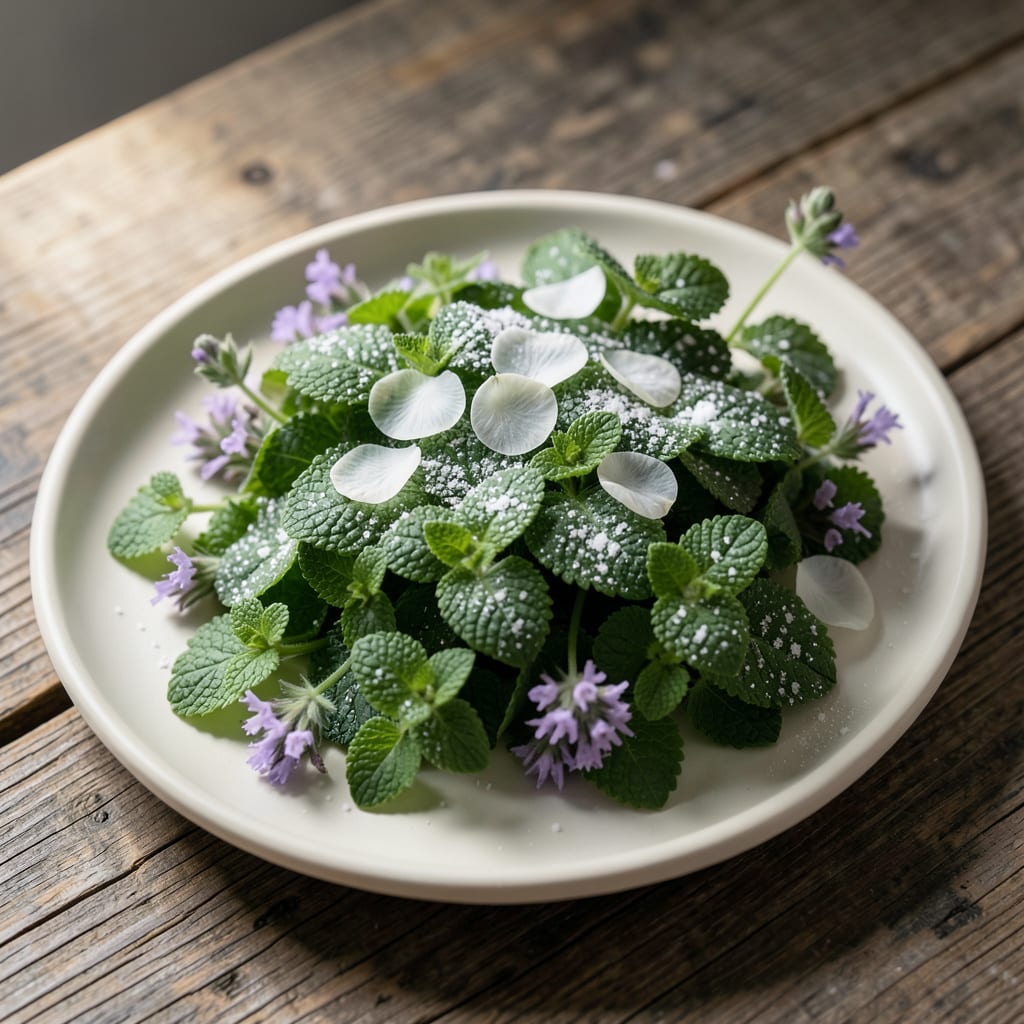
Those white spots on your catnip aren’t just unsightly—they’re stealing your plant’s strength. I’ve battled this exact issue in my own garden, and the good news is it’s 100% treatable once you know what you’re dealing with.
Powdery mildew thrives in humid conditions with poor air circulation, but pests or environmental stress can cause similar spots. The key is catching it early before it spreads to nearby plants and turns leaves yellow.
With a few simple adjustments to watering, spacing, and airflow, you can stop the spread in its tracks. I use a homemade spray that clears it up within a week without harsh chemicals.
Your catnip will bounce back with healthier growth and that classic minty scent your cats love. Here’s how to fix it for good.
White spots on catnip are usually a sign of powdery mildew, a fungal disease that thrives in specific conditions. Understanding the root causes helps you prevent and manage outbreaks effectively. Below are the most common triggers:
Powdery mildew flourishes in environments with humidity levels above 60% and stagnant air. When catnip plants are crowded or grown in poorly ventilated areas, moisture lingers on leaves, creating an ideal breeding ground for fungal spores. Spores germinate quickly in these conditions, leading to the characteristic white, powdery patches.
Watering catnip from above—especially in the evening—leaves foliage damp for extended periods. Prolonged leaf wetness (more than 6 hours) significantly increases the risk of infection. Drip irrigation or soaker hoses at the base of the plant are safer alternatives to keep leaves dry.
Planting catnip too closely restricts airflow between stems and leaves. This traps humidity and prevents foliage from drying efficiently. Space plants at least 18–24 inches apart to allow for proper circulation and reduce fungal growth opportunities.
Some catnip cultivars are genetically more prone to powdery mildew. While no variety is completely resistant, older or stressed plants are more vulnerable. Choosing disease-resistant seeds or cuttings and maintaining plant health through proper nutrition can lower the risk.
Dealing with white spots on your catnip? Here’s how to tackle the most common causes and restore your plant’s health.
If powdery mildew is the culprit, start by removing heavily infected leaves to prevent spread. Then, spray the plant with a mixture of 1 part milk to 9 parts water—the proteins in milk disrupt the fungus. For stubborn cases, use neem oil or a fungicide labeled for edible plants. Prevention tip: Space plants 18–24 inches apart and water at the base to keep foliage dry. 💡 Prune regularly to boost airflow.
Soggy soil invites fungal growth. Let the top inch of soil dry out between waterings, and use pots with drainage holes. If root rot is present, trim affected roots and repot in fresh, well-draining soil. Prevention tip: Water in the morning so excess moisture evaporates during the day. 🌡️ Avoid saucers that trap water under pots.
For spider mites or aphids, wipe leaves with a damp cloth or spray with insecticidal soap. Introduce beneficial insects like ladybugs for natural control. Prevention tip: Inspect new plants before bringing them near your catnip, and keep the area free of debris where pests hide. ✨ Reflective mulch can deter flying insects.
If white spots are from sun scorching, move the plant to partial shade (4–6 hours of sunlight max). Use shade cloth during peak afternoon hours. Prevention tip: Acclimate catnip gradually to outdoor light if it’s been indoors. 🎯 Mulch around the base to retain soil moisture and cool roots.
Yellowing leaves with white spots may signal a lack of magnesium or calcium. Use a balanced, water-soluble fertilizer (10-10-10) every 4–6 weeks. For organic options, try compost tea or crushed eggshells (for calcium). Prevention tip: Test your soil annually to catch deficiencies early. 🥗 Avoid over-fertilizing, which can stress the plant.
Not always. While powdery mildew is common, pests like spider mites or environmental stress can also cause white spots. Check for webbing under leaves or crispy edges to confirm the cause.
Yes, but avoid heavily infected leaves. Wash leaves thoroughly before use to remove spores or pests. Mild cases won’t harm cats, but severe infections may affect flavor.
Isolate affected plants immediately. Improve airflow, avoid overhead watering, and remove infected leaves. Apply neem oil weekly as a preventive measure.
They can if conditions remain the same. Rotate planting locations, clean garden tools, and choose resistant varieties. Solarize soil in spring to kill lingering spores.
