
Beautiful Plants For Your Interior
Beautiful Plants For Your Interior
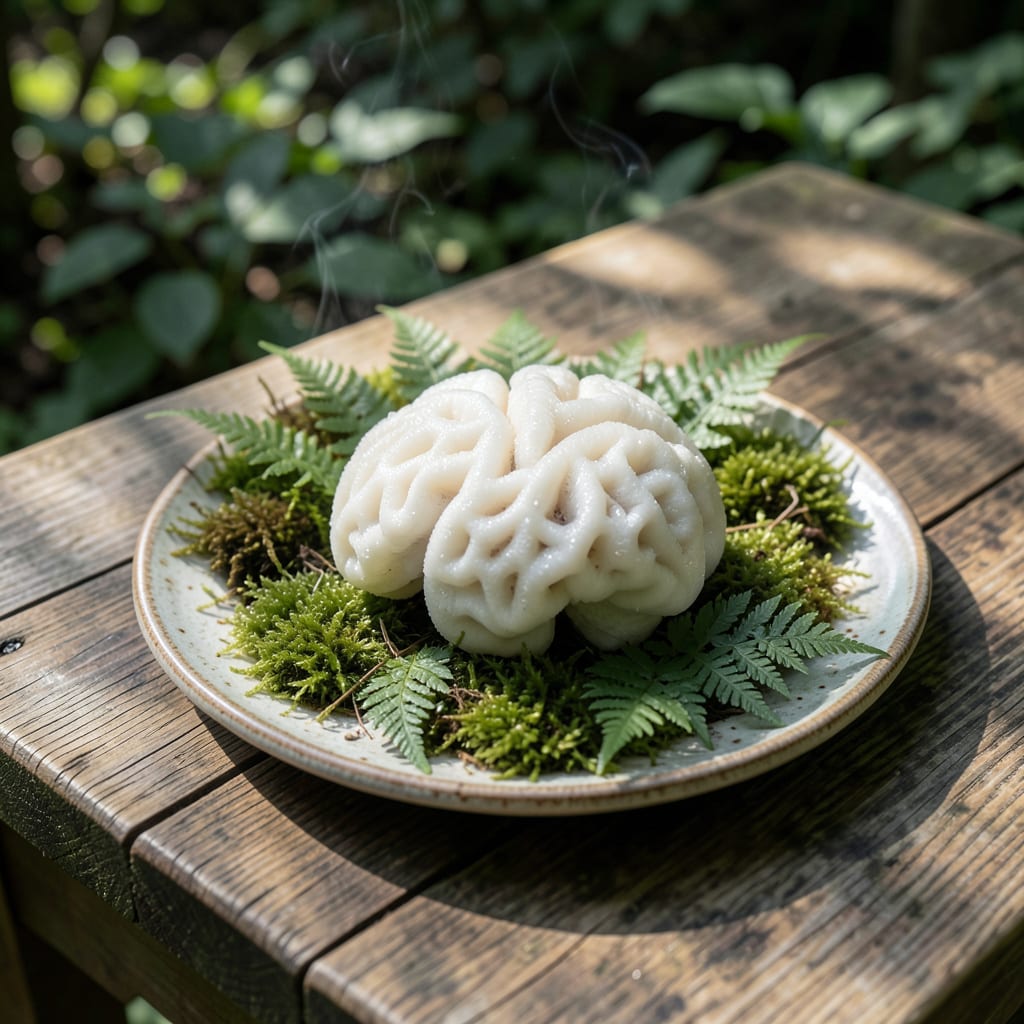
I spotted that white, spongy stuff in my garden last spring and panicked. Turns out it’s a common fungus that thrives in damp, shaded spots—especially after heavy rain.
It loves organic matter, so wood chips, mulch, and decaying leaves are prime targets. Left unchecked, it can spread to nearby plants, but here’s the good news: it’s manageable with the right approach.
Safe removal starts with improving airflow and sunlight. A little detective work reveals the best fixes, and prevention keeps it from coming back.
This works for flower beds, vegetable patches, or anywhere the fungus pops up. Let’s tackle it together.
White spongy fungus in your garden often appears due to a mix of environmental and biological factors. Understanding these causes helps you tackle the issue at its root. Below are the most common triggers, explained with actionable insights.
Fungi thrive in damp conditions. Overwatering, poor drainage, or frequent rain can create the perfect breeding ground for Sclerotinia or Phytophthora species, which often manifest as white, cottony growth. To prevent this, ensure your garden has proper drainage and avoid watering plants late in the day when evaporation is slower.
Decaying leaves, wood chips, or unremoved plant debris provide nutrients for fungi like Marasmius rotula. These organisms break down organic matter, but their presence can spread to healthy plants. Regularly clear fallen leaves and prune dead plant material to starve the fungus of its food source.
High humidity (above 70%) combined with temperatures between 60–80°F (15–27°C) accelerates fungal growth. This is especially common in greenhouses or densely planted gardens with poor air circulation. Improve airflow by spacing plants appropriately and using fans in enclosed spaces.
Compacted or nutrient-poor soil weakens plants, making them more susceptible to fungal infections. Fungi like Fusarium can take hold when roots are stressed. Boost soil health with compost or organic matter to strengthen plant resilience.
Insects such as aphids or whiteflies can spread fungal spores as they move between plants. Their honeydew secretions also create a sticky surface where fungi like sooty mold can grow. Use insecticidal soap or neem oil to control pests and reduce fungal spread.
Tackling white spongy fungus in your garden requires a mix of immediate action and long-term prevention. Here’s how to address the most common causes and keep your plants healthy.
Fungus thrives in damp conditions. Fix it: Reduce watering frequency and ensure your garden has proper drainage. Water plants at the base in the morning to allow foliage to dry quickly. For potted plants, use containers with drainage holes and a well-draining soil mix.
Prevention tip: 💡 Install a simple drip irrigation system to deliver water directly to the roots and avoid wetting the leaves.
Crowded plants trap moisture and create a breeding ground for fungus. Fix it: Thin out dense plantings to improve airflow. Prune overgrown branches and remove any dead or diseased foliage immediately.
Prevention tip: 🌬️ Space plants according to their mature size to ensure good air circulation from the start.
Leaves, mulch, and plant debris can harbor fungal spores. Fix it: Regularly rake up fallen leaves, twigs, and other organic litter from your garden beds. Replace old mulch with fresh, clean layers to reduce spore load.
Prevention tip: ✨ Use a thin layer of mulch (1-2 inches) to suppress weeds while still allowing the soil to breathe.
If the fungus persists, use natural remedies to combat it. Fix it: Spray affected areas with a mixture of 1 teaspoon baking soda, 1 quart of water, and a few drops of dish soap. Neem oil or copper-based fungicides are also effective for severe cases.
Prevention tip: 🎯 Rotate crops annually to prevent fungal buildup in the soil.
Yes, it can damage plants by stealing nutrients and blocking sunlight. Some types also cause root rot or leaf blight, so address it quickly.
White vinegar (5% acetic acid) can help, but dilute it to avoid harming plants. Mix 1 part vinegar with 4 parts water and spray directly on the fungus.
Yes, spores can travel via wind, water, or gardening tools. Isolate affected areas and clean tools with rubbing alcohol after use.
With proper treatment, you may notice results in 1-2 weeks. Consistent prevention is key to keeping it from returning.
