
Beautiful Plants For Your Interior
Beautiful Plants For Your Interior
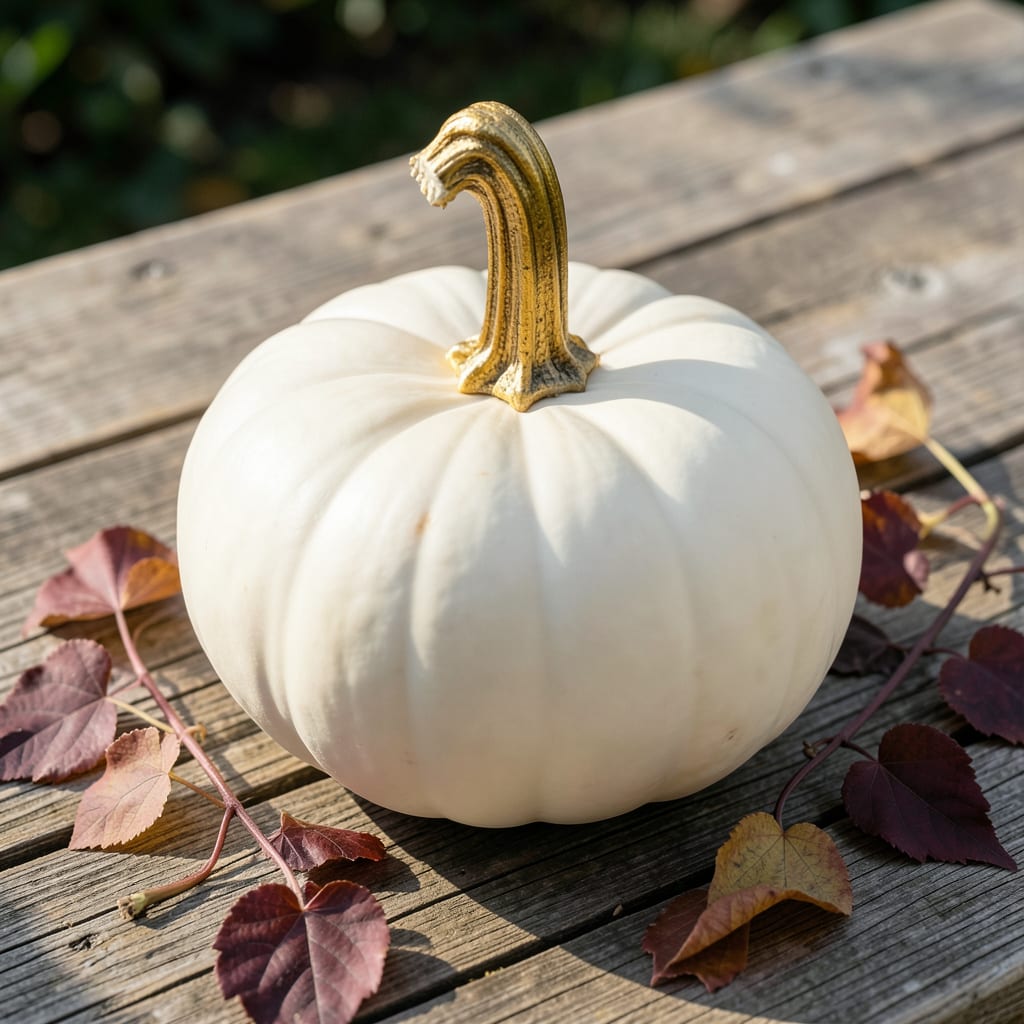
I first spotted this stunner at a fall festival and had to try growing it myself. The contrast between the pale skin and golden stem creates a showstopper in any garden or porch display.
This variety needs full sun and rich, well-draining soil. With consistent watering and a long growing season, you’ll get pumpkins that turn heads at harvest time.
📚 In This Guide
This method delivers strong vines and that stunning gold stem contrast you’re after.
Select a spot with full sun exposure—at least 6-8 hours of direct sunlight daily. These pumpkins need warmth to develop their distinctive coloration. Plant after the last frost when soil temperatures reach 60-65°F.
I always check the 10-day forecast before planting to avoid late cold snaps. The soil should feel warm to the touch at 4-inch depth when you insert your hand. Cooler soil delays germination and can mute the gold stem color.
Work the soil to a depth of 12-18 inches, removing any debris or large clumps. White pumpkins prefer well-draining soil enriched with compost. Mix in 2-3 inches of aged compost or well-rotted manure to provide nutrients.
Test soil pH—aim for 6.0-6.8. If your soil is too acidic, add lime according to package instructions. The right pH ensures proper nutrient uptake for that signature gold stem development.
Sow seeds 1 inch deep and 3-4 feet apart in rows spaced 5-6 feet apart. If using seedlings, plant them at the same depth they were growing in their containers. Space is crucial—these vines spread 8-12 feet in all directions.
Water thoroughly after planting until the soil is evenly moist. I use a gentle stream to avoid washing away seeds or disturbing roots. The top 1-2 inches of soil should stay consistently moist during the first 7-10 days of germination.
Once established, water deeply 1-2 times per week, providing 1-1.5 inches of water total. Let the soil dry slightly between waterings to encourage deep root growth. Drip irrigation works best to keep foliage dry and prevent disease.
Feed with a balanced fertilizer every 3-4 weeks once the vines start running. I switch to a low-nitrogen formula when the pumpkins begin to form to encourage stem color development rather than excessive leaf growth.
The gold stems typically appear as the pumpkins mature, usually 45-60 days after planting. You’ll notice the characteristic color change as the fruits approach harvest size. Reduce watering slightly during this period to intensify the gold coloration.
Harvest when the pumpkin skin is hard and the stem has turned fully gold. Use a sharp knife to cut the stem, leaving 2-3 inches attached to the pumpkin. This helps prevent rot during storage.
These practical insights will help you avoid common pitfalls and maximize that stunning gold stem color.
The Sunlight Factor: Those 6-8 hours of direct sunlight aren’t just a suggestion—white pumpkins absolutely need this much light to develop their signature coloration. I learned this the hard way when my first attempt in partial shade produced pale, sickly vines with barely any gold stems. Full sun also helps prevent fungal diseases that thrive in damp, shady conditions.
Soil Temperature Secret: Planting when soil reaches exactly 60-65°F at 4-inch depth makes all the difference. I check this by sticking my hand in the soil—if it feels warm to the touch, you’re good to go. Planting in cooler soil not only delays germination but can actually mute that beautiful gold stem color we’re all after.
Spacing Strategy: Don’t underestimate the 8-12 feet spread mentioned in Step 3. These vines need room to grow, and crowding leads to poor air circulation, which invites disease. I mark my planting spots with stakes first to visualize the space—you’ll be surprised how much room they need! The 3-4 feet between plants and 5-6 feet between rows is non-negotiable for healthy growth.
Watering Wisdom: That first 7-10 days of keeping the top 1-2 inches of soil moist is critical for germination. After establishment, the 1-1.5 inches of water per week (split into 1-2 waterings) encourages deep root growth. I switched to drip irrigation after losing a few plants to powdery mildew from overhead watering—it’s a game-changer for keeping foliage dry.
The white pumpkin gold stem stands out with its creamy white flesh and striking golden-yellow stem. It’s prized for its sweet, mild flavor and decorative appeal, making it perfect for both culinary use and autumn displays.
Plant seeds in late spring or early summer, once soil temperatures reach at least 60°F. This ensures optimal germination and growth before the first frost.
Yes! Use a large container (at least 5-10 gallons) with well-draining soil. Ensure the vines have support, like a trellis, and provide full sun for best results.
Yellowing stems may indicate overwatering, nutrient deficiency, or disease. Check soil moisture, fertilize as needed, and inspect for pests or fungal issues.
Try ‘Ghost Rider’ or ‘Luminous’ white pumpkins. Both offer similar aesthetics and flavor, though stem color may differ slightly.
