
Beautiful Plants For Your Interior
Beautiful Plants For Your Interior
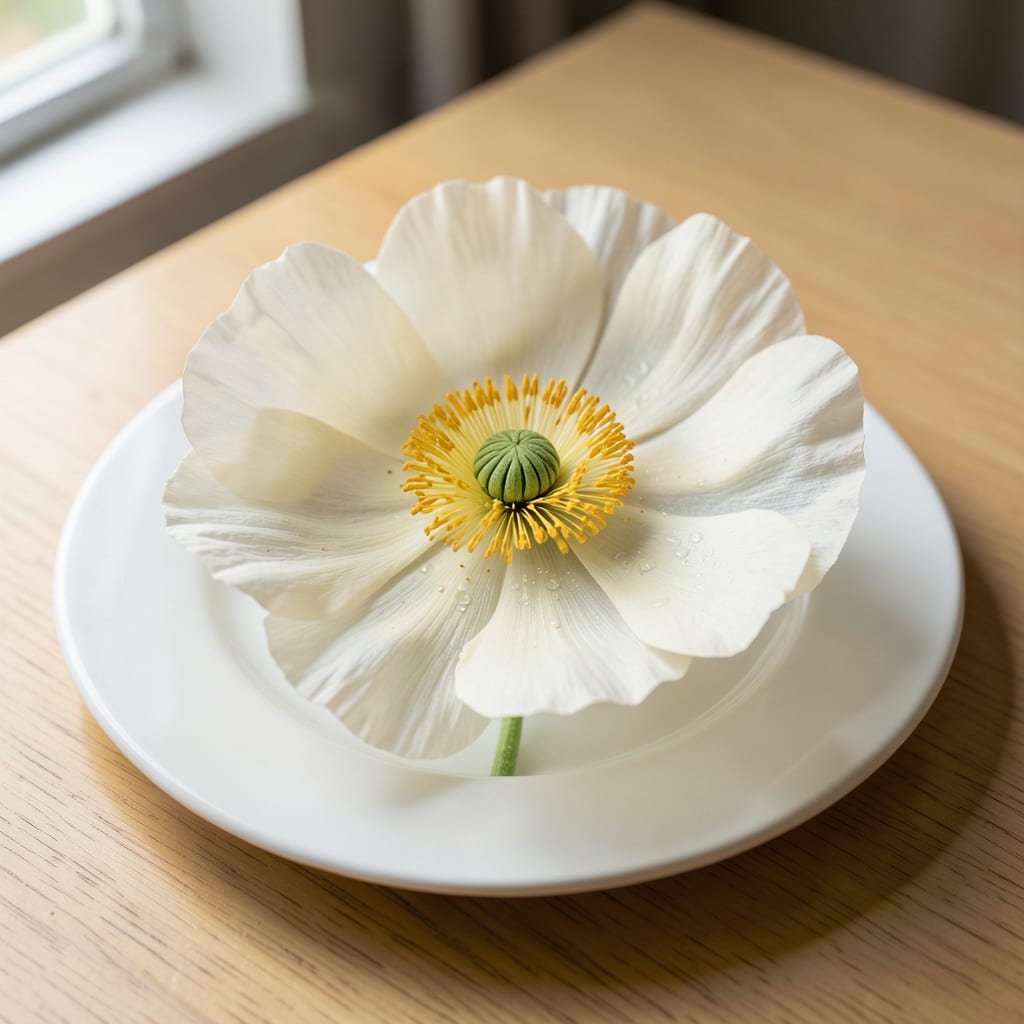
That first glimpse of white petals cradling golden centers stops me in my tracks every spring. These poppies bring drama without the diva care—just sun, decent drainage, and a little patience.
Plant in full sun with well-draining soil, water sparingly once established, and watch the contrast steal the show. They thrive where other flowers falter, returning year after year with that same breathtaking elegance.
📚 In This Guide
Here’s the method I use to cultivate these stunning blooms with their signature contrast.
Choose a site with full sun exposure, as white poppies thrive in 6-8 hours of direct sunlight daily. The yellow centers will appear more vibrant with ample light. Avoid low-lying areas where cold air settles, as poppies prefer well-drained soil and good air circulation.
Test your soil’s drainage by digging a 12-inch deep hole and filling it with water. If it drains within 2-3 hours, the location is suitable. Poppies despise soggy roots, so this check prevents future problems.
White poppies prefer slightly alkaline soil with a pH between 7.0-7.5. Work in 2-3 inches of compost to improve fertility without making the soil too rich—overly fertile ground produces lush foliage at the expense of flowers. The compost also enhances drainage in heavier soils.
Remove all weeds and debris, as poppies struggle to compete with aggressive plants. I’ve found that a light tilling to 6 inches deep creates the perfect seedbed. The soil should be fine but not powdery when you’re finished.
Sow seeds directly in early spring when soil temperatures reach 55-60°F. Poppies resent transplantation, so direct sowing is crucial. Scatter seeds thinly over the prepared bed and press them lightly into the soil—don’t cover them, as they need light to germinate.
Space seeds about 6-8 inches apart to allow for proper air circulation and growth. You’ll see germination in 10-20 days if conditions are right. Thin seedlings to 12 inches apart once they develop their first true leaves.
Water gently but thoroughly after planting, using a fine mist to avoid displacing the tiny seeds. Keep the soil consistently moist but not waterlogged during germination. Once established, poppies are drought-tolerant and prefer moderate moisture.
Reduce watering as plants mature—overwatering leads to root rot and weak stems. I water deeply once a week unless we’ve had significant rain. The yellow centers will be most striking when plants aren’t stressed by inconsistent moisture.
To encourage more blooms, deadhead spent flowers by cutting the stem back to a leaf node. However, leave some flowers to go to seed if you want self-sowing for next year. Poppies are prolific self-seeders, and you’ll often see new plants emerging in the same spot the following spring.
After flowering ends, cut back the foliage to 2-3 inches above ground level. This tidies the garden and prevents fungal diseases. The plants will die back naturally, but this cleanup helps maintain the garden’s appearance while allowing the poppies to return next season.
Here are the key insights I’ve learned from years of growing these striking flowers.
Sunlight Essentials: Those 6-8 hours of direct sunlight daily aren’t just a suggestion—they’re critical for vibrant yellow centers and strong stems. If your garden has partial shade, prioritize morning sun, which is less intense and prevents petal scorch. I’ve noticed the contrast between white petals and yellow centers is sharpest when plants get full sun.
Drainage Test Tip: The 2-3 hours drainage check in Step 1 is non-negotiable. If water lingers longer, consider amending the soil with sand or choosing a raised bed. Poppies in soggy soil often develop root rot, which stunts growth and dulls the flower’s vivid coloring.
Soil Prep Wisdom: When working in 2-3 inches of compost in Step 2, avoid overdoing it—too much organic matter can lead to excessive foliage with fewer blooms. Also, tilling to exactly 6 inches deep ensures the soil is loose enough for roots to spread while still providing stability for the plants.
Timing and Depth: The 55-60°F soil temperature range for sowing in Step 3 is ideal for germination within 10-20 days. Use a soil thermometer to confirm conditions; planting too early in cold soil can delay sprouting or cause seeds to rot. And remember, pressing seeds lightly into the soil—not covering them—is key, as they need light to germinate.
White poppies with yellow centers often symbolize peace, remembrance, and hope. Their striking contrast also represents purity (white) and positivity (yellow), making them a meaningful addition to gardens and floral arrangements.
Plant seeds in well-drained soil with full sun exposure. Water moderately and avoid over-fertilizing. These poppies thrive in cooler climates and typically bloom in late spring to early summer. Patience is key—they may take a few weeks to germinate!
Yes! If you love the contrast, consider black-eyed Susans, coreopsis, or even daisies with similar color patterns. These alternatives offer a comparable aesthetic while being easier to maintain in some regions.
Fading centers can result from excessive sunlight, poor soil quality, or overwatering. Ensure your poppies get partial shade in extreme heat and maintain balanced moisture levels for vibrant blooms.
