
Beautiful Plants For Your Interior
Beautiful Plants For Your Interior
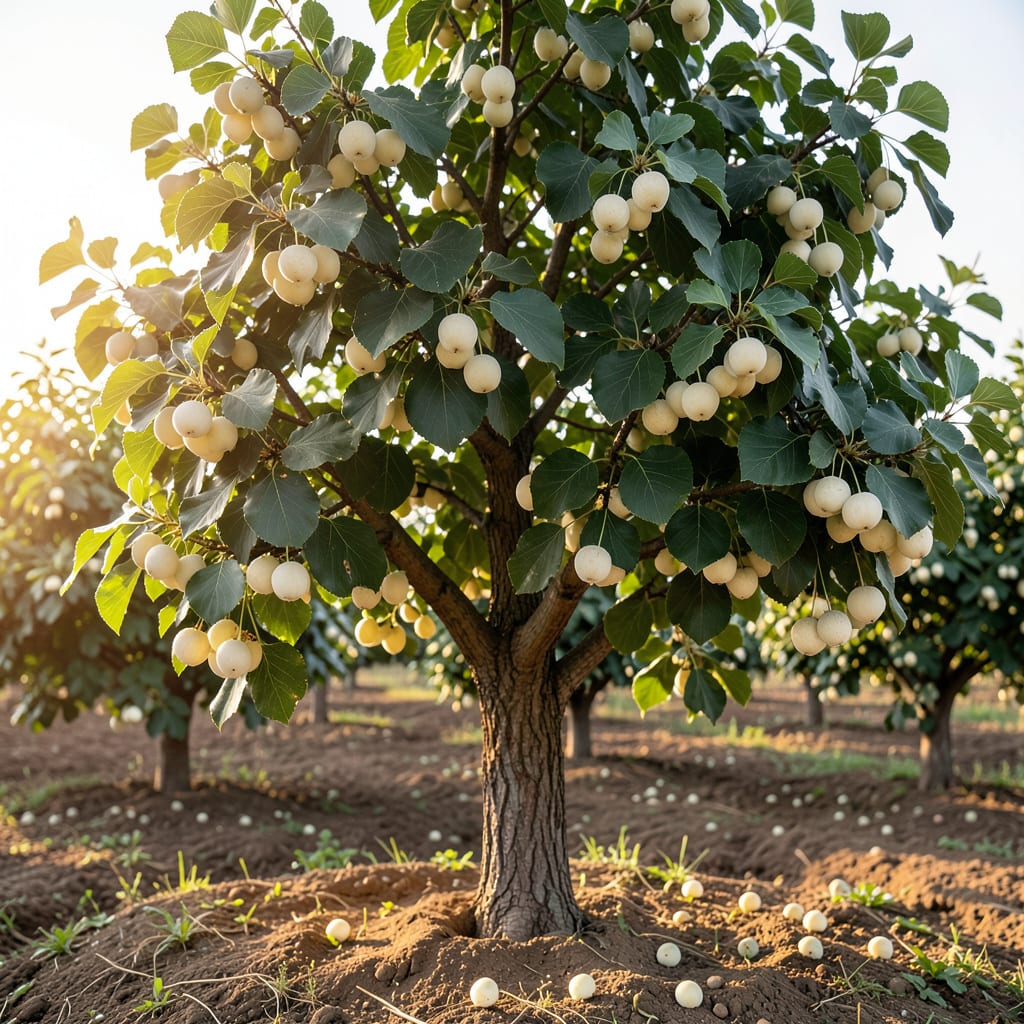
This tree changes everything about your backyard. I planted one three years ago, and it’s become the focal point of my garden with its sweet fruit and generous shade.
It handles heat better than most fruit trees and starts producing within 2-3 years. The white berries are mess-free compared to dark varieties, and birds leave most of them for you to enjoy.
📚 In This Guide
Here’s the method I use to establish a healthy, fruit-bearing mulberry with minimal stress on the plant.
Choose a location with full sun exposure and well-draining soil. White Pakistan mulberry trees thrive in USDA zones 7-10 and require space to mature, so ensure the site accommodates a 30-40 foot spread at full growth. Avoid low-lying areas where water pools after rain.
Test soil drainage by digging a 12-inch deep hole and filling it with water. If the water drains within 1-2 hours, the site is suitable. If not, amend the soil with organic matter or select a different location. I always check the soil pH too—mulberries prefer slightly acidic to neutral soil (6.0-7.0 pH).
Dig a hole that is twice as wide as the root ball and just as deep. For container-grown trees, measure the root ball diameter and depth before digging. For bare-root plants, create a hole wide enough to spread the roots comfortably without bending or crowding.
Loosen the soil at the sides and bottom of the hole to encourage root penetration. I use a garden fork for this because it breaks up compacted soil more effectively than a shovel. Remove any rocks, debris, or weeds from the hole to give the tree the best possible start.
Place the tree in the hole, ensuring the top of the root ball sits 1-2 inches above the surrounding soil level. This slight elevation prevents water from pooling around the trunk, which can lead to rot. For bare-root trees, position the plant so the soil line from the nursery is level with the surrounding ground.
Backfill the hole with native soil, tampering gently as you go to eliminate air pockets. Water the tree thoroughly after planting, using 10-15 gallons of water to settle the soil. I always create a 3-4 inch high watering ring around the base to help direct moisture to the roots.
Apply a 2-4 inch layer of organic mulch, such as wood chips or shredded bark, around the base of the tree. Keep the mulch 6 inches away from the trunk to prevent moisture buildup against the bark, which can attract pests and diseases.
If the tree is tall or the site is windy, stake it for support. Use two or three stakes and soft tree ties to secure the trunk without restricting growth. Remove the stakes after the first growing season to allow the tree to develop natural strength. I’ve found that young mulberries establish faster with this extra support.
Water the tree deeply 2-3 times per week for the first 2-3 months, then reduce to once a week unless rainfall is insufficient. The goal is to keep the soil consistently moist but not waterlogged. You’ll know the tree needs water when the top 2-3 inches of soil feel dry.
Monitor the tree for signs of stress, such as wilting or yellowing leaves. If you notice these symptoms, check the soil moisture and adjust your watering schedule accordingly. I also watch for new growth, which typically appears within 4-6 weeks after planting—a clear sign the tree is establishing well.
Small details in planting can make a big difference in how well your tree establishes.
Site Selection Insight: In Step 1, when testing drainage with that 12-inch hole, note that the 1-2 hour drainage time is critical. If water sits longer, consider amending with compost or choosing a raised bed to prevent root rot in poorly draining areas.
Planting Depth Precision: For Step 3, that 1-2 inch elevation above soil level isn’t just suggestion—it’s essential. I learned this after losing a young tree to trunk rot from water pooling. Even in well-draining soil, this slight mound prevents moisture accumulation.
Watering Technique: The 10-15 gallons mentioned in Step 3 should be applied slowly to allow deep soil penetration. Create that 3-4 inch watering ring as suggested—it prevents runoff and ensures moisture reaches the root zone where it’s needed most.
Mulching Strategy: When applying that 2-4 inch mulch layer in Step 4, remember that the 6-inch gap from the trunk is non-negotiable. Mulch against the bark creates perfect conditions for pests and disease. I use a ruler to measure this distance precisely.
This fast-growing tree typically adds 1-2 feet per year under ideal conditions, reaching 30-40 feet in height at maturity. Regular watering and well-drained soil can accelerate its growth.
Plant in early spring or fall to avoid extreme temperatures. This allows the roots to establish before summer heat or winter frost.
Yes! Consider black mulberry (Morus nigra) for sweeter fruit or red mulberry (Morus rubra) for a hardier, native option.
Lack of fruit may stem from young age (trees under 3 years), poor pollination, or insufficient sunlight. Ensure it gets full sun and cross-pollination with another mulberry variety.
Water deeply 1-2 times weekly during dry spells. Mulch around the base to retain moisture, but avoid waterlogging the roots.
