
Beautiful Plants For Your Interior
Beautiful Plants For Your Interior
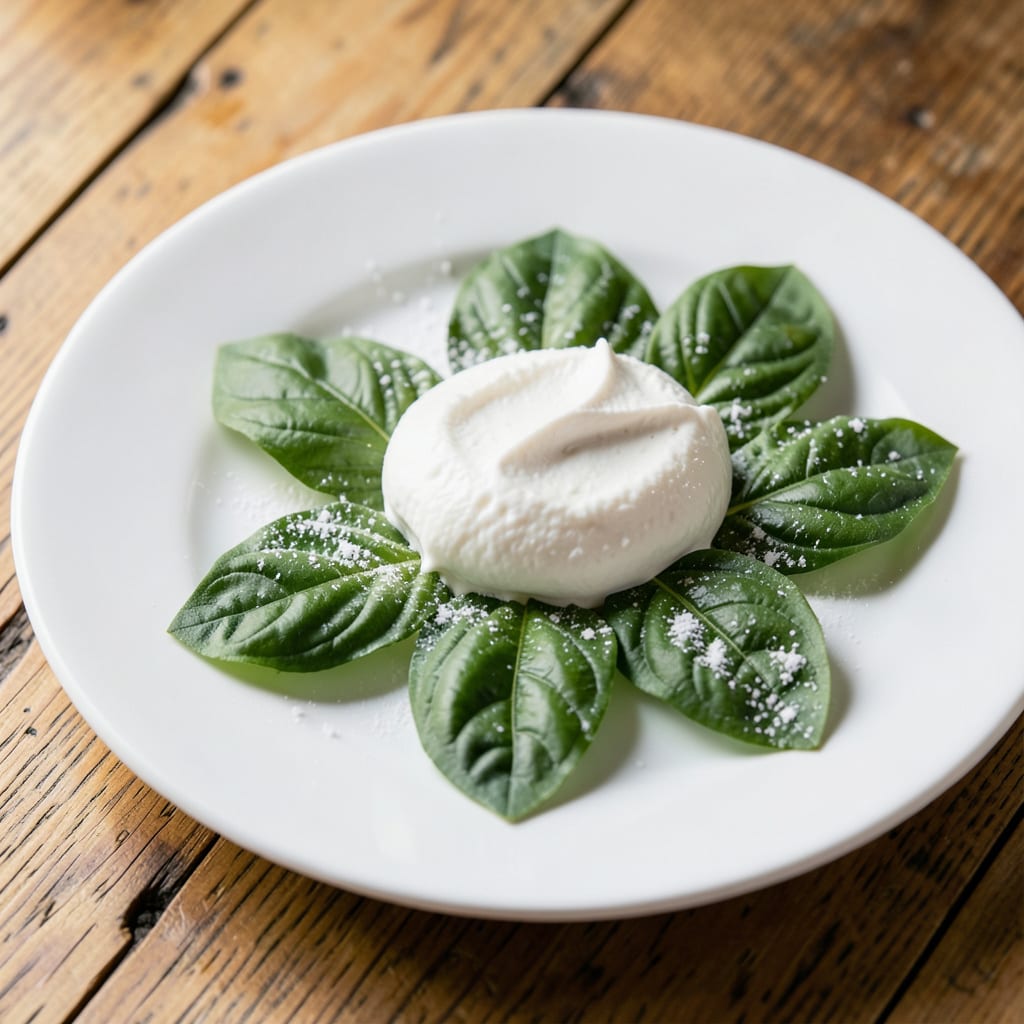
White spots on basil leaves had me stumped my first season. Turns out, most cases come down to just three culprits: powdery mildew, spider mites, or water spots.
Powdery mildew looks like someone dusted your plants with flour. Spider mites leave tiny dots and webbing. Water spots appear as white crusty residue from minerals.
I fixed all three with simple adjustments: better airflow, neem oil spray, and distilled water for irrigation. The plants bounced back within 2 weeks.
Early identification is key—catch it fast and your basil will recover completely.
The white substance on basil leaves typically stems from one of several common issues, each with distinct underlying causes. Understanding these can help you address the problem effectively.
This fungal disease (Erysiphe cichoracearum) thrives in warm, humid conditions with poor air circulation. The fungus spores land on leaves, germinate, and form a white, powdery coating as they spread. High humidity (above 60%) and temperatures between 60–80°F create ideal conditions for growth. Overcrowded plants or wet foliage exacerbate the issue.
White residue can also result from pest activity. Mealybugs leave cottony white masses as they feed on plant sap, while spider mites may cause stippling and fine webbing. Aphids secrete honeydew, a sticky substance that often turns white or moldy as sooty mold grows on it. Inspect the undersides of leaves for clusters or webbing.
Hard water or foliar sprays (e.g., neem oil) can leave chalky white mineral deposits on leaves. This is especially common if water evaporates quickly, leaving behind calcium or magnesium residues. While harmless, it can resemble fungal growth, so check for uniformity and wipe the leaves to test.
Overwatering or sudden temperature fluctuations can cause edema, where plant cells burst, leaving white or tan blisters. This is less common but may appear as raised, crusty spots. Ensure consistent moisture and avoid cold drafts or excessive heat near your basil.
Dealing with white spots or coating on basil leaves? Here’s how to tackle each cause with simple, effective fixes.
Mix 1 teaspoon of baking soda and 1 quart of water, then add a few drops of dish soap. Spray this solution on affected leaves weekly until the issue clears. Prune heavily infected leaves to improve airflow. Prevention tip: 💡 Space plants properly and water at the base to keep leaves dry.
For aphids, whiteflies, or spider mites, spray leaves with a mix of 1 tablespoon insecticidal soap and 1 quart of water. Repeat every 3–4 days until pests are gone. Introduce beneficial insects like ladybugs for long-term control. Prevention tip: 🎯 Inspect new plants before bringing them near your basil, and use row covers in outdoor gardens.
If white patches are due to sunburn or heat stress, move basil to a spot with bright, indirect light or provide shade during peak sun hours. Ensure consistent watering—keep soil moist but not soggy. Prevention tip: ✨ Acclimate seedlings gradually to outdoor conditions to avoid shock.
For downy mildew or other fungal issues, remove and destroy infected leaves immediately. Apply a copper-based fungicide as directed. Avoid overhead watering to reduce humidity on leaves. Prevention tip: 🌡️ Improve circulation with a small fan if growing indoors, and avoid overcrowding plants.
Always sterilize tools between cuts to prevent spreading pathogens, and rotate crops yearly if growing basil in the same outdoor spot.
It’s best to avoid eating leaves with white residue until identified. Powdery mildew isn’t toxic but tastes unpleasant. If it’s mineral deposits from water, simply wipe leaves clean before use.
Check leaf undersides for tiny bugs or webbing (pests). Disease usually appears as uniform powdery coating. Wipe a leaf with a damp cloth—if it comes off, it’s likely mineral deposits.
Yes, with prompt action most basil plants fully recover within 1-2 weeks. Remove severely affected leaves and maintain good airflow. Prevent future issues by avoiding overcrowding and wet foliage.
