
Beautiful Plants For Your Interior
Beautiful Plants For Your Interior
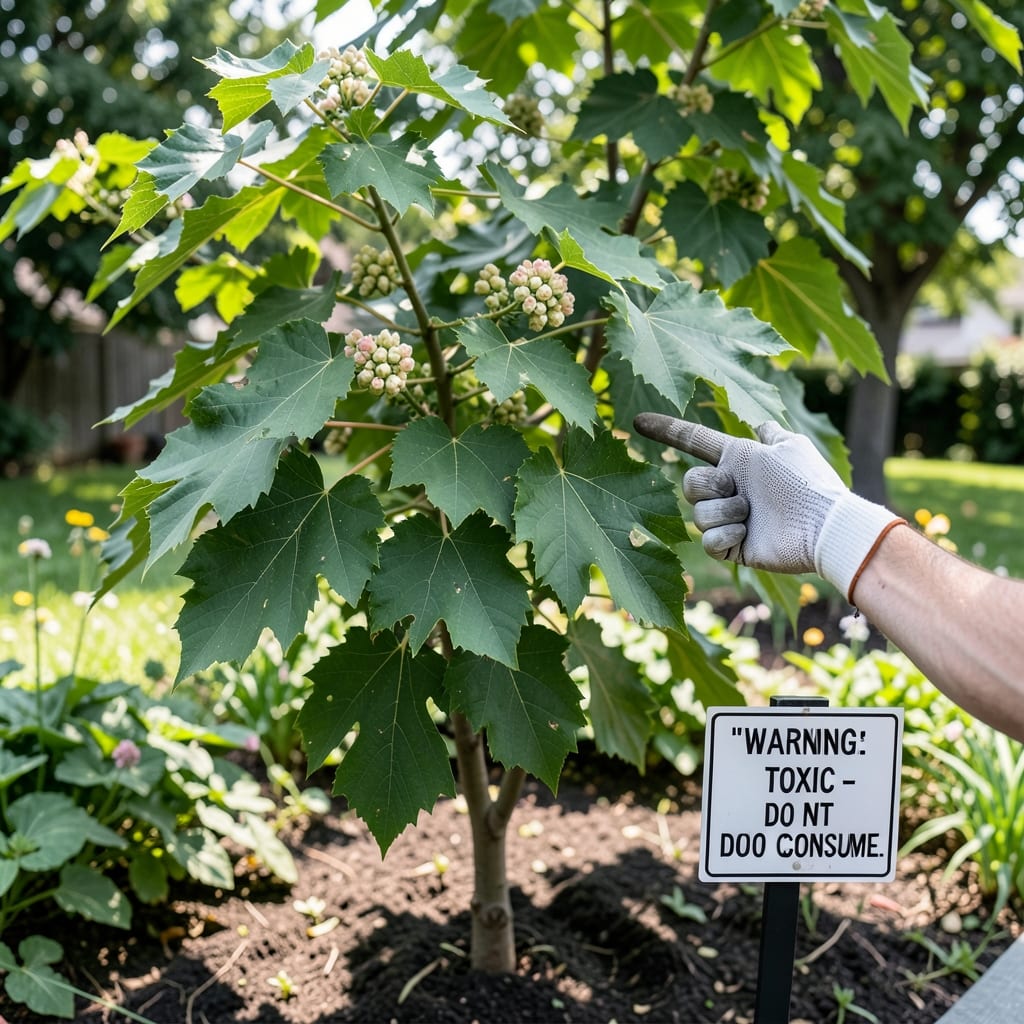
White mulberry leaves may cause low blood sugar, digestive upset, or allergic reactions in some individuals. Pregnant women, diabetics, and those on medication should use caution.
I’ve seen cases where the compounds in these leaves can interfere with blood sugar regulation, leading to unexpected dips. Digestive sensitivity often appears as mild nausea or discomfort, especially with first-time use. For those with known plant allergies, skin irritation or respiratory symptoms may develop, so patch testing is wise. 💫
💡 In This Article
The leaves contain 1-deoxynojirimycin (DNJ), a compound that inhibits alpha-glucosidase, an enzyme critical for breaking down carbohydrates into glucose. This mechanism slows sugar absorption in the intestines, which can lead to hypoglycemia if combined with diabetes medications like metformin or insulin. 🔥
For digestion, the high fiber content in white mulberry leaves may cause bloating or cramping in sensitive individuals, particularly when consumed in large quantities. The leaves also contain tannins, which can irritate the stomach lining, leading to nausea or mild diarrhea in some people. 💫
Allergic reactions, though rare, can occur due to the presence of plant-specific proteins that trigger immune responses. Symptoms often include itchy skin, hives, or even mild respiratory distress. Those with allergies to other Moraceae family plants (like figs or breadfruit) are at higher risk. ✨
In clinical studies, doses exceeding 3-6 grams per day of mulberry leaf extract have been linked to these side effects. The severity typically depends on individual metabolism and pre-existing health conditions, making professional guidance essential. 🌟
What’s often overlooked is how preparation methods affect potency. Fresh leaves contain higher concentrations of active compounds than dried or brewed versions, which can intensify both benefits and risks. Always start with small amounts to test tolerance. ⚡
Yes, it may lower blood sugar due to compounds like DNJ that slow carbohydrate absorption. This can be dangerous if combined with diabetes medications like insulin or metformin.
High fiber and tannins in the leaves may cause bloating, cramping, or nausea, especially in large amounts. Sensitive individuals might also experience mild diarrhea.
Pregnant women, diabetics, and those on blood sugar medications should avoid it. Also, people with Moraceae plant allergies (like figs) may react.
Discontinue use at least 2 weeks before surgery to prevent interference with anesthesia or recovery. Always inform your surgical team.