
Beautiful Plants For Your Interior
Beautiful Plants For Your Interior
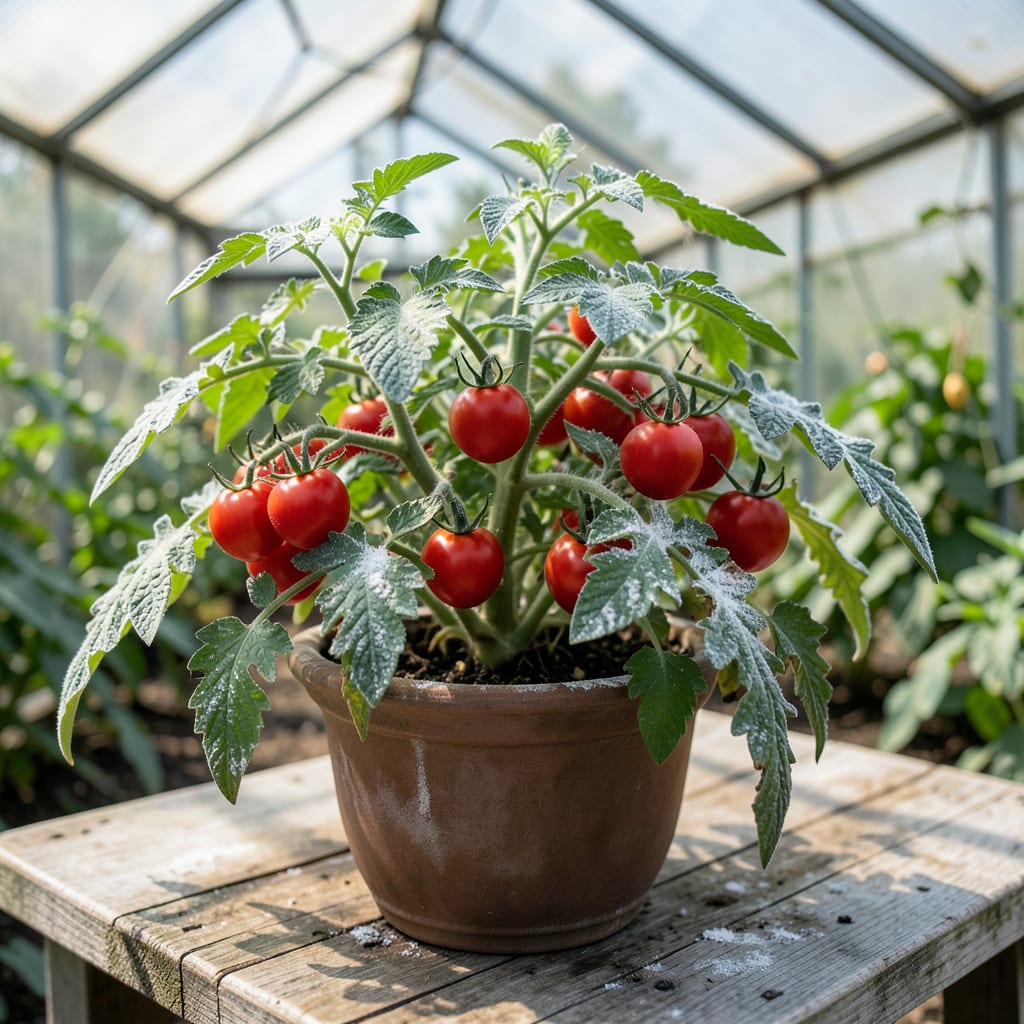
That white, cottony stuff on your tomato stems isn’t just ugly—it’s stealing your harvest. I lost an entire crop to white mold my first season, and the lesson still stings.
It starts with tiny spots on leaves, then spreads fast in cool, damp weather. The good news? You can stop it before it takes over. Airflow, spacing, and a few smart habits make all the difference.
Natural fixes like baking soda sprays and resistant varieties work surprisingly well. No fancy chemicals needed. Your plants can bounce back stronger than before.
Prevention is the real secret. A little attention now saves you a world of heartache later.
White mold, caused by the fungus Sclerotinia sclerotiorum, thrives under specific environmental and cultural conditions. Understanding these triggers is key to preventing outbreaks in your tomato plants.
The fungus flourishes in humid environments (70-90% relative humidity) with stagnant air. Dense plant spacing or overcrowded greenhouses restrict airflow, creating a microclimate where spores germinate and spread rapidly. Tomato canopies that stay wet for extended periods (e.g., from overhead irrigation or dew) are especially vulnerable.
S. sclerotiorum produces hard, black structures called sclerotia that survive in soil for years. These germinate when soil temperatures hover between 50–75°F (10–24°C) and moisture levels are high, often after heavy rain or excessive watering. Infected plant debris left in the soil also fuels new infections.
Some tomato cultivars lack genetic resistance to white mold. Indeterminate varieties with dense foliage are particularly at risk due to limited airflow. Heirloom or older hybrids may also be more vulnerable than modern disease-resistant breeds.
The fungus spreads via infected seeds, tools, or soil. Reusing pots, stakes, or pruning shears without sterilization can introduce spores to healthy plants. Similarly, compost or manure containing sclerotia can contaminate new planting sites.
Addressing these factors—through proper spacing, drip irrigation, crop rotation, and sanitization—can significantly reduce white mold risks.
White mold can be stubborn, but these targeted solutions will help you regain control of your tomato plants.
White mold thrives in damp, still conditions. Space plants at least 18–24 inches apart to allow airflow. Prune dense foliage, especially lower leaves touching the soil. Use stakes or cages to lift vines off the ground. For extra protection, water early in the day so leaves dry quickly.
At the first sign of white, cottony growth, prune affected leaves and stems immediately—even if it means sacrificing some fruit. Do not compost infected plant debris, as spores can survive. Seal it in a bag and discard it in the trash. Sterilize pruners with rubbing alcohol between cuts to avoid spreading the fungus.
Spray baking soda solution (1 tsp baking soda + 1 quart water + a few drops of dish soap) weekly as a preventive. For active infections, use neem oil or copper-based fungicides, following label instructions. Apply in the evening to prevent leaf burn.
💡 Pro Tip: Rotate treatments to prevent resistance.
If white mold was a problem last season, avoid planting tomatoes (or related crops like peppers or potatoes) in the same spot for at least 3 years. This breaks the fungus’s life cycle. Interplant with non-host crops like beans or corn to disrupt its spread.
Overhead watering wets foliage, creating a perfect environment for mold. Switch to drip irrigation or soaker hoses to keep leaves dry. If you must water from above, do it early in the morning so moisture evaporates by midday.
No, avoid consuming fruit from infected plants. The fungus can spread internally, and while not toxic, it affects quality. Harvest only from healthy, mold-free vines.
Under ideal conditions, white mold can spread rapidly—sometimes within 2-3 days. Warm, humid weather accelerates growth, so act fast at the first sign.
If more than 30% of the plant is affected, removal is best. This prevents spores from spreading to neighboring plants. Early cases may recover with treatment.
Organic mulch can help by reducing soil splashing onto leaves. However, avoid thick layers that trap moisture. Straw or wood chips work best.
