
Beautiful Plants For Your Interior
Beautiful Plants For Your Interior
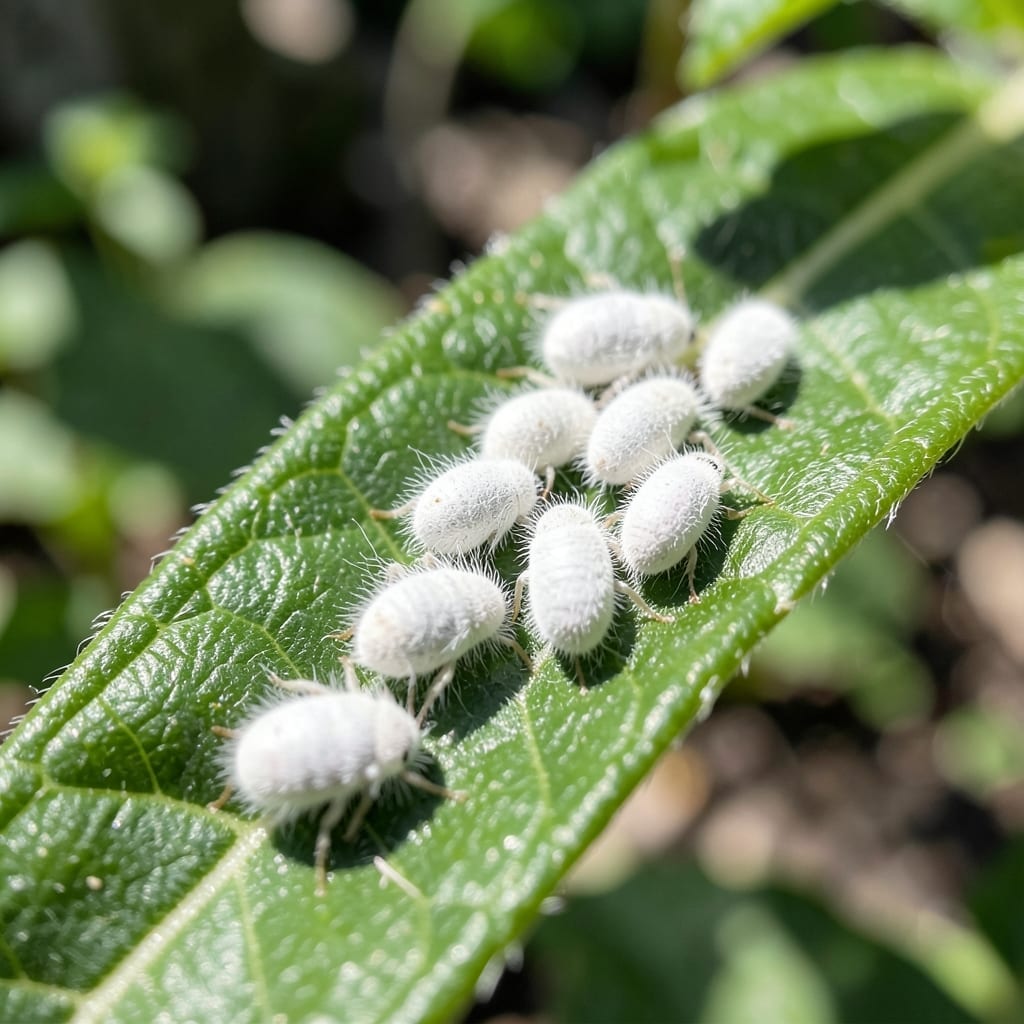
White fluffy spots on your plants aren’t just unsightly—they’re a growing problem. I’ve dealt with mealybugs wiping out entire collections before learning how to stop them early.
These pests spread fast, hiding in leaf joints and undersides while sucking plant juices. The key is catching them before they multiply: check new growth weekly and isolate suspect plants immediately.
Organic removal works surprisingly well. A simple alcohol spray or insecticidal soap takes care of light infestations, while neem oil prevents future outbreaks without harsh chemicals.
Long-term prevention means better airflow, less overwatering, and regular inspections. Your plants will thank you with healthier growth and fewer pest problems down the road.
White mealybugs thrive under specific conditions, often exploiting weaknesses in plant care or environmental factors. Understanding these triggers helps prevent outbreaks and protects your garden. Here’s why they appear:
Mealybugs flourish in temperatures between 70–90°F (21–32°C) with high humidity (60%+). These conditions accelerate their reproduction cycle, allowing females to lay 300–600 eggs in cottony sacs. Greenhouses or overwatered indoor plants are prime targets.
Weak or nutrient-deficient plants emit stress signals (e.g., reduced terpenes) that attract mealybugs. Overcrowding restricts airflow, creating a microclimate ideal for pests. Prune regularly and space plants to improve ventilation.
Mealybugs hitchhike on contaminated tools, pots, or soil. Reusing infected media or failing to quarantine new plants introduces pests. Always sterilize tools with 70% isopropyl alcohol and inspect new additions for white, waxy clusters.
In balanced ecosystems, ladybugs, lacewings, and parasitic wasps keep mealybug populations in check. Overuse of broad-spectrum pesticides kills these beneficial insects, leading to unchecked infestations. Opt for neem oil or insecticidal soaps to preserve predator populations.
Dealing with white mealybugs on your plants? Here’s how to tackle the issue head-on with practical, easy-to-follow solutions.
For small infestations, start by gently wiping the bugs off leaves and stems with a cotton swab or soft cloth dipped in soapy water. Focus on hidden areas like leaf axils and undersides where mealybugs love to hide. Dispose of the pests in a sealed bag to prevent reinfestation.
Mix 1 tablespoon of dish soap and 1 liter of water, then spray it directly on the bugs. For a stronger solution, add 1 tablespoon of neem oil or rubbing alcohol (70%) to the mix. Test on a small area first to avoid plant damage. Reapply every 3-4 days until the pests are gone.
For a long-term fix, release natural predators like ladybugs, lacewings, or parasitic wasps into your garden. These insects feed on mealybugs and help keep their populations in check. Best for outdoor plants or greenhouses!
With consistency, you can eliminate mealybugs and keep your plants thriving! ✨
Look for white, cottony clusters in leaf axils, stem joints, or undersides. Early signs include sticky residue (honeydew) or black sooty mold on leaves.
Yes, but dilute it first. Mix 1 part white vinegar with 3 parts water and spray directly on bugs. Avoid overuse as vinegar can harm some plants.
They often hide in soil or plant crevices. Quarantine new plants for 2-3 weeks and treat the soil with neem oil to break their life cycle.
No, they’re not dangerous to people or pets. They only damage plants by sucking sap and spreading disease.