
Beautiful Plants For Your Interior
Beautiful Plants For Your Interior
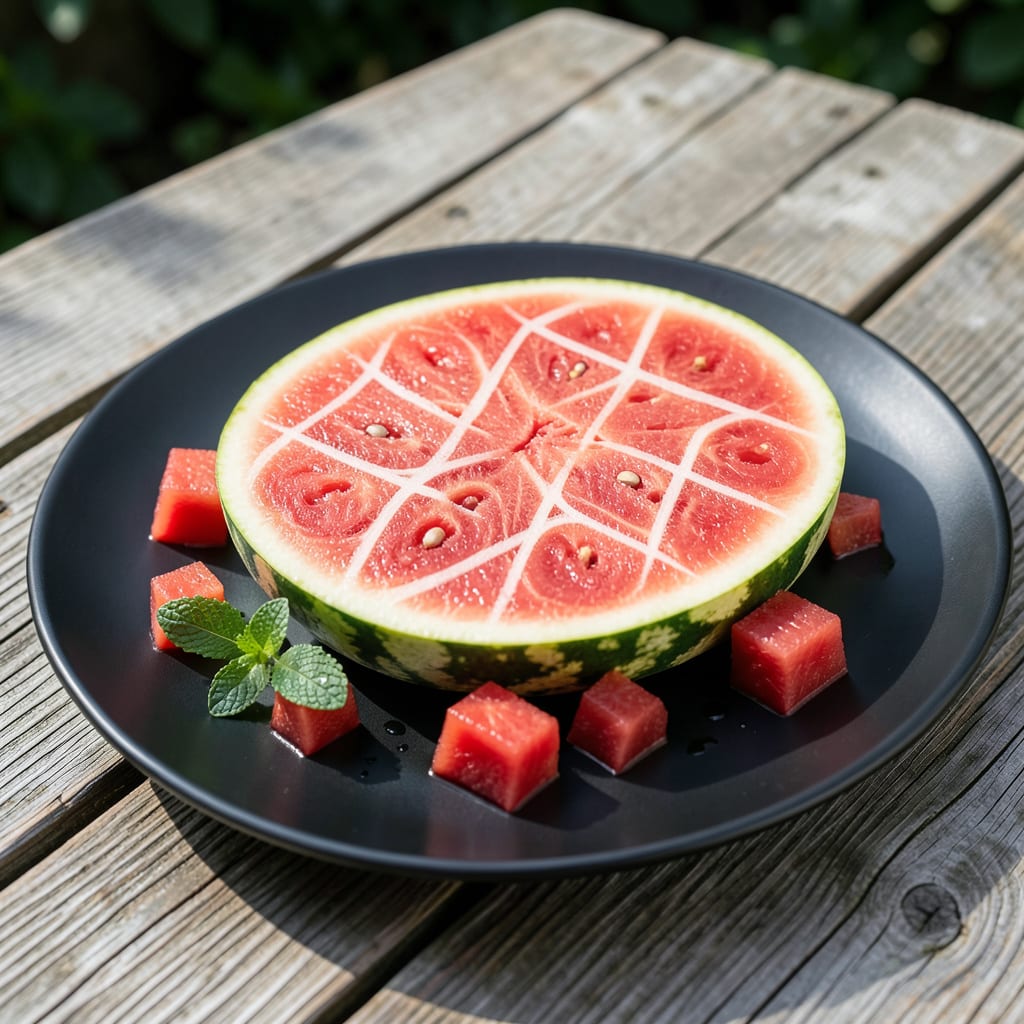
White lines in your watermelon can be alarming, but they’re usually a fixable sign. I’ve seen this in my own patch, and the good news is it’s rarely a death sentence for your crop.
Most often, it’s a nutrient imbalance—usually calcium or boron deficiency. Sometimes pests or diseases leave similar marks, but the patterns differ. The key is identifying which one you’re dealing with early.
With a few soil adjustments or targeted treatments, you can turn things around. I’ve saved melons mid-season by adjusting my feeding schedule and monitoring for pests more closely.
Prevention is simpler than you think: consistent watering, balanced fertilizer, and keeping an eye on leaf health. These small habits make all the difference in growing sweet, unblemished fruit.
The white lines, or “hollow heart,” in watermelons are primarily caused by environmental stressors and growth disruptions. Below are the most common scientific explanations:
Incomplete or poor pollination can lead to uneven fruit development, resulting in white, fibrous lines. Bees and other pollinators may not fully transfer pollen between flowers, causing certain sections of the watermelon to develop abnormally. This often happens in areas with low pollinator activity or during adverse weather conditions that limit bee movement.
Fluctuations in water supply—either drought or overwatering—can stress the plant and disrupt cellular growth. When watermelons experience inconsistent moisture levels, the fruit may develop hollow or white streaks as a survival response. Maintaining steady irrigation, especially during fruit set and expansion, helps prevent this issue.
Extreme temperature variations, particularly cold snaps during early fruit development, can interfere with normal cell division. Watermelons thrive in warm, stable climates (70–90°F). Sudden drops below 50°F or heat stress above 95°F may cause internal structural weaknesses, manifesting as white lines.
A deficiency in key nutrients like boron, calcium, or potassium can lead to poor fruit quality. Boron, for instance, is critical for cell wall formation. Without it, the fruit’s internal structure weakens, increasing the likelihood of hollow or discolored areas. Soil testing and balanced fertilization can mitigate this.
In rare cases, genetic predisposition in certain watermelon varieties may also contribute, but environmental factors are the primary culprits.
If you’ve spotted white lines or streaks in your watermelon, the fix depends on the root cause. Below are practical solutions for each scenario, plus tips to keep your crop healthy.
White lines often signal a lack of magnesium or calcium. To correct this:
💡 Prevention Tip: Rotate crops annually and add compost to maintain soil fertility.
White streaks may result from sap-sucking pests (like aphids) or fungal infections. Try these fixes:
🎯 Prevention Tip: Use row covers early in the season to block pests and plant resistant varieties like ‘Crimson Sweet’.
Heat or water stress can cause internal discoloration. Adjust care routines:
✨ Prevention Tip: Plant in well-draining soil and avoid over-fertilizing with nitrogen, which can exacerbate stress.
Yes, they’re completely safe to consume. The fruit remains edible, though the texture might be slightly firmer.
Test your soil before planting and add boron or calcium if needed. Consistent watering helps too.
Some types are more prone, but most can develop them under stress. Varieties like ‘Sugar Baby’ are less susceptible.
Often the taste stays the same, but severe cases may make the flesh less sweet. Proper care minimizes this.
