
Beautiful Plants For Your Interior
Beautiful Plants For Your Interior
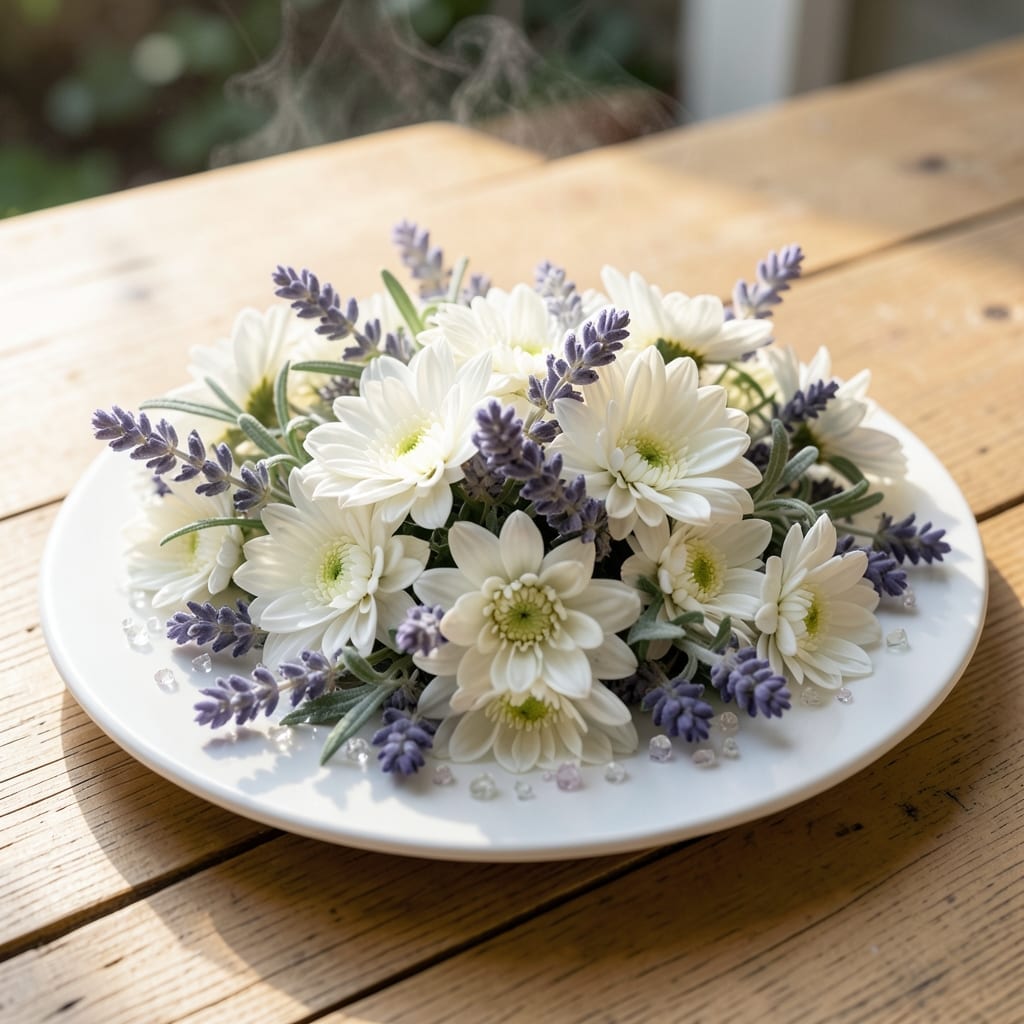
White and lavender plants can be your garden’s silent guardians. I’ve watched aphids flee at the scent of crushed lavender leaves, while white blooms attract the beneficial insects that keep pest populations in check.
This isn’t just pretty gardening—it’s strategic. The right placement of these plants creates a natural barrier that deters common invaders without harsh chemicals. My vegetable beds have never been healthier since I added this simple layer of defense.
You’ll notice fewer chewed leaves and more pollinators within 2-3 weeks of planting. The best part? These plants thrive with minimal care, looking as beautiful as they are functional.
Works for patios, raised beds, or borders around your home. Here’s how to make it work for your space.
Pests are drawn to homes for a variety of biological and environmental reasons. Understanding these root causes can help you target white & lavender pest control more effectively.
Many pests, like cockroaches and silverfish, thrive in damp environments. Leaky pipes, poor ventilation, or high humidity create ideal breeding grounds. These insects seek moisture to survive, making basements, bathrooms, and kitchens prime targets.
Unsealed food, crumbs, and even pet food left out overnight act as open invitations. Ants, rodents, and pantry pests follow scent trails to these sources, establishing colonies nearby. Proper storage and cleanliness disrupt their access.
Extreme outdoor temperatures drive pests indoors for stability. Spiders, mice, and beetles seek warm, undisturbed spaces like attics, wall voids, or cluttered storage areas. Sealing entry points and reducing clutter removes their hiding spots.
Termites and certain beetles are drawn to cellulose in wood, while aphids and mites target houseplants. Overwatered soil or untreated wood (e.g., decks, furniture) becomes a buffet. Botanical solutions like lavender can deter these pests naturally.
Pests invading your home can be a nuisance, but with the right botanical solutions, you can reclaim your space. Here’s how to tackle common issues using white and lavender-based methods, along with prevention tips to keep pests at bay.
Mix 10 drops of lavender essential oil with 1 cup of water in a spray bottle. Shake well and apply along entry points like windowsills, door frames, and cracks. Ants dislike the strong scent and will avoid treated areas. Prevention tip: Wipe down surfaces with a lavender-infused cloth weekly to deter future invaders.
Combine 1 cup of white vinegar, 1 cup of water, and 5 drops of lavender oil in a spray bottle. Spray directly on webs and corners where spiders linger. The acidity breaks down webs, while the lavender discourages spiders from returning. Prevention tip: Dust and vacuum regularly, and place lavender sachets in closets or under furniture.
Create a natural repellent by mixing 10 drops of lavender oil, 5 drops of lemon or eucalyptus oil, and 2 tablespoons of witch hazel in a small spray bottle. Apply to skin or clothing before heading outdoors. Prevention tip: Plant lavender in your garden or place potted lavender near entryways to repel mosquitoes naturally.
Fill a shallow dish with equal parts white vinegar and water, then add 10 drops of lavender oil. Place the dish near cockroach-prone areas. The scent attracts them, and the vinegar traps them. Prevention tip: Seal cracks and crevices, and store food in airtight containers to eliminate attractants.
💡 Pro Tip: Refresh your botanical solutions every 1-2 weeks to maintain their potency. Consistency is key to long-term pest control!
Refresh botanical sprays every 1-2 weeks for maximum effectiveness. The natural oils evaporate over time, reducing their potency against pests.
Yes! Crush fresh lavender leaves and place them in problem areas. However, essential oils are more concentrated and provide stronger, longer-lasting results.
When used as directed, lavender and white vinegar solutions are non-toxic. But always keep sprays out of reach of children and pets to prevent accidental ingestion.
Plant lavender around patios and entryways to repel mosquitoes and other insects naturally. The scent creates a protective barrier.